





























































































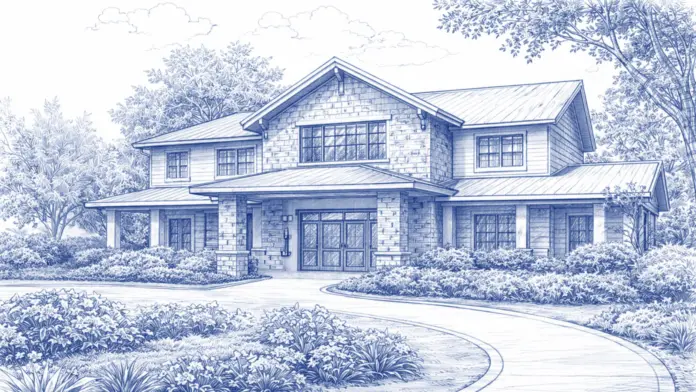
About Wellness Recovery Center of New Jersey
Wellness Recovery Center of New Jersey is a Joint Commission accredited addiction treatment facility in West Windsor Township offering detox and partial hospitalization, intensive outpatient and medication assisted treatment. The center specializes in treating opioid and alcohol addiction as well as dual diagnosis with co-occurring mental health disorders. Their approach integrates evidence based therapies like cognitive behavioral therapy with experiential modalities, family involvement and trauma informed care to support lasting recovery.
Opioid Addiction Treatment and MAT
Wellness Recovery Center provides specialized care for opioid addiction, including heroin and prescription painkiller dependence with medication assisted treatment using Suboxone and Vivitrol. Their programs combine medical support with therapeutic interventions across multiple levels of care, from medically supervised detox through structured outpatient services.
Treatment sessions incorporate cognitive behavioral therapy, experiential therapies like yoga and art therapy and trauma informed techniques to address the root causes of addiction. Clients work through cravings, triggers and behavioral patterns in a supportive environment designed to promote both physical stabilization and emotional healing.
Dual Diagnosis Care
The center offers dedicated dual diagnosis services for clients managing both addiction and mental health conditions such as depression, anxiety or trauma. Treatment includes specialized groups for trauma survivors and family support programs that help loved ones understand and navigate the recovery process together, ensuring comprehensive care that addresses all aspects of wellbeing.
Getting Started
Wellness Recovery Center serves clients in person at their West Windsor Township facility and offers telehealth services for remote support. The center is accredited by The Joint Commission, reflecting high standards of addiction care.
They accept most major insurance plans including Aetna, Cigna and Blue Cross Blue Shield as well as self pay with flexible payment plans and out of network benefits.
Latest Reviews



Rehab Score
 Our Methodology


Location
Accepted Insurance
Other Forms of Payment
Self-pay involves paying for treatment out of your own pocket. You can use savings or credit, get a personal loan, or receive help from family and friends to fund your treatment. If you don't have insurance or your insurance plan doesn't cover a specific program, self-pay can help ensure you still get the care you need.
Financing your treatment can make treatment more accessible. You'll work with your care provider to set up payment plans, including interest rates and repayment timelines. Financing options vary widely and not all programs offer them, so be sure to get the full details before enrolling in treatment. If you have insurance or other benefits, financing may help you cover your remaining out of pocket expenses.
Addiction Treatments
Levels of Care
A medical detox is the safest way to wean your body off addictive substances. When you become physically dependent on alcohol or drugs, quitting abruptly can cause a host of challenging and uncomfortable withdrawal symptoms. In medically assisted detox, a team of medical professionals will be on hand to monitor any symptoms, to provide medication if possible, and to help keep you as safe and as comfortable as possible throughout this process.
A partial hospitalization program (PHP) is a short-term, intensive outpatient option designed for those with moderate to severe addictions who don't require 24-hour care. PHP treatment is often fully covered by insurance and provides structured programming (i.e. individual and group therapy). A typical partial hospitalization program can meet 3-5 days a week for a minimum of 20 hours, offering intensive treatment during the day while allowing you to return home after. PHP treatment duration can vary based on your progress but averages 90 days.
Clients who are exiting inpatient rehab, those who are experiencing crisis, and those who prefer to live at home while in treatment typically enroll in intensive inpatient programs (IOP). These programs feature frequent and robust care, generally requiring clients to participate in at least nine hours of care weekly, though many intensive outpatient rehabs offer up to 20 treatment hours per week. IOP services typically combine individual, group, and family counseling with recovery education and holistic therapies.
Outpatient rehabs enable clients to receive a full continuum of care while continuing to live at home. They're often ideal for clients who are stepping down from inpatient care but some clients may prefer to transition into outpatient treatment immediately after completing detox. Many outpatient facilities also offer ambulatory medical detox for low-risk clients. Outpatient treatment generally includes psychotherapy and life skills training. Clients in opioid and/or alcohol recovery may also receive medication assisted treatment (MAT).
Telehealth is a real-time communication between you and your physician via telecommunications equipment. This might involve a video call, phone call, or medical app. It may also include the transmission of medical information via sharing technology.
Treatments
Alcoholism (alcohol use disorder) is diagnosed when a person's drinking causes harm or distress and they continue to drink anyway. Often, they have a physical as well as psychological dependence on the substance. To treat alcohol addiction, medical detox is often necessary to safely withdraw from alcohol. Once this is complete, alcohol rehab in New Jersey can provide skills and supports necessary for long-term recovery.
 Opioid Addiction
Drug rehab in New Jersey is the process of addressing the complex issues involved with addiction. Challenges are identified and addressed through individual and group counseling. Participants learn how to manage these issues without the use of substances.
You can find comprehensive substance abuse treatment in New Jersey in drug and alcohol rehabs. These treatment programs typically provide a full continuum of care including medically assisted detox, inpatient, outpatient, dual-diagnosis, and intensive outpatient. With a comprehensive substance abuse evaluation, addiction experts provide individualized treatment plans to meet your specific needs. These programs address substance use disorders using evidence-based therapies, like cognitive behavioral therapy (CBT) and dialectical behavioral therapy (DBT), individual and family counseling, and recovery support groups.
Mental health often overlooked, but it's a critical component of addiction treatment and recovery. Mental health disorders can significantly impact your quality of life, relationships, and ability to function on a daily basis. Mental health conditions - depression, anxiety, bipolar disorder - and addiction require specialized treatment just like any other physical illness. When people have a mental health disorder and an addiction simultaneously, dual diagnosis treatment is essential.
New Jersey has a variety of dual-diagnosis addiction treatment programs, including inpatient and outpatient drug and alcohol rehabs, that recognize the unique needs of individuals with co-occurring substance use disorders and mental health conditions. These programs typically employ evidence-based therapies such as cognitive-behavioral therapy (CBT), dialectical behavior therapy (DBT), trauma-focused therapy, and art therapy to successfully address co-occurring disorders and support sustained recovery.
Clinical Services
Cognitive behavioral therapy (CBT) in New Jersey typically follows a set structure of treatment. The therapist helps clients identify their life challenges and their thoughts surrounding those challenges. The client then learns to identify unhealthy thought patterns and reshape those into healthy patterns of thinking and behavior.
Family therapy sessions address addiction related conflicts and other issues between members of the family unit. By strengthening communication and coping skills, as well as creating a nurturing environment, the family can help support their loved one's recovery.
Trauma therapy provides a structure to approach healing from past traumatic events that you may have witnessed or experienced. Your therapist will work with you to identify and process these memories. This helps promote a sense of safety and stability and helps you heal emotionally.
Amenities
-
 Art Activities
Accreditations

The Joint Commission, formerly known as JCAHO, is a nonprofit organization that accredits rehab organizations and programs. Founded in 1951, the Joint Commision's mission is to improve the quality of patient care and demonstrating the quality of patient care.
Joint Commission Accreditation: Yes
Rehab.com regularly reviews this listing for accuracy but changes may occur between updates. For the most up-to-date information, please contact Wellness Recovery Center of New Jersey.
Contact Information


231 Clarksville Rd Suite 1, West Windsor Township, NJ 08550
Sponsored Helpline

