





























































































About Westcare Harris Springs Ranch
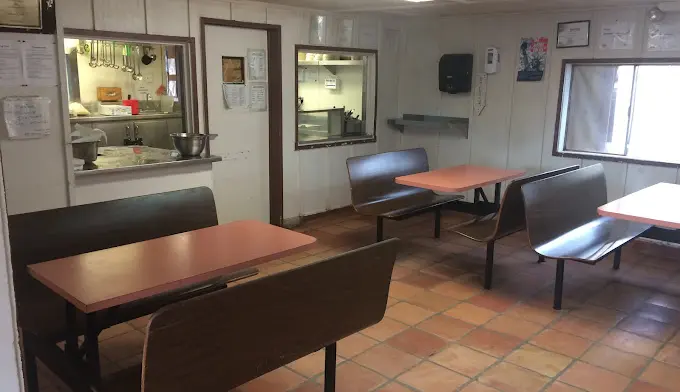
Westcare provides a range of health and human services within the state of Nevada. At their secluded Harris Springs Ranch location, you’ll find a residential substance abuse treatment center for men aged 18 and over. This is a dual diagnosis program that accommodates up to 56 men at a time for up to 90 days. This program takes place in a quiet ranch-style setting near the Spring Mountain National Recreation Area. Programming here is based on the therapeutic community concept.
Over 40 years Serving the Community
This is Westcare’s longest running program with over 40 years of helping people get sober. Based on your individual needs and progress, you’ll likely stay in this program for 90 days. In this residential setting, you’ll learn how to develop supportive peer relationships and engage in team work. They’ll teach you to engage in gender-responsive individual and group therapy sessions and sober activities that will help you build a life in recovery.
Westcare makes this program accessible by having a Nevada State Welfare Outreach Enroller onsite. If you don’t have insurance, the enroller will connect you with benefits the same day treatment services are requested.
Treatment for the Whole Person
In addition to having years of experience, I like that Westcare treats the whole person by including other services with addiction treatment. Counseling sessions may cover topics like accepting responsibility, developing self-esteem, relapse prevention, and healthy coping skills. Case managers can help connect you to housing support, HIV/AIDS care, and primary care services.
Most former clients of Westcare enjoyed their experience at Harris Springs Ranch. One resident said the staff is caring, knowledgeable, and helpful. They also said it’s a helpful place for people who are ready to change their lives and get sober.
Facility Overview
 56
56  61 - 90
 Latest Reviews



Rehab Score
 Our Methodology


Gallery

Accepted Insurance
Other Forms of Payment
Private insurance refers to any kind of healthcare coverage that isn't from the state or federal government. This includes individual and family plans offered by an employer or purchased from the Insurance Marketplace. Every plan will have different requirements and out of pocket costs so be sure to get the full details before you start treatment.
Self-pay involves paying for treatment out of your own pocket. You can use savings or credit, get a personal loan, or receive help from family and friends to fund your treatment. If you don't have insurance or your insurance plan doesn't cover a specific program, self-pay can help ensure you still get the care you need.
Medicaid is a state based program that helps lower-income individuals and families pay for healthcare. Medicaid covers addiction treatment so those enrolled can use their coverage to pay for rehab. When a program accepts Medicaid the client often pays very little or nothing out of their own pocket.
Medicare is a federal program that provides health insurance for those 65 and older. It also serves people under 65 with chronic and disabling health challenges. To use Medicare for addiction treatment you need to find a program that accepts Medicare and is in network with your plan. Out of pocket costs and preauthorization requirements vary, so always check with your provider.
Military members, veterans, and eligible dependents have access to specific insurance programs that help them get the care they need. TRICARE and VA insurance can help you access low cost or no cost addiction and mental health treatment. Programs that accept military insurance often have targeted treatment focused on the unique challenges military members, veterans, and their families face.
Private insurance refers to any kind of healthcare coverage that isn't from the state or federal government. This includes individual and family plans offered by an employer or purchased from the Insurance Marketplace. Every plan will have different requirements and out of pocket costs so be sure to get the full details before you start treatment.
Addiction Treatments
Levels of Care
Outpatient rehabs provide addiction treatment aligned with clients' unique schedule and evolving needs. Many programs offer evening, night, morning, and weekend services to accommodate clients who are working professionals or full-time caregivers. They also provide a full continuum of care, including psychotherapy, recovery-focused life skills training, and, for clients in alcohol and/or opioid recovery, medication assisted treatment (MAT).
Residential treatment programs are those that offer housing and meals in addition to substance abuse treatment. Rehab facilities that offer residential treatment allow patients to focus solely on recovery, in an environment totally separate from their lives. Some rehab centers specialize in short-term residential treatment (a few days to a week or two), while others solely provide treatment on a long-term basis (several weeks to months). Some offer both, and tailor treatment to the patient's individual requirements.
At certain points in the recovery process, it's important to have support available 24/7. 24-hour clinical care offers a safe environment in which to recover from drug or alcohol addiction in peace, knowing medical detox and other treatment will happen with professionals on hand.
12-step programs are addiction recovery models based on Alcoholics Anonymous (AA). A number of substance abuse programs (including some drug and alcohol rehab centers) use the 12 steps as a basis for treatment. Beginning steps involve admitting powerlessness over the addiction and creating a spiritual basis for recovery. Middle steps including making direct amends to those who've been hurt by the addiction, and the final step is to assist others in addiction recovery in the same way. 12-Step offshoots including Narcotics Anonymous (NA), Cocaine Anonymous (CA), Dual Recovery Anonymous (DRA), Sex and Love Addicts Anonymous (SLAA) and Gamblers Anonymous (GA).
Completing a drug or alcohol rehab program shouldn't spell the end of substance abuse treatment. Aftercare involves making a sustainable plan for recovery, including ongoing support. This can include sober living arrangements like halfway houses, career counseling, and setting a patient up with community programs like Alcoholics Anonymous (AA) or Narcotics Anonymous (NA).
Clients receiving addiction treatment in an intensive outpatient program (IOP) typically have completed inpatient rehab or have chosen to forgo hospitalization following detox. The high-level care provided by intensive outpatient rehabs is particularly suited to clients in early recovery, those in crisis, and those at an elevated relapse risk. Clients engage in nine to 20 hours of treatment per week on average. Common services include psychotherapy, recovery education, holistic therapies, and medication assisted treatment (MAT).
A partial hospitalization program (PHP) provides short-term, intensive rehab for individuals that require intensive care but don't require it 24/7. PHP treatment offers structured programming, often involving a combination of individual and group therapy sessions. Typically, a partial hospitalization program meets for an average of 90 days with sessions taking place 3-5 days a week for a minimum of 20 hours. While some PHP treatment provides on-site accommodation, others allow you to return home.
Treatments
The goal of treatment for alcoholism is abstinence. Those with poor social support, poor motivation, or psychiatric disorders tend to relapse within a few years of treatment. For these people, success is measured by longer periods of abstinence, reduced use of alcohol, better health, and improved social functioning. Recovery and Maintenance are usually based on 12 step programs and AA meetings.
When you enter drug rehab in Nevada, you receive professional assistance to remove drugs from your body and cease your body's need for the substance. You learn coping strategies and receive support to prevent relapse and enjoy long-term sobriety.
Many of those suffering from addiction also suffer from mental or emotional illnesses like schizophrenia, bipolar disorder, depression, or anxiety disorders. Rehab and other substance abuse facilities treating those with a dual diagnosis or co-occurring disorder administer psychiatric treatment to address the person's mental health issue in addition to drug and alcohol rehabilitation.
A combined mental health and substance abuse rehab has the staff and resources available to handle individuals with both mental health and substance abuse issues. It can be challenging to determine where a specific symptom stems from (a mental health issue or an issue related to substance abuse), so mental health and substance abuse professionals are helpful in detangling symptoms and keeping treatment on track.
Opioid rehabs specialize in supporting those recovering from opioid addiction. They treat those suffering from addiction to illegal opioids like heroin, as well as prescription drugs like oxycodone. These centers typically combine both physical as well as mental and emotional support to help stop addiction. Physical support often includes medical detox and subsequent medical support (including medication), and mental support includes in-depth therapy to address the underlying causes of addiction.
Specialized substance abuse treatment in Nevada can support individuals who need help for substance abuse. Care levels include outpatient, inpatient, and partial hospitalization programs. By incorporating evidence-based therapies such as cognitive-behavioral therapy (CBT), dialectical behavior therapy (DBT), counseling, clinicians can help you to get to the root cause of your addiction and equip you with the tools to maintain your recovery.
Programs
Adult rehab programs include therapies tailored to each client's specific needs, goals, and recovery progress. They are tailored to the specific challenges adult clients may face, including family and work pressures and commitments. From inpatient and residential treatment to various levels of outpatient services, there are many options available. Some facilities also help adults work through co-occurring conditions, like anxiety, that can accompany addiction.
Young adulthood can be an exciting, yet difficult, time of transition. Individuals in their late teens to mid-20s face unique stressors related to school, jobs, families, and social circles, which can lead to a rise in substance use. Rehab centers with dedicated young adult programs will include activities and amenities that cater to this age group, with an emphasis on specialized counseling, peer socialization, and ongoing aftercare.
Rehabs for women provide a safe, nurturing space for female clients to heal. These treatment programs consider the specific obstacles that women can face during recovery and place a special emphasis on mental, social, physical, and reproductive health. They explore how each woman's experience has shaped the trajectory of their substance use, addressing issues such as sexual abuse and past trauma.
Men face specific challenges and concerns when seeking addiction treatment. Gender-specific recovery programs help them tackle these issues head-on in an environment that's focused, targeted, and distraction-free. It also gives them the opportunity to connect with and learn from other men who have been through a similar journey and can offer support for the next step.
The postpartum period is a sensitive time, especially for women in addiction recovery. Rehabs with specialized programs for new mothers will offer compassionate, personalized care to meet each client's needs as they transition from pregnancy to this season of life. Care teams may include obstetricians, pediatricians, and social workers working collaboratively to give women, children, and families a healthy future.
Clinical Services
Substance abuse counselors may apply cognitive behavioral therapy in Nevada during individual, family, or group sessions. Using a goal oriented approach, the therapist will help participants change negative thinking and behavioral patterns to address substance use and related challenges.
Group therapy is any therapeutic work that happens in a group (not one-on-one). There are a number of different group therapy modalities, including support groups, experiential therapy, psycho-education, and more. Group therapy involves treatment as well as processing interaction between group members.
In individual therapy, a patient meets one-on-one with a trained psychologist or counselor. Therapy is a pivotal part of effective substance abuse treatment, as it often covers root causes of addiction, including challenges faced by the patient in their social, family, and work/school life.
Motivational Interviewing (MI) is a clinical approach to helping people with substance abuse issues and other conditions shift behavior in positive ways. It is more goal-oriented than traditional psychotherapy, as MI counselors directly attempt to get clients to consider making behavioral change (rather than wait for them to come to conclusions themselves). Its primary purpose is to resolve ambivalence and help clients become able to make healthy choices freely.
If you're experiencing substance use disorder, dialectical behavior therapy in Nevada can help you reduce cravings, learn healthier ways to manage stress, and avoid situations that can lead to substance abuse. Treatment includes one on one sessions with your therapist as well as group sessions to practice the skills you're learning.
Amenities
-
 Private Setting
 -
 Mountain Views
 -
 Private Transportation
 -
 Gym
Gym -
 Residential Setting
 -
 Private Rooms
 -
 Recreation Room
Staff & Accreditations
Staff

Richard Steinberg
President
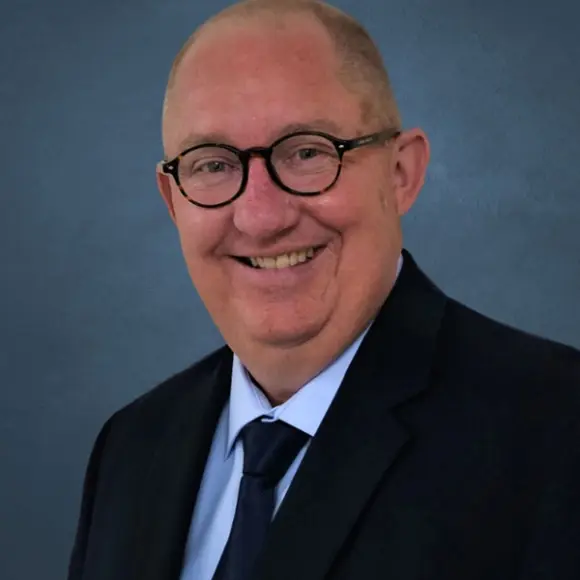
Ken Ortbals
CEO

Jason Engel
Chief Clinical Officer
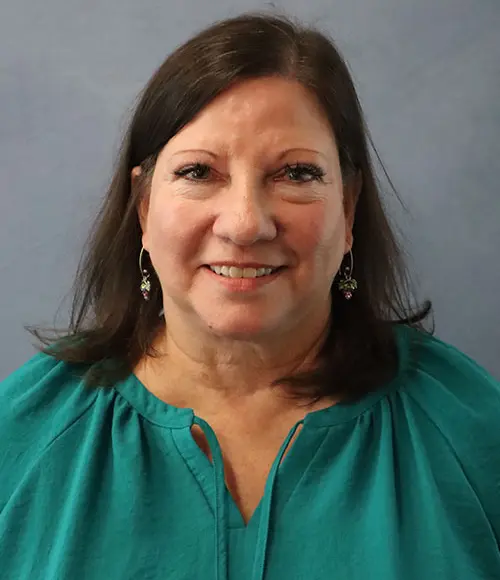
Linda Erath
CFO
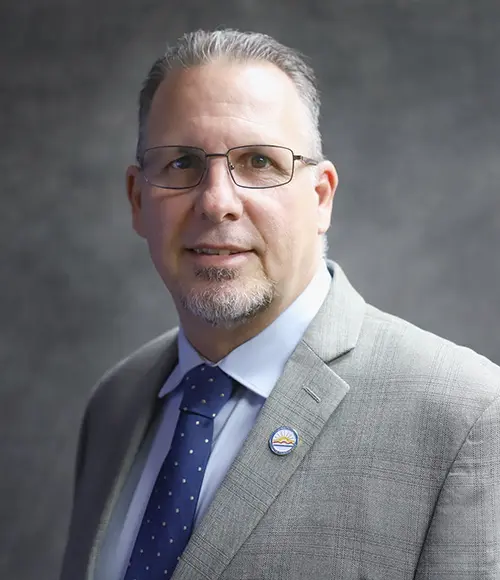
Shawn Jenkins
COO, Western Region
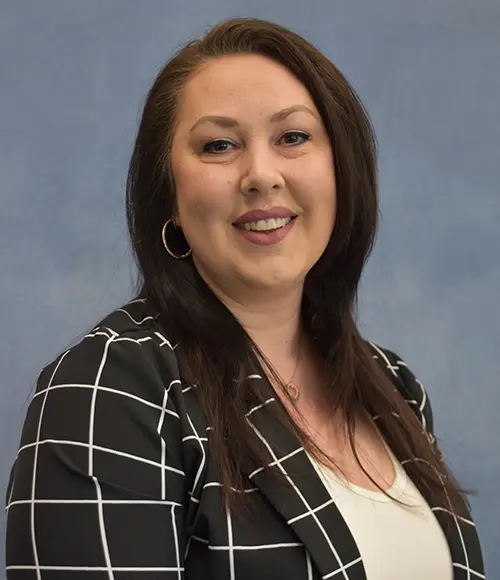
Savannah Jones
Chief Administrative Officer
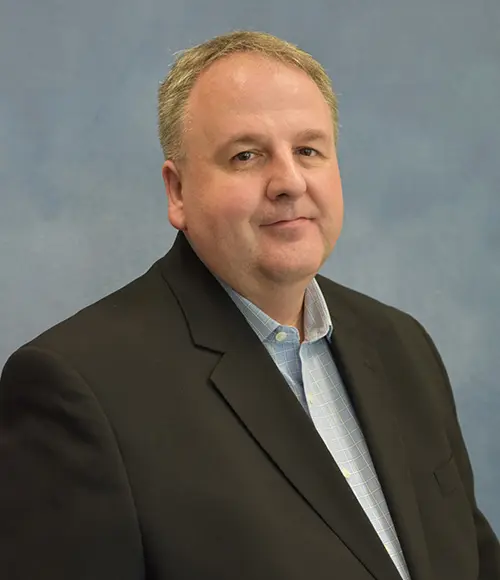
Dwayne Stevens
CIO

Eddie Thomas
Chief of Staff
Accreditations

The Commission on Accreditation of Rehabilitation Facilities (CARF) is a non-profit organization that specifically accredits rehab organizations. Founded in 1966, CARF's, mission is to help service providers like rehab facilities maintain high standards of care.
CARF Accreditation: Yes
Accreditation Number: 227962

The Substance Abuse and Mental Health Services Administration (SAMHSA) is a branch of the U.S. Department of Health and Human Services. Established in 1992 by congress, SAMHSA's mission is to reduce the impact of substance abuse and mental illness on American's communities.
SAMHSA Listed: Yes

State Licenses are permits issued by government agencies that allow rehab organizations to conduct business legally within a certain geographical area. Typically, the kind of program a rehab facility offers, along with its physical location, determines which licenses are required to operate legally.
State License: Nevada
Rehab.com regularly reviews this listing for accuracy but changes may occur between updates. For the most up-to-date information, please contact Westcare Harris Springs Ranch.
Contact Information


1200 Harris Springs Road
Las Vegas NV, 89124
Sponsored Helpline



