





























































































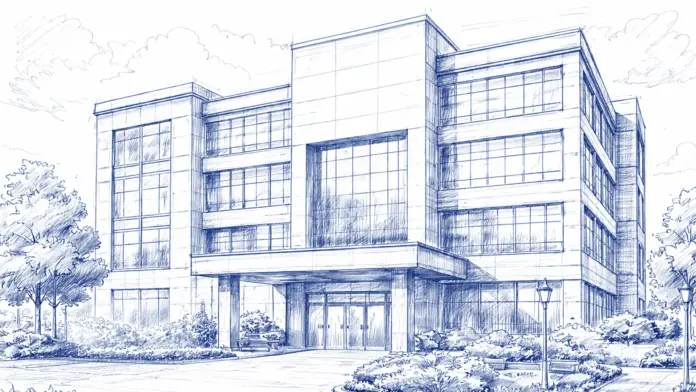
About A Dove’s Nest
A Dove’s Nest is a women’s residential addiction treatment program in Charlotte, North Carolina operated by Charlotte Rescue Mission. The program integrates faith based spiritual growth with practical life skills training and 12 step participation in addition to aftercare support to help women rebuild their lives in recovery.
Addiction Treatment Programs at A Dove’s Nest
The long term residential program is designed to address the root causes of addiction through daily structure, safety, and accountability. Charlotte Rescue Mission also operates Rebound which is a detoxification facility for clients who need medically supervised withdrawal management before entering the residential program.
The recovery program unfolds in structured phases that include client and group Christian counseling, Bible study, chapel services, and 12 step meetings. Women participate in work therapy and volunteer opportunities to build job skills and attend life skills classes covering parenting, anger management, financial literacy, and nutrition.
After completing the program graduates can access a Continuing Care Program to sustain their recovery and stay connected to the alumni community.
What to Know About A Dove’s Nest
- Level of care: Long term residential recovery with access to detox through the Rebound facility
- Who they treat: Adult women struggling with addiction.
- Approach: Christ centered and faith based program combining spiritual growth, 12 step recovery, life skills training, and work therapy
- Payment: Free of charge for women who qualify
- Aftercare: Continuing Care Program offers ongoing support and alumni connections after graduation
Latest Reviews



Rehab Score
 Our Methodology


Location
Accepted Insurance
Other Forms of Payment
Financial aid can take many forms. Centers may have grants or scholarships available to clients who meet eligibility requirements. Programs that receive SAMHSA grants may have financial aid available for those who need treatment as well. Grants and scholarships can help you pai for treatment without having to repay.
 Free
FreeAddiction Treatments
Levels of Care
Residential treatment programs are those that offer housing and meals in addition to substance abuse treatment. Rehab facilities that offer residential treatment allow patients to focus solely on recovery, in an environment totally separate from their lives. Some rehab centers specialize in short-term residential treatment (a few days to a week or two), while others solely provide treatment on a long-term basis (several weeks to months). Some offer both, and tailor treatment to the patient's individual requirements.
Rehab aftercare programs offer a complete continuum of care for clients in the maintenance phase of recovery and are predicated on the idea that addiction disease is a chronic condition prone to relapse and warranting continuing care. Clients collaborate with their care team and case manager to access the specific rehab aftercare services they need to promote their sustained sobriety. Peer coaching, relapse prevention services, career counseling, and 12 step program induction are common in these programs.
12 step programs are based on a model of life-long recovery and are rooted in peer support and spiritual development. Regular attendance at 12 step meetings is the cornerstone of treatment, as is the selection of a peer sponsor to guide participants through the steps of recovery. These steps are based on non-denominational spiritual principles and are designed to foster self-awareness, forgiveness, acceptance, and accountability. Specialized programs are widely available, including programs for teens, seniors, and families.
A sober living home in North Carolina offers structure and support to help individuals maintain sobriety. The home is free from substances and offers 12-step programs, individual responsibilities, and mutual support with others in recovery. This setting can provide a lifeline as individuals strengthen recovery skills and prepare to reenter mainstream society. Most residents remain in a men's or women's sober living home for six months or more.
Programs
Adult rehab programs include therapies tailored to each client's specific needs, goals, and recovery progress. They are tailored to the specific challenges adult clients may face, including family and work pressures and commitments. From inpatient and residential treatment to various levels of outpatient services, there are many options available. Some facilities also help adults work through co-occurring conditions, like anxiety, that can accompany addiction.
Young adulthood can be an exciting, yet difficult, time of transition. Individuals in their late teens to mid-20s face unique stressors related to school, jobs, families, and social circles, which can lead to a rise in substance use. Rehab centers with dedicated young adult programs will include activities and amenities that cater to this age group, with an emphasis on specialized counseling, peer socialization, and ongoing aftercare.
Clinical Services
Clients who receive cognitive behavioral therapy in North Carolina typically attend five to 20 sessions. During this time, they work with their therapist to learn healthier patterns of thinking, which can help them change their behavior related to substance use.
Men and women enjoy a supportive environment within group therapy sessions for drug and alcohol addiction treatment. You can share your experiences and build connections with your peers while receiving encouragement from individuals who have faced similar challenges.
You usually develop a strong bond with your therapist during individual therapy sessions. This helps you explore the underlying causes of your substance use in a safe and nonjudgmental environment. Therapists help you develop effective coping strategies you can use in the community and improve your self awareness so you understand your addiction triggers.
If you're struggling with insecurity about your ability to make changes in your life, motivational interviewing in North Carolina could be a good solution. This type of therapy offers support and empowerment to help you explore your options and decide how to move forward with positive changes.
Trauma therapy helps you reclaim your life after experiencing or witnessing a traumatic event. Therapists help to process these memories, which promotes emotional healing and reduces anxiety in social situations. This improves your overall well being and increases your self confidence.
Family therapy sessions address the emotional toll that addiction has had on the family unit and individual members. Therapists work with families to develop better coping strategies, which in turn create a stable environment for their loved one's recovery process.
Staff

Trina Fullard
President and Chief Executive Officer

Brian Bara
Chief Financial Officer

Sharon Sinclair
Chief Program Officer
Rehab.com regularly reviews this listing for accuracy but changes may occur between updates. For the most up-to-date information, please contact A Dove’s Nest.
Contact Information


2855 West Blvd
Charlotte, NC 28208
Sponsored Helpline

