





























































































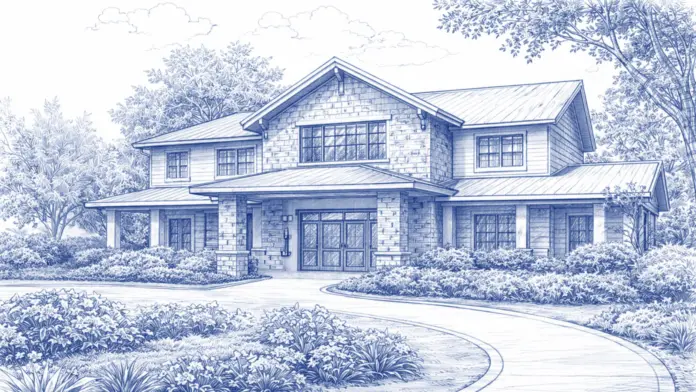


In this place, I found the refuge and comfort that I needed. I am delighted to have come here.
About Beth’s Blessing
Beth’s Blessing is a women’s only residential addiction treatment space in Tyner, Kentucky, affiliated with Addiction Recovery Care and accredited by CARF. The program integrates Christian focused care with traditional modalities for substance use disorders and co-occurring mental health conditions. Treatment includes individual counseling, group therapy and 12 Step support. Beth’s Blessing offers holistic, trauma informed services for women.
Women Only Residential Addiction Treatment
Beth’s Blessing provides residential treatment for women facing substance use disorders and dual diagnosis concerns. The program typically runs 30-60 days, blending faith based support, including chaplaincy and celebrate recovery meetings, with structured clinical care and trauma informed practices.
Treatment includes daily individual and group therapy, medical stabilization, assessment and 12 Step programs. Sessions address underlying trauma and mental health challenges while equipping clients with coping tools and relapse prevention strategies.
Vocational Training and Workforce Readiness
Beyond clinical treatment, Beth’s Blessing emphasizes job training and educational programs to prepare women to rebuild stability, confidence and independence as they transition back into daily life and the workforce.
Location and Payment Information
Beth’s Blessing serves women at its residential facility in Tyner, Kentucky, with private transportation available.
The program accepts Kentucky Medicaid, private insurance and self pay arrangements.
Latest Reviews
The ladies and Mr. Shannon literally saved my life .. you all hold a special place in my heart .. love u all🩵🩵🩵🩵🌹
Response from the owner3 weeks ago
Thank you for the kind words, Roseanna! We appreciate you trusting us with your treatment path!
Spent 31 days here . Love this place . The good Lord is there definitely ! We had lots of prayer , gospel music, recovery groups . I definitely recommend this place . Only issue I had was the phone safe list. I understand having but sometimes the one that you need and needs you and loves you to the end no matter what , you can't call if your not married . Besides that it's a wonderful place .. oh and u can't vape but I can smoke .. wonderful caring staff 🙏
The staff is awesome and

Rehab Score
 Our Methodology
Scoring is assigned by a proprietary system which helps surface key metrics that determine quality. The 10-point scale factors in categories such as operations, customer satisfaction, and trust metrics. Read Full Methodology

7.2 / 10
Location
Accepted Insurance
Other Forms of Payment
Private insurance refers to any kind of healthcare coverage that isn't from the state or federal government. This includes individual and family plans offered by an employer or purchased from the Insurance Marketplace. Every plan will have different requirements and out of pocket costs so be sure to get the full details before you start treatment.
Self-pay involves paying for treatment out of your own pocket. You can use savings or credit, get a personal loan, or receive help from family and friends to fund your treatment. If you don't have insurance or your insurance plan doesn't cover a specific program, self-pay can help ensure you still get the care you need.
Medicaid is a state based program that helps lower-income individuals and families pay for healthcare. Medicaid covers addiction treatment so those enrolled can use their coverage to pay for rehab. When a program accepts Medicaid the client often pays very little or nothing out of their own pocket.
Addiction Treatments
Levels of Care
Outpatient Programs (OP) are for those seeking mental rehab or drug rehab, but who also stay at home every night. The main difference between outpatient treatment (OP) and intensive outpatient treatment (IOP) lies in the amount of hours the patient spends at the facility. Most of the time an outpatient program is designed for someone who has completed an inpatient stay and is looking to continue their growth in recovery. Outpatient is not meant to be the starting point, it is commonly referred to as aftercare.
Residential treatment programs are those that offer housing and meals in addition to substance abuse treatment. Rehab facilities that offer residential treatment allow patients to focus solely on recovery, in an environment totally separate from their lives. Some rehab centers specialize in short-term residential treatment (a few days to a week or two), while others solely provide treatment on a long-term basis (several weeks to months). Some offer both, and tailor treatment to the patient's individual requirements.
12-step programs are addiction recovery models based on Alcoholics Anonymous (AA). A number of substance abuse programs (including some drug and alcohol rehab centers) use the 12 steps as a basis for treatment. Beginning steps involve admitting powerlessness over the addiction and creating a spiritual basis for recovery. Middle steps including making direct amends to those who've been hurt by the addiction, and the final step is to assist others in addiction recovery in the same way. 12-Step offshoots including Narcotics Anonymous (NA), Cocaine Anonymous (CA), Dual Recovery Anonymous (DRA), Sex and Love Addicts Anonymous (SLAA) and Gamblers Anonymous (GA).
A sober living home in Kentucky offers many benefits to those in recovery. These drug-free environments allow individuals to distance themselves from situations that would prompt triggers and lead to relapse. Men's and women's sober living also offers 12-step programs, counseling, job placement services, and long-term residence after treatment. During their stay, residents are required to abstain from alcohol and drug use, pay rent, and contribute to household responsibilities.
Treatments
The goal of treatment for alcoholism is abstinence. Those with poor social support, poor motivation, or psychiatric disorders tend to relapse within a few years of treatment. For these people, success is measured by longer periods of abstinence, reduced use of alcohol, better health, and improved social functioning. Recovery and Maintenance are usually based on 12 step programs and AA meetings.
Drug rehab in Kentucky often starts with detox, then includes inpatient or outpatient treatment, and continues with aftercare support. Specific methods used during each of these phases varies, but often include individual and group counseling, medication, and recreational therapies.
Substance rehabs focus on helping individuals recover from substance abuse, including alcohol and drug addiction (both illegal and prescription drugs). They often include the opportunity to engage in both individual as well as group therapy.
Programs
Adult rehab programs include therapies tailored to each client's specific needs, goals, and recovery progress. They are tailored to the specific challenges adult clients may face, including family and work pressures and commitments. From inpatient and residential treatment to various levels of outpatient services, there are many options available. Some facilities also help adults work through co-occurring conditions, like anxiety, that can accompany addiction.
Young adulthood can be an exciting, yet difficult, time of transition. Individuals in their late teens to mid-20s face unique stressors related to school, jobs, families, and social circles, which can lead to a rise in substance use. Rehab centers with dedicated young adult programs will include activities and amenities that cater to this age group, with an emphasis on specialized counseling, peer socialization, and ongoing aftercare.
Clinical Services
Men and women in Kentucky participating in group therapy learn to express their feelings and struggles with drug addiction in a non judgmental atmosphere. Your peers can offer you empathy and encouragement because they understand your journey to recovery. This fosters a sense of community and belonging that may extend far after group therapy sessions.
In individual therapy, a patient meets one-on-one with a trained psychologist or counselor. Therapy is a pivotal part of effective substance abuse treatment, as it often covers root causes of addiction, including challenges faced by the patient in their social, family, and work/school life.
Research clearly demonstrates that recovery is far more successful and sustainable when loved ones like family members participate in rehab and substance abuse treatment. Genetic factors may be at play when it comes to drug and alcohol addiction, as well as mental health issues. Family dynamics often play a critical role in addiction triggers, and if properly educated, family members can be a strong source of support when it comes to rehabilitation. They set aside every Saturday as family day. This is a time when the family and loved ones can come visit and attend counseling sessions with the patient (family counseling sessions must be scheduled ahead of time).
Practicing life skills while in recovery is beneficial to success post-treatment. When residents practice these skills, they are given the opportunity to work on employment skills, financial responsibility, time management, physical health, recreation, community service, communication, healthy diet, hygiene, household management, cooking and cleaning.
Holistic alcohol and drug addiction treatment centers use recreational therapy to help you find a constructive way to spend your time and manage your stress. Activities can include yoga, team sports, creative arts, and painting. These encourage social interaction, support your physical fitness, and improve your mood, all of which are crucial for maintaining a successful recovery.
Experiential therapy is a form of therapy in which clients are encouraged to surface and work through subconscious issues by engaging in real-time experiences. Experiential therapy departs from traditional talk therapy by involving the body, and having clients engage in activities, movements, and physical and emotional expression. This can involve role-play or using props (which can include other people). Experiential therapy can help people process trauma, memories, and emotion quickly, deeply, and in a lasting fashion, leading to substantial and impactful healing.
Amenities
-
 Private Transportation
 -
 Residential Setting
 -
 Hiking
 -
 Walking Trails
Staff & Accreditations
Staff
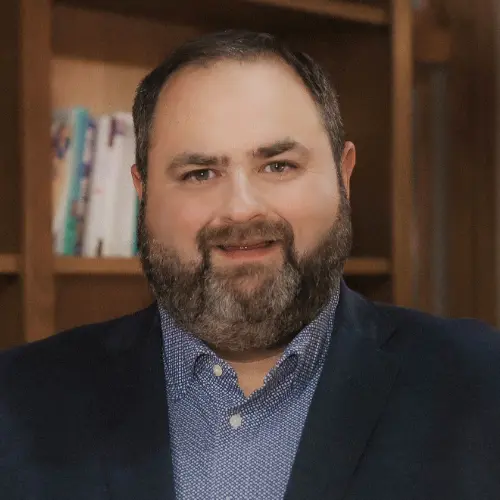
Tim Robinson
CEO
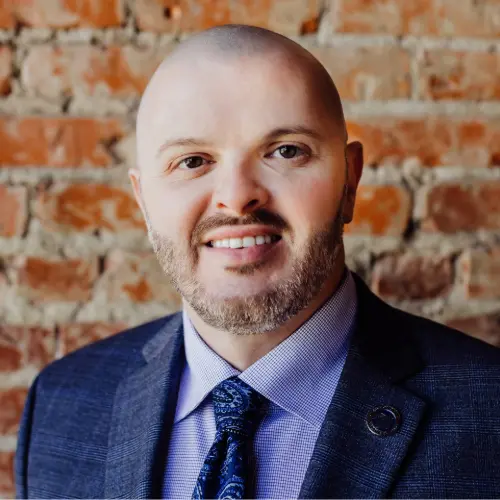
Matt Brown
President of ARC Healthcare & CAO
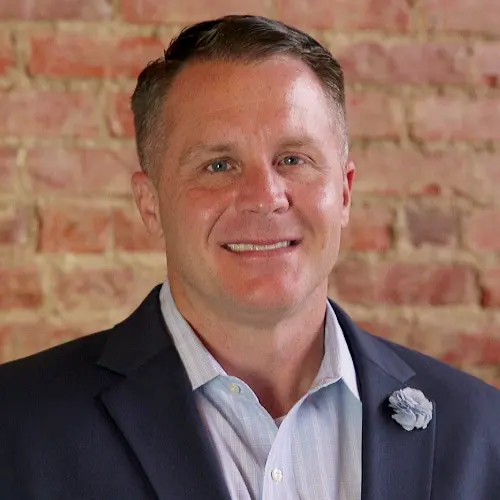
Pat Fogarty
COO
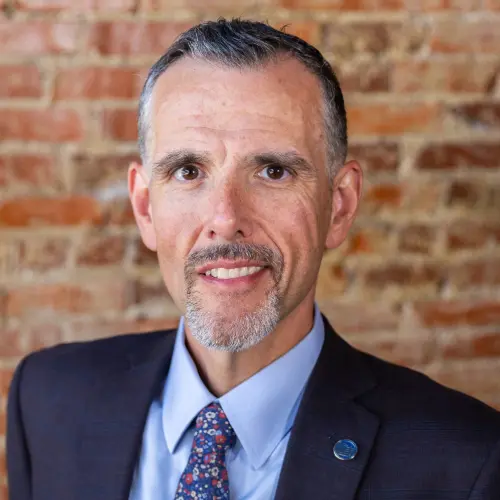
Lawrence Vinson
Chief Compliance & Quality Officer
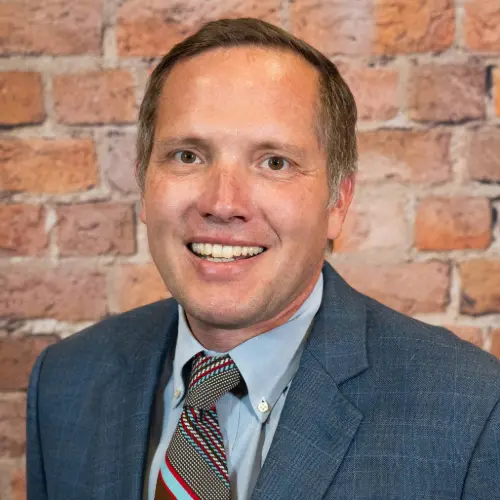
Geoff Marietta
Executive Vice President of Finance
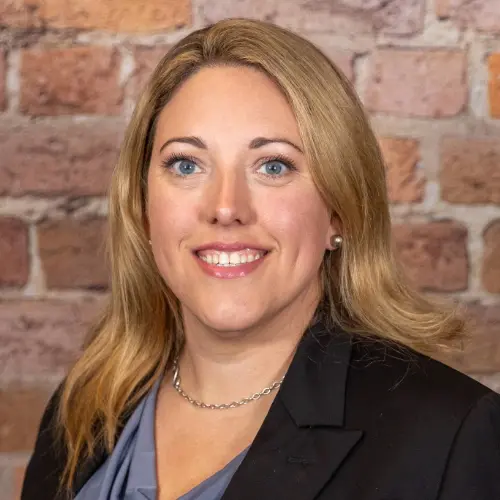
Jessica Burke
Chief Legal Officer

Kayla Parsons
Senior Vice President of Administration
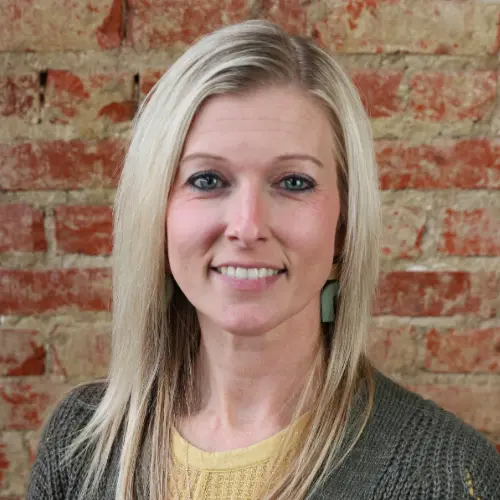
Paige Ross
Senior Vice President of Medical Operations
Accreditations

The Commission on Accreditation of Rehabilitation Facilities (CARF) is a non-profit organization that specifically accredits rehab organizations. Founded in 1966, CARF's, mission is to help service providers like rehab facilities maintain high standards of care.
CARF Accreditation: Yes
Accreditation Number: 274131

LegitScript has reviewed Beth’s Blessing as part of their certification program, and has determined that it meets the LegitScript standards for legality, safety and transparency.
LegitScript verified in

The National Association of Addiction Treatment Providers (NAATP) is a professional association that represents organizations in the field of addiction services. Founded in 1978, NAATP's mission is to advance addiction services and ensure that high-quality addiction treatment is available and accessible.
NAATP Member: Yes
Rehab.com regularly reviews this listing for accuracy but changes may occur between updates. For the most up-to-date information, please contact Beth’s Blessing.
Contact Information

13715 Highway 421 South
Tyner, KY 40486
Get Help Now - 859-592-2997
Sponsored Helpline
Sponsored Helpline


