





























































































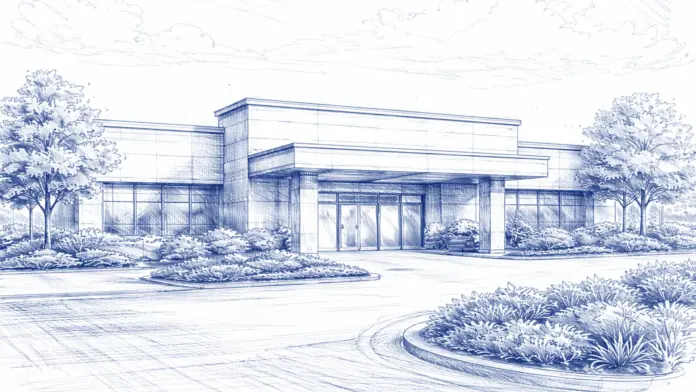


There is always new people coming here looking for soberity, it is a constant cycle. If you give them a chance, you might let the miracle happen within you, just like it happenend to me.
About Al An Club
Al An Club is a nonprofit outpatient addiction treatment center in Trenton, New Jersey. The organization serves individuals seeking recovery from alcohol and drug addiction. Its programs focus on 12 step based therapy and structured outpatient services designed to support long term sobriety.
I appreciate that Al An Club emphasizes community connection, peer support and flexible scheduling to make treatment accessible to people at different stages of recovery.
12 Step Outpatient Treatment in Trenton
Al An Club bases its approach on 12 step principles and outpatient care for adults and teens working through substance use disorders. The program highlights accountability, shared responsibility and mutual encouragement within a supportive group setting.
Outpatient services allow participants to continue managing work, school and family responsibilities while attending regular treatment sessions. These sessions address both the emotional and behavioral aspects of addiction. The 12 step model promotes personal growth, community involvement and ongoing peer relationships that help strengthen long term recovery.
Programs for Men and Women and Teens
Al An Club provides specialized programming for men, women and teens. These tracks are designed to meet age specific and gender related needs. Participants benefit from connecting with others who share similar experiences, challenges, and goals, which helps create a strong foundation for lasting change.
Al An Club offers community based outpatient addiction treatment. As a nonprofit organization, it remains committed to removing barriers to care. All services are provided at no cost, allowing individuals to focus on recovery without financial stress. Those interested in treatment are encouraged to contact Al An Club to learn more about available programs and take the first step toward long term sobriety.
Latest Reviews
It's a very good daily reporting program the staff is very nice and open-minded
Excellent facility, great staff. They are willing to work with you to help ensure your stable recovery.
Great facility. Great councilors and terrific groups three days a week

Rehab Score
 Our Methodology
Scoring is assigned by a proprietary system which helps surface key metrics that determine quality. The 10-point scale factors in categories such as operations, customer satisfaction, and trust metrics. Read Full Methodology

5.4 / 10
Location
Other Forms of Payment
 Free
FreeAddiction Treatments
Levels of Care
Outpatient Programs (OP) are for those seeking mental rehab or drug rehab, but who also stay at home every night. The main difference between outpatient treatment (OP) and intensive outpatient treatment (IOP) lies in the amount of hours the patient spends at the facility. Most of the time an outpatient program is designed for someone who has completed an inpatient stay and is looking to continue their growth in recovery. Outpatient is not meant to be the starting point, it is commonly referred to as aftercare.
12-step programs are addiction recovery models based on Alcoholics Anonymous (AA). A number of substance abuse programs (including some drug and alcohol rehab centers) use the 12 steps as a basis for treatment. Beginning steps involve admitting powerlessness over the addiction and creating a spiritual basis for recovery. Middle steps including making direct amends to those who've been hurt by the addiction, and the final step is to assist others in addiction recovery in the same way. 12-Step offshoots including Narcotics Anonymous (NA), Cocaine Anonymous (CA), Dual Recovery Anonymous (DRA), Sex and Love Addicts Anonymous (SLAA) and Gamblers Anonymous (GA).
Treatments
The goal of treatment for alcoholism is abstinence. Those with poor social support, poor motivation, or psychiatric disorders tend to relapse within a few years of treatment. For these people, success is measured by longer periods of abstinence, reduced use of alcohol, better health, and improved social functioning. Recovery and Maintenance are usually based on 12 step programs and AA meetings.
Drug rehab in New Jersey is the process of addressing the complex issues involved with addiction. Challenges are identified and addressed through individual and group counseling. Participants learn how to manage these issues without the use of substances.
Substance rehabs focus on helping individuals recover from substance abuse, including alcohol and drug addiction (both illegal and prescription drugs). They often include the opportunity to engage in both individual as well as group therapy.
Programs
Adult rehab programs include therapies tailored to each client's specific needs, goals, and recovery progress. They are tailored to the specific challenges adult clients may face, including family and work pressures and commitments. From inpatient and residential treatment to various levels of outpatient services, there are many options available. Some facilities also help adults work through co-occurring conditions, like anxiety, that can accompany addiction.
Young adulthood can be an exciting, yet difficult, time of transition. Individuals in their late teens to mid-20s face unique stressors related to school, jobs, families, and social circles, which can lead to a rise in substance use. Rehab centers with dedicated young adult programs will include activities and amenities that cater to this age group, with an emphasis on specialized counseling, peer socialization, and ongoing aftercare.
Clinical Services
Whether a marriage or other committed relationship, an intimate partnership is one of the most important aspects of a person's life. Drug and alcohol addiction affects both members of a couple in deep and meaningful ways, as does rehab and recovery. Couples therapy and other couples-focused treatment programs are significant parts of exploring triggers of addiction, as well as learning how to build healthy patterns to support ongoing sobriety.
Research clearly demonstrates that recovery is far more successful and sustainable when loved ones like family members participate in rehab and substance abuse treatment. Genetic factors may be at play when it comes to drug and alcohol addiction, as well as mental health issues. Family dynamics often play a critical role in addiction triggers, and if properly educated, family members can be a strong source of support when it comes to rehabilitation.
Group therapy is any therapeutic work that happens in a group (not one-on-one). There are a number of different group therapy modalities, including support groups, experiential therapy, psycho-education, and more. Group therapy involves treatment as well as processing interaction between group members.
Life skills trainings involve all the skills a person must have in order to function successfully in the world. These include time management, career guidance, money management, and effective communication. Truly successful addiction recovery is based on the ability to not only live substance-free, but to thrive. Life skills teaches the practical necessities of functioning in society, which sets clients up for success in life, and therefore sobriety.
Rehab.com regularly reviews this listing for accuracy but changes may occur between updates. For the most up-to-date information, please contact Al An Club.
Contact Information

761 Cass street
Trenton, NJ 08611
Get Help Now - 609-493-0698
Sponsored Helpline
Sponsored Helpline


