






























































































I don't know what the main issue was here, maybe they lacked organization, or they had poor customer service or was the fact that they were understaffed what affected them. What I know is that it was very annoying the slowness of their service. I always had to wait a long ti ...
About Associates in Professional Counseling
Associates in Professional Counseling in Naperville, Illinois is a place where you can receive outpatient support for substance use and mental health concerns in a calm and private setting. The team provides individual care that respects your experience while offering practical strategies to help you move forward. Their programs are structured but still flexible enough to allow you to keep your life going while you seek help.
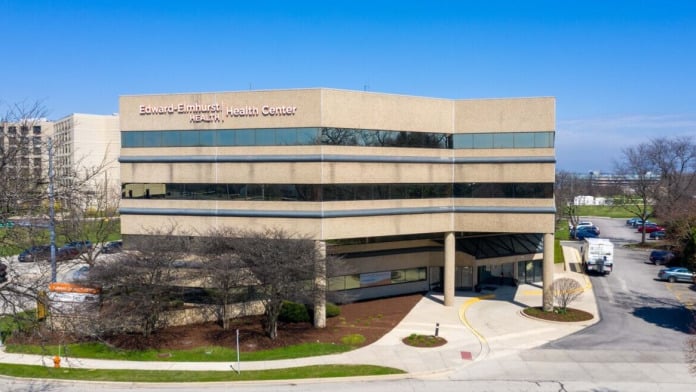
You can use major private insurance plans like Aetna, Blue Cross Blue Shield and Cigna or pay out of pocket if that works better for you. Services are facilitated in a quiet professional building with a confidential atmosphere. We really admire how they integrate mental health and substance use care in one place.
Some clients have experienced delays in communication but many speak highly of the support and care provided. Reaching out in advance can help you understand how their services align with your needs.
Personalized Outpatient Support
Their outpatient and intensive outpatient programs offer different levels of care depending on what you need. You’ll meet with compassionate professionals who can support your recovery while respecting your schedule and responsibilities. We like that treatment plans are individualized and designed to help you feel supported and heard.
Things to Do After Your Appointment
You might find comfort in walking the Naperville Riverwalk or relaxing in the open spaces at Morton Arboretum. If you have a child then the DuPage Children’s Museum offers something engaging for younger loved ones. Centennial Beach is another nearby option where you can unwind and reflect on your progress.
Special Populations and Services
This facility offers care for adults, young adults, and children with specialized support for both men and women. If you’re looking for care that includes both individual therapy and family sessions then you’ll find it here. What makes this place feel special is the added expertise of therapists trained in areas like grief, addiction and crisis response.

Rehab Score
 Our Methodology
Scoring is assigned by a proprietary system which helps surface key metrics that determine quality. The 10-point scale factors in categories such as operations, customer satisfaction, and trust metrics. Read Full Methodology

2.8 / 10
Gallery
Accepted Insurance
Other Forms of Payment
Private insurance refers to any kind of healthcare coverage that isn't from the state or federal government. This includes individual and family plans offered by an employer or purchased from the Insurance Marketplace. Every plan will have different requirements and out of pocket costs so be sure to get the full details before you start treatment.
Self-pay involves paying for treatment out of your own pocket. You can use savings or credit, get a personal loan, or receive help from family and friends to fund your treatment. If you don't have insurance or your insurance plan doesn't cover a specific program, self-pay can help ensure you still get the care you need.
Addiction Treatments
Levels of Care
Outpatient Programs (OP) are for those seeking mental rehab or drug rehab, but who also stay at home every night. The main difference between outpatient treatment (OP) and intensive outpatient treatment (IOP) lies in the amount of hours the patient spends at the facility. Most of the time an outpatient program is designed for someone who has completed an inpatient stay and is looking to continue their growth in recovery. Outpatient is not meant to be the starting point, it is commonly referred to as aftercare.
Intensive Outpatient Programs (IOP) are for those who want or need a very structured treatment program but who also wish to live at home and continue with certain responsibilities (such as work or school). IOP substance abuse treatment programs vary in duration and intensity, and certain outpatient rehab centers will offer individualized treatment programs.
Treatments
The goal of treatment for alcoholism is abstinence. Those with poor social support, poor motivation, or psychiatric disorders tend to relapse within a few years of treatment. For these people, success is measured by longer periods of abstinence, reduced use of alcohol, better health, and improved social functioning. Recovery and Maintenance are usually based on 12 step programs and AA meetings.
Drug rehab in Illinois is designed to help people recover from addiction to a number of substances. The length of each program and its intensity tend to vary, and the plan of care is based on your individual needs.
Opioid rehabs specialize in supporting those recovering from opioid addiction. They treat those suffering from addiction to illegal opioids like heroin, as well as prescription drugs like oxycodone. These centers typically combine both physical as well as mental and emotional support to help stop addiction. Physical support often includes medical detox and subsequent medical support (including medication), and mental support includes in-depth therapy to address the underlying causes of addiction.
Substance rehabs focus on helping individuals recover from substance abuse, including alcohol and drug addiction (both illegal and prescription drugs). They often include the opportunity to engage in both individual as well as group therapy.
Programs
Adult rehab programs include therapies tailored to each client's specific needs, goals, and recovery progress. They are tailored to the specific challenges adult clients may face, including family and work pressures and commitments. From inpatient and residential treatment to various levels of outpatient services, there are many options available. Some facilities also help adults work through co-occurring conditions, like anxiety, that can accompany addiction.
Young adulthood can be an exciting, yet difficult, time of transition. Individuals in their late teens to mid-20s face unique stressors related to school, jobs, families, and social circles, which can lead to a rise in substance use. Rehab centers with dedicated young adult programs will include activities and amenities that cater to this age group, with an emphasis on specialized counseling, peer socialization, and ongoing aftercare.
Clinical Services
Group therapy is any therapeutic work that happens in a group (not one-on-one). There are a number of different group therapy modalities, including support groups, experiential therapy, psycho-education, and more. Group therapy involves treatment as well as processing interaction between group members.
Staff
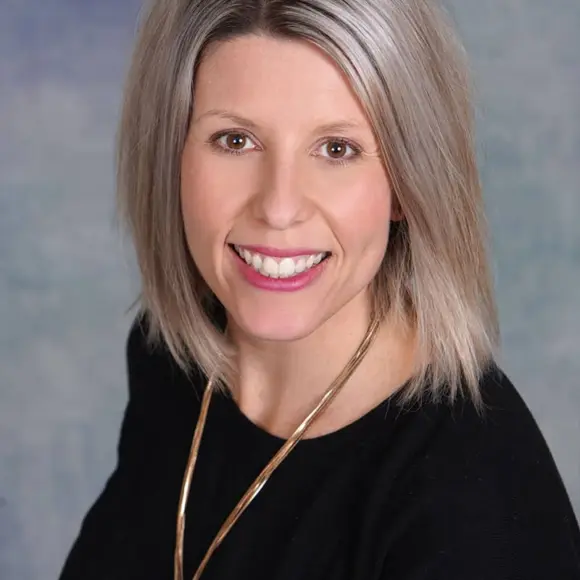
Whitney McDaniel, MA, LCPC
Counselor

Hobert R. (Rod) Ogilvie, MA, LCPC
Counselor

Mark McIntyre, MA, LCPC, CAMF
Counselor
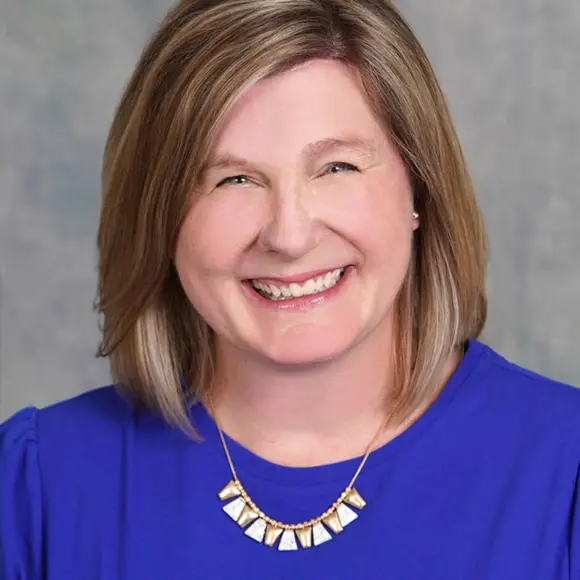
Laura Wirtz, MSW, LCSW
Counselor
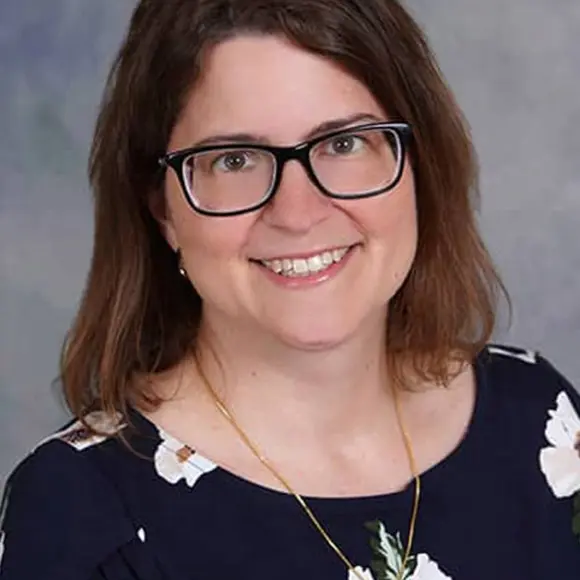
Angela M. Gervacio, MS, LCPC
Counselor

Melissa Michels, MSW, LCSW
Counselor
Rehab.com regularly reviews this listing for accuracy but changes may occur between updates. For the most up-to-date information, please contact Associates in Professional Counseling.
Contact Information

1804 North Naper Boulevard
Suite 370
Naperville, IL 60563
Get Help Now - 708-470-6914
Sponsored Helpline
Sponsored Helpline

