All In Solutions Wellness Center
1
Top 10 Rehab Centers In West Palm Beach




















































































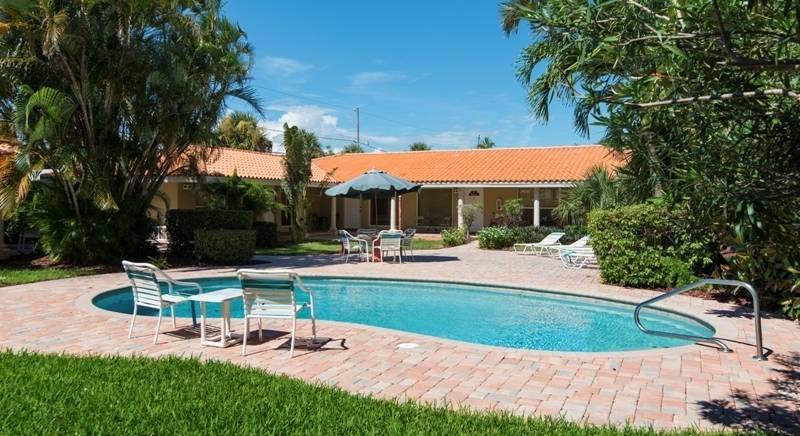
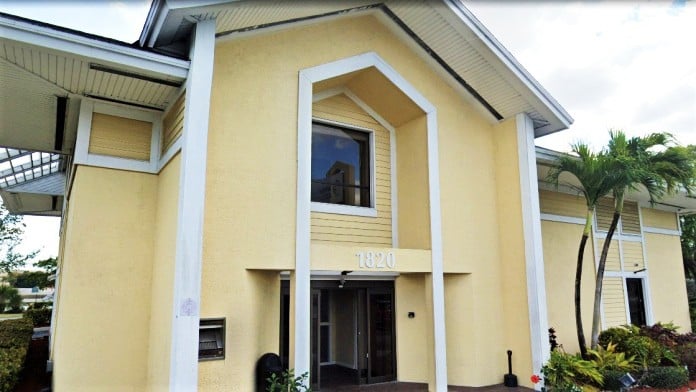
Atlantic Treatment Center is an outpatient drug and alcohol rehab in Pompano Beach, Florida, supporting adults working to overcome substance use disorders, including opioid addiction.
The program emphasizes flexible, community based care that allows clients to live at home while receiving structured treatment, medication assisted recovery and counseling support.
Treatment at Atlantic Treatment Center begins with an assessment to determine the right level of outpatient care.
The facility offers outpatient treatment and outpatient methadone detoxification, with a focus on long-term stabilization and recovery from opioid use disorder.
Clients can expect medication assisted treatment (MAT) options that may include methadone and buprenorphine, paired with counseling provided by clinical and nursing staff.
The center also offers a specialty track for new mothers navigating postpartum challenges and childcare considerations alongside their recovery.
Getting started at Atlantic Treatment Center in Pompano Beach, Florida begins with a simple intake conversation and assessment to determine eligibility for outpatient services and MAT.
The admissions team can walk through program details, verify insurance benefits and explain available payment options.

 Our Methodology


Medicaid is a state based program that helps lower-income individuals and families pay for healthcare. Medicaid covers addiction treatment so those enrolled can use their coverage to pay for rehab. When a program accepts Medicaid the client often pays very little or nothing out of their own pocket.
Medicare is a federal program that provides health insurance for those 65 and older. It also serves people under 65 with chronic and disabling health challenges. To use Medicare for addiction treatment you need to find a program that accepts Medicare and is in network with your plan. Out of pocket costs and preauthorization requirements vary, so always check with your provider.
Private insurance refers to any kind of healthcare coverage that isn't from the state or federal government. This includes individual and family plans offered by an employer or purchased from the Insurance Marketplace. Every plan will have different requirements and out of pocket costs so be sure to get the full details before you start treatment.
Self-pay involves paying for treatment out of your own pocket. You can use savings or credit, get a personal loan, or receive help from family and friends to fund your treatment. If you don't have insurance or your insurance plan doesn't cover a specific program, self-pay can help ensure you still get the care you need.
Outpatient rehabs encompass multiple levels of care to facilitate clients' progress through their recovery journey. Clients who are stepping down from inpatient treatment may require intensive outpatient (IOP) treatment, which involves more frequent and substantive therapeutic interventions than does standard outpatient care. Outpatient centers typically provide extensive addiction counseling, including individual, group, and family therapy. Medication assisted treatment programs (MAT) and recovery-focused life skills training are also common in outpatient care.
 Opioid Addiction
The postpartum period is a sensitive time, especially for women in addiction recovery. Rehabs with specialized programs for new mothers will offer compassionate, personalized care to meet each client's needs as they transition from pregnancy to this season of life. Care teams may include obstetricians, pediatricians, and social workers working collaboratively to give women, children, and families a healthy future.
Individual therapy often includes Cognitive Behavioral Therapy. This is a structured approach to identifying and changing negative thought patterns. During therapy you learn how what you think drives your actions so you can develop healthier coping strategies to manage addiction triggers and reduce drug use.

The Commission on Accreditation of Rehabilitation Facilities (CARF) is a non-profit organization that specifically accredits rehab organizations. Founded in 1966, CARF's, mission is to help service providers like rehab facilities maintain high standards of care.
CARF Accreditation: Yes

The Substance Abuse and Mental Health Services Administration (SAMHSA) is a branch of the U.S. Department of Health and Human Services. Established in 1992 by congress, SAMHSA's mission is to reduce the impact of substance abuse and mental illness on American's communities.
SAMHSA Listed: Yes
Rehab.com regularly reviews this listing for accuracy but changes may occur between updates. For the most up-to-date information, please contact Atlantic Treatment Center.

380 SW 12th Ave Suite 2, Pompano Beach, FL 33069
Sponsored Helpline

This is the best clinic in a three counties, it's not all about making money, they actual help you any way they can, they go beyond above their duty, try them out, you'll be surprised, kind, compationate, careing all that and more, they even had tuition help, two weeks free. Who does that, lots of time coffeand donuts free or included in treatment, got to have coffee with dose, I could go on and on, the list never ends

This clinic saved my life. I started with them in a Miami office-where after 17 years old trying to quit opiates-methadone was my last resort. They do start you off on a low mg (standard for state of FL) then raise the dose daily so if you’re a heavy fentanyl user it may take a few days to feel 100%, but it is a lot easier than struggling for 3 days in detox waiting for the fentanyl to leave your system to be able to take the buprenorphine (precipitated withdrawals). For a long time I tried to stop and stay off any maintenance medication, because people have stigmatized it saying “you’re switching one substance for another, what’s the point” the point is that there are 1 million and 1 ways to get clean, what works for me may not work for you. I have been successful going on year 4 thanks to this Clinic. Once my urine started coming out clean I quickly progressed to showing up once a month. If you have tried everything else and cannot stay clean, visit this clinic. They have more options than one for MAT to fit your needs. Whenever I had an issue or had to travel-getting a hold of the Director was always easy. They will also help you find an insurance that covers it so you don’t have to come out of pocket, but comparing it to spending $100/day the cost of the medication doesn’t even compare. They go above and beyond to help. They saved my life. Also, remove the stigma of MAT-my life is manageable now and the only side effect I experienced was success.

I want to say after being in the grips of a horrid addiction for 15+years, I debated on whether getting back on Maintenance treatment with methadone, due to the stigma and rumors. However, after trying countless times to quit “without anything” and repeatedly failing, when I made the decision to take the step to start treatment, I accepted that saving my life by any means necessary was no question the best option. 3 years later, I’m a 37 year old, financially secure, healthy, productive member of society and my family*. I’m accountable to everyone and everything and my life is no longer unmanageable. I’ve tried and had success with Buprenorphine in the past, but when I relapsed in 2019, Fentanyl was the new street opioid and 100 times harder to quit than Heroin. One has to abstain from Fentanyl at least 3 days before taking it, whereas with methadone you don’t have to wait. The owner and staff/nurses/counselors are professionals and there to help. There has never been an instant or emergency that they could not help me with. I’m grateful for sticking through the first difficult days of my body and mind transitioning into sobriety. If you are thinking about it and don’t have the luxury of going to detox, do it. Save your life. Since then I’ve cleared HCV and gotten healthy physically. Thank you ATC and GGTC - SS

Let me tell you this. If you are in a struggle with addiction this is the beat place possible to have not only your freedom back but the people here treat you like a human being. And the nurse there is like your best friend ever she's amazing and will listen to you.. stan the intake man is by far the best human being I have ever encountered. He took amazing care of me and my husband as well as looking out for my son at age 4 he was able to comfort him as well as us. I strongly recommend Atlantic treatment center.... God bless
 Back
Back
Sharing your insights and experiences can help others learn more about this rehab center.