





























































































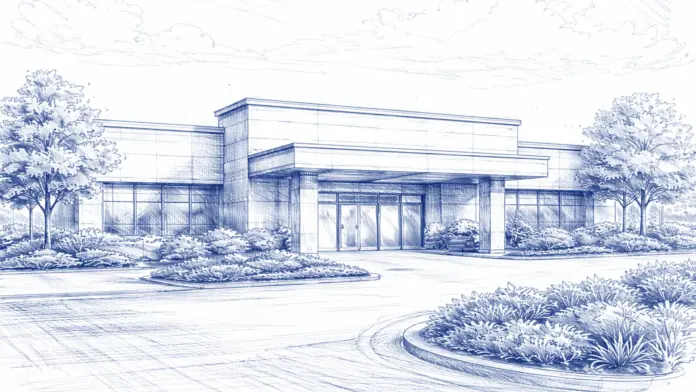
About CADA Prevention & Recovery Center
CADA Prevention and Recovery Center is a nonprofit addiction treatment provider in New Orleans, Louisiana offering substance use treatment, mental health counseling and recovery support services.
CADA serves adults and adolescents through Intensive Outpatient and outpatient programs, court ordered assessments and education classes.
The center takes a person centered, holistic approach that addresses cooccurring mental health disorders, trauma and community reintegration with evidence-based therapies and wraparound case management.
Trauma Informed Addiction Treatment Programs
Treatment typically begins with a comprehensive substance abuse assessment, which can be court ordered or voluntary, followed by individualized recommendations for the appropriate level of care.
Outpatient services include specialized tracks for cooccurring disorders and trauma, reentry support for individuals recently released from incarceration, services for adults at risk for or living with HIV or AIDS and homelessness support.
CADA uses evidence-based approaches such as CBT, motivational interviewing, contingency management, trauma informed counseling and 12 step facilitation with telehealth and hybrid options available for added flexibility.
Quick Facts
- Programs offered: Intensive Outpatient, outpatient counseling, court ordered assessments, substance abuse education and DWI or Driver Improvement classes
- Who they treat: Adults and adolescents, justice involved clients, individuals with cooccurring disorders, people in reentry and those at risk for or living with HIV or AIDS
- Payment options: Accepts Medicaid, private insurance, cash, federal funding and offers grants and sliding scale fees for qualified individuals
- Aftercare and support: Case management, transition planning, housing/job training referrals, health insurance assistance, and alumni follow-up through specialized programs

Rehab Score
 Our Methodology


Location
Other Forms of Payment
Private insurance refers to any kind of healthcare coverage that isn't from the state or federal government. This includes individual and family plans offered by an employer or purchased from the Insurance Marketplace. Every plan will have different requirements and out of pocket costs so be sure to get the full details before you start treatment.
Self-pay involves paying for treatment out of your own pocket. You can use savings or credit, get a personal loan, or receive help from family and friends to fund your treatment. If you don't have insurance or your insurance plan doesn't cover a specific program, self-pay can help ensure you still get the care you need.
Financial aid can take many forms. Centers may have grants or scholarships available to clients who meet eligibility requirements. Programs that receive SAMHSA grants may have financial aid available for those who need treatment as well. Grants and scholarships can help you pai for treatment without having to repay.
Addiction Treatments
Levels of Care
Intensive Outpatient programs are for those who want or need a very structured treatment program but who also wish to live at home and continue with certain responsibilities (such as work or school). IOP substance abuse treatment programs vary in duration and intensity, and certain outpatient rehab centers will offer individualized treatment programs. The Intensive Outpatient Program gives patients the chance to participate in a structured treatment plan part-time while they transition back to home and work or other responsibilities.
Outpatient Programs (OP) are for those seeking mental rehab or drug rehab, but who also stay at home every night. The main difference between outpatient treatment (OP) and intensive outpatient treatment (IOP) lies in the amount of hours the patient spends at the facility. Most of the time an outpatient program is designed for someone who has completed an inpatient stay and is looking to continue their growth in recovery. Outpatient is not meant to be the starting point, it is commonly referred to as aftercare.
12-step programs are addiction recovery models based on Alcoholics Anonymous (AA). A number of substance abuse programs (including some drug and alcohol rehab centers) use the 12 steps as a basis for treatment. Beginning steps involve admitting powerlessness over the addiction and creating a spiritual basis for recovery. Middle steps including making direct amends to those who've been hurt by the addiction, and the final step is to assist others in addiction recovery in the same way. 12-Step offshoots including Narcotics Anonymous (NA), Cocaine Anonymous (CA), Dual Recovery Anonymous (DRA), Sex and Love Addicts Anonymous (SLAA) and Gamblers Anonymous (GA).
Completing a drug or alcohol rehab program shouldn't spell the end of substance abuse treatment. Aftercare involves making a sustainable plan for recovery, including ongoing support. This can include sober living arrangements like halfway houses, career counseling, and setting a patient up with community programs like Alcoholics Anonymous (AA) or Narcotics Anonymous (NA).
Collaboration between a professional treatment team and the family of an addicted loved one is an essential benefit of intervention services in Louisiana. Working together, they can develop the best strategies for a drug intervention. These experienced professionals know what protocols are most effective for interventions and provide expert insight that can improve the outcome of the intervention. An intervention specialist acts as a mediator during the intervention and a guide for next steps based on the outcome of the effort.
Programs
Adult rehab programs include therapies tailored to each client's specific needs, goals, and recovery progress. They are tailored to the specific challenges adult clients may face, including family and work pressures and commitments. From inpatient and residential treatment to various levels of outpatient services, there are many options available. Some facilities also help adults work through co-occurring conditions, like anxiety, that can accompany addiction.
Young adulthood can be an exciting, yet difficult, time of transition. Individuals in their late teens to mid-20s face unique stressors related to school, jobs, families, and social circles, which can lead to a rise in substance use. Rehab centers with dedicated young adult programs will include activities and amenities that cater to this age group, with an emphasis on specialized counseling, peer socialization, and ongoing aftercare.
Clinical Services
People gain great insight into the patterns of behaviors and the triggers that underlie addiction when they participate in group therapy sessions. Your peers will discuss their experiences and strategies they use to manage addictive behaviors, offering you a greater opportunity to learn coping skills that work.
Men and women in Louisiana who seek individual therapy for drug and alcohol addiction treatment will receive therapy in a focused and supportive environment. Therapists customize interventions to your unique situation. This helps you understand the addictive process and develop coping strategies to help achieve and maintain sobriety.
Amenities
-
 Private Rooms
Staff & Accreditations
Staff

Cathi Fontenot, MD, LSUHC
Board Chair
Marissa Hutabarat
Vice Chair
Nelson Hellwig
Treasurer
Ilsa Luther
Secretary
Glago Williams
BOD
Jones Walker
BOD
Kathryn Nick-Gumpert
BOD
Keisa Rodney
Intensive Outpatient Substance Abuse Counselor
Accreditations

The Commission on Accreditation of Rehabilitation Facilities (CARF) is a non-profit organization that specifically accredits rehab organizations. Founded in 1966, CARF's, mission is to help service providers like rehab facilities maintain high standards of care.
CARF Accreditation: Yes
Rehab.com regularly reviews this listing for accuracy but changes may occur between updates. For the most up-to-date information, please contact CADA Prevention & Recovery Center.
Contact Information


2601 Tulane Ave
#945
New Orleans, LA 70119
Sponsored Helpline


