





























































































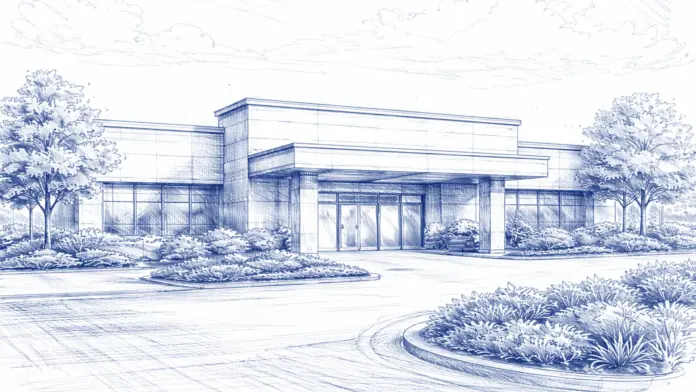


Center for Living and Learning has a great staff doing a great job, I'm very happy to have participated in this program, I was impressed by the level of care and attention they give to patients, I don't have enough words to express how good this place was for me and my famil ...
About Center for Living and Learning
Center for Living and Learning is a private nonprofit residential mental health treatment facility in Franklin, Tennessee, serving adults age 21 years and older with severe and persistent mental illness.
The Center treats conditions including schizophrenia, schizoaffective disorder, bipolar disorder, anxiety, depression and PTSD through an integrated biopsychosocial model and multidisciplinary care. Set on a 30 acre farm, the program is built around long term stability, vocational growth and a true sense of community for residents working toward independent living.
Residential Mental Health Treatment on a Tennessee Farm
Licensed to serve 26 residents, the Center provides 24 hour residential support guided by a board certified psychiatrist, a licensed clinical social worker and psychiatric and mental health nursing staff. Each resident receives an individualized progress plan with monthly reviews and ongoing case management after discharge.
Daily life blends clinical care with creative enrichment such as cooking, art, music, yoga and reading groups, alongside recreational outings and twice yearly retreats. Reviewers consistently describe the Center as a “sanctuary” and a “community/family environment,” praising the attentive care given to both residents and their loved ones.
Vocational Rehabilitation and Horticulture Therapy
The Center’s vocational program runs 5 mornings a week and includes CBT, DBT, mindfulness, coping skills, emotional intelligence training and hands on job experience. Residents and qualifying nonresidents engage in horticulture work through the onsite CSA, gaining real world skills, job placement support and coaching that build confidence and independence.
Admissions and Getting Started
Located on Old Hillsboro Road about 45 minutes from downtown Nashville, the Center offers in person residential care with an admissions process that includes a phone assessment, onsite tour and lunch with a current resident.
Founded in 1986 as a family driven nonprofit, the Center has built a longstanding reputation for community oriented care. Applicants should have current medical and prescription insurance and prospective residents are encouraged to contact the Center directly for pricing details.
Latest Reviews
Wonderful Horticulture Farm offering CSA fresh produce boxes plus marvelous holistic health products from their onsite store. The residential mental health program is highly ranked nationally. This program and staff are a Franklin community treasure!
An amazing sanctuary for adults with mental health issues. There are numerous ways you can support the work that is being done here.
This place is gold. Rare to see this kind of community/family environment available to those with behavioral/mental health issues.
We need more organizations like this - I had no idea this was even here in the Nashville area until my nursing school clinicals.
I will never forget y'all! Donate, donate, donate!

Rehab Score
 Our Methodology
Scoring is assigned by a proprietary system which helps surface key metrics that determine quality. The 10-point scale factors in categories such as operations, customer satisfaction, and trust metrics. Read Full Methodology

5.8 / 10
Location
Other Forms of Payment
Self-pay involves paying for treatment out of your own pocket. You can use savings or credit, get a personal loan, or receive help from family and friends to fund your treatment. If you don't have insurance or your insurance plan doesn't cover a specific program, self-pay can help ensure you still get the care you need.
Addiction Treatments
Levels of Care
Residential treatment programs are those that offer housing and meals in addition to substance abuse treatment. Rehab facilities that offer residential treatment allow patients to focus solely on recovery, in an environment totally separate from their lives. Some rehab centers specialize in short-term residential treatment (a few days to a week or two), while others solely provide treatment on a long-term basis (several weeks to months). Some offer both, and tailor treatment to the patient's individual requirements.
Treatments
Mental health rehabs focus on helping individuals recover from mental illnesses like bipolar disorder, clinical depression, anxiety disorders, schizophrenia, and more. Mental health professionals at these facilities are trained to understand and treat mental health issues, both in individual and group settings.
Programs
Adult rehab programs include therapies tailored to each client's specific needs, goals, and recovery progress. They are tailored to the specific challenges adult clients may face, including family and work pressures and commitments. From inpatient and residential treatment to various levels of outpatient services, there are many options available. Some facilities also help adults work through co-occurring conditions, like anxiety, that can accompany addiction.
Young adulthood can be an exciting, yet difficult, time of transition. Individuals in their late teens to mid-20s face unique stressors related to school, jobs, families, and social circles, which can lead to a rise in substance use. Rehab centers with dedicated young adult programs will include activities and amenities that cater to this age group, with an emphasis on specialized counseling, peer socialization, and ongoing aftercare.
Clinical Services
Experiential therapy is a form of therapy in which clients are encouraged to surface and work through subconscious issues by engaging in real-time experiences. Experiential therapy departs from traditional talk therapy by involving the body, and having clients engage in activities, movements, and physical and emotional expression. This can involve role-play or using props (which can include other people). Experiential therapy can help people process trauma, memories, and emotion quickly, deeply, and in a lasting fashion, leading to substantial and impactful healing.
Group therapy is any therapeutic work that happens in a group (not one-on-one). There are a number of different group therapy modalities, including support groups, experiential therapy, psycho-education, and more. Group therapy involves treatment as well as processing interaction between group members.
In individual therapy, a patient meets one-on-one with a trained psychologist or counselor. Therapy is a pivotal part of effective substance abuse treatment, as it often covers root causes of addiction, including challenges faced by the patient in their social, family, and work/school life.
Nutrition therapy, aka medical nutrition therapy (MNT), is a way of treating physical, emotional, and medical conditions through diet. Specific dietary plans are designed by professional nutritionists or registered dietitians, and patients follow them in order to positively affect their physical and mental health.
Trauma therapy addresses traumatic incidents from a client's past that are likely affecting their present-day experience. Trauma is often one of the primary triggers and potential causes of addiction, and can stem from child sexual abuse, domestic violence, having a parent with a mental illness, losing one or both parents at a young age, teenage or adult sexual assault, or any number of other factors. The purpose of trauma therapy is to allow a patient to process trauma and move through and past it, with the help of trained and compassionate mental health professionals.
Rehab.com regularly reviews this listing for accuracy but changes may occur between updates. For the most up-to-date information, please contact Center for Living and Learning.
Contact Information

1979 Old Hillsboro Road
Franklin, TN 37064
Get Help Now - 615-437-0407
Sponsored Helpline
Sponsored Helpline

