





























































































About Centered Recovery Programs – Holistic Outpatient Alcohol & Drug Rehab Center In Atlanta Georgia
Centered Recovery Programs is a mindfulness-based outpatient drug and alcohol rehab in Roswell, Georgia serving adults across the Atlanta metro area and statewide through virtual care.
They take a non-12 step holistic approach that integrates evidence based therapy with mindfulness practices to address addiction and anxiety, depression, stress, and burnout.
Treatment With the Real Time Recovery Model
Treatment typically begins with a clinical assessment to determine the appropriate level of care with detox referral and Medication Assisted Treatment support available as needed.
Clients can step into PHP, IOP, or outpatient programming with flexible morning or evening groups available in person or online. Relapse prevention, life skills, and mindfulness therapy form the foundation of the “Real-Time Recovery” model.
Programs blend counseling, group therapy, and family involvement with evidence based modalities such as CBT and DBT, ACT and motivational interviewing, and trauma informed care.
Quick Facts About Centered Recovery Programs
- Levels of care: PHP, IOP, Virtual IOP, and outpatient treatment.
- Who they treat: Adults, including executives, professionals, young adults, and older adults with co-occurring disorders.
- Approach: Mindfulness based, non-12 step model with CBT, DBT, ACT, and trauma informed care.
- Insurance: Accepts BCBS, Cigna, Aetna, Humana, UnitedHealthcare, Optum, and offers sliding scale options.
- Amenities: Private counseling rooms, classroom style group space, and a calm, professional setting.
- Aftercare: Alumni offerings including SMART Recovery, recovery yoga, breathwork, and sound bath groups.
Latest Reviews



Rehab Score
 Our Methodology


Gallery
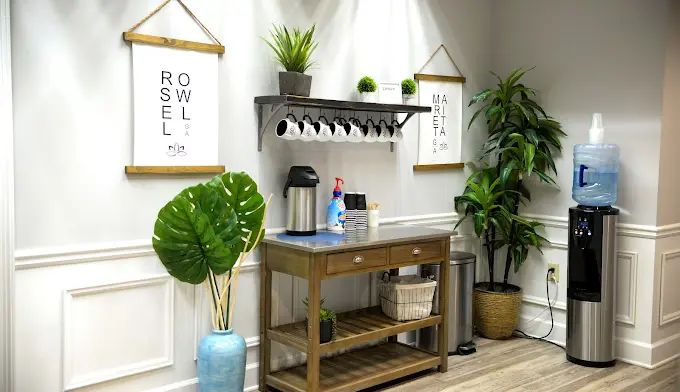
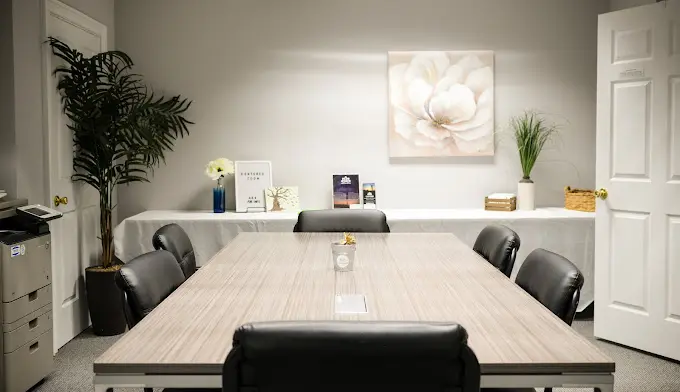
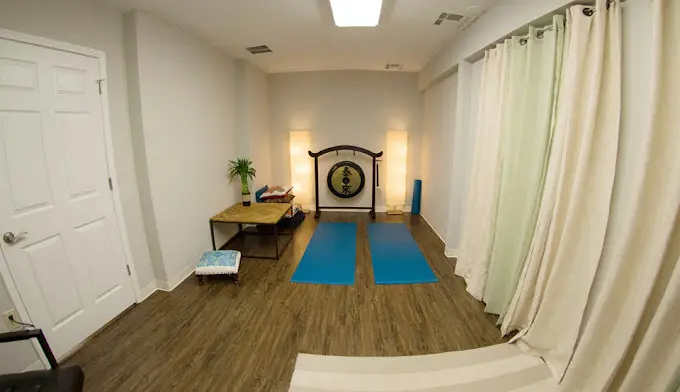
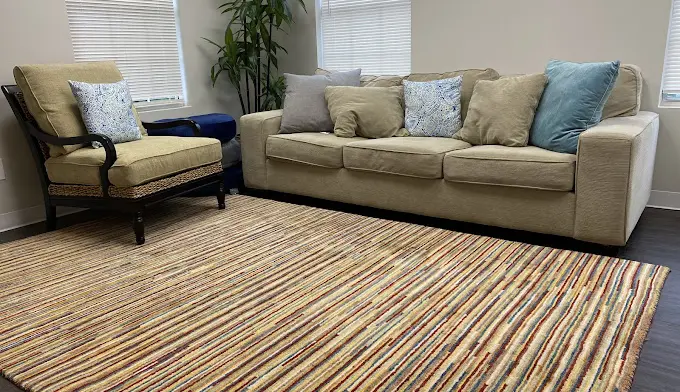

Accepted Insurance
Other Forms of Payment
Private insurance refers to any kind of healthcare coverage that isn't from the state or federal government. This includes individual and family plans offered by an employer or purchased from the Insurance Marketplace. Every plan will have different requirements and out of pocket costs so be sure to get the full details before you start treatment.
Self-pay involves paying for treatment out of your own pocket. You can use savings or credit, get a personal loan, or receive help from family and friends to fund your treatment. If you don't have insurance or your insurance plan doesn't cover a specific program, self-pay can help ensure you still get the care you need.
Addiction Treatments
Levels of Care
Intensive Outpatient Programs (IOP) are for those who want or need a very structured treatment program but who also wish to live at home and continue with certain responsibilities (such as work or school). IOP substance abuse treatment programs vary in duration and intensity, and certain outpatient rehab centers will offer individualized treatment programs.
Outpatient Programs (OP) are for those seeking mental rehab or drug rehab, but who also stay at home every night. The main difference between outpatient treatment (OP) and intensive outpatient treatment (IOP) lies in the amount of hours the patient spends at the facility. Most of the time an outpatient program is designed for someone who has completed an inpatient stay and is looking to continue their growth in recovery. Outpatient is not meant to be the starting point, it is commonly referred to as aftercare.
Residential treatment programs are those that offer housing and meals in addition to substance abuse treatment. Rehab facilities that offer residential treatment allow patients to focus solely on recovery, in an environment totally separate from their lives. Some rehab centers specialize in short-term residential treatment (a few days to a week or two), while others solely provide treatment on a long-term basis (several weeks to months). Some offer both, and tailor treatment to the patient's individual requirements.
Designed for individuals who don't require round-the-clock care, a partial hospitalization program (PHP) is a form of outpatient care with a higher level of support. PHP treatment can be an alternative to inpatient hospitalization or a step-down option. With daily sessions lasting 6 to 8 hours, up to 5 days a week, a partial hospitalization program may offer medication management, relapse prevention techniques, and behavioral therapy interventions. PHP treatment can be fully or partially covered by insurance.
Sober living homes in Georgia offers an alternative to the abrupt change of moving from intensive treatment to an unstructured home environment. Men's and women's sober living homes replicate everyday life situations, but they do so in a sober environment while also reinforcing healthy habits. This reduces the chance of relapse. Individuals who could use extra support after rehab or don't have a stable home environment can benefit from this transitional option.
Medical detox is the process of ridding the body of addictive substances in a medically supervised setting. If you become chemically dependent on a substance like alcohol, opioids, or benzodiazepines (like Xanax or Ativan), quitting abruptly can cause uncomfortable or even dangerous side effects. Licensed medical professionals ensure the process goes as safely and comfortably as possible while monitoring you 24/7 and administering any required medications,
Participants in 12 step recovery programs focus on personal growth to address the emotional and psychological factors contributing to their addiction. 12 step recovery is rooted in spiritual development, but religious affiliation isn't required. Regular group meetings and individualized support with the help of self-selected sponsors promote participants' sobriety as they work through the 12 steps, gaining insight into their addiction, taking responsibility for their life choices, and releasing control over that which is uncontrollable.
Treatments
A combined mental health and substance abuse rehab has the staff and resources available to handle individuals with both mental health and substance abuse issues. It can be challenging to determine where a specific symptom stems from (a mental health issue or an issue related to substance abuse), so mental health and substance abuse professionals are helpful in detangling symptoms and keeping treatment on track.
Clinical Services
Group therapy is any therapeutic work that happens in a group (not one-on-one). There are a number of different group therapy modalities, including support groups, experiential therapy, psycho-education, and more. Group therapy involves treatment as well as processing interaction between group members.
In individual therapy, a patient meets one-on-one with a trained psychologist or counselor. Therapy is a pivotal part of effective substance abuse treatment, as it often covers root causes of addiction, including challenges faced by the patient in their social, family, and work/school life.
Staff & Accreditations
Staff

Krista Smith
CEO
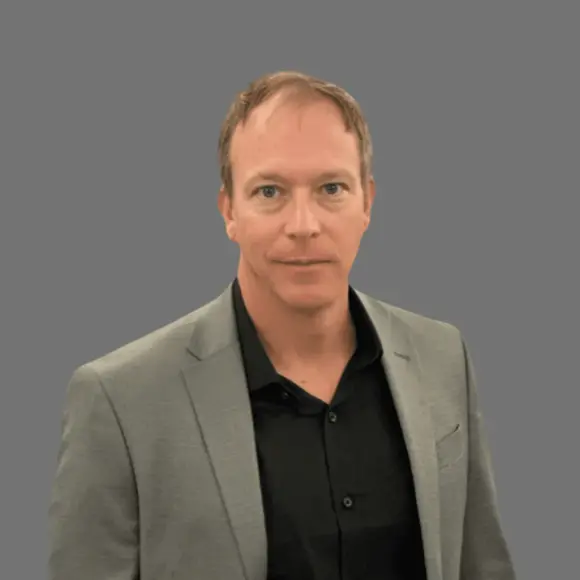
Reed Smith
Founder
Dr.Tim Cummings
Medical Director

Tammy Cha
Clinical Director
Accreditations

LegitScript has reviewed Centered Recovery Programs – Holistic Outpatient Alcohol & Drug Rehab Center In Atlanta Georgia as part of their certification program, and has determined that it meets the LegitScript standards for legality, safety and transparency.
LegitScript verified in July 2022
Rehab.com regularly reviews this listing for accuracy but changes may occur between updates. For the most up-to-date information, please contact Centered Recovery Programs – Holistic Outpatient Alcohol & Drug Rehab Center In Atlanta Georgia.
Contact Information


1111 Houze Rd
Suite 101
Roswell, GA 30076
Sponsored Helpline

