































































































Not very professional. They don't take criticism very well. I told them about many things that bothered and they simply chose to ignore me. In my case, I still got better because I was determined to get sober this time. But I still wouldn't recommend this place to someone el ...
About Zinnia Health Indiana
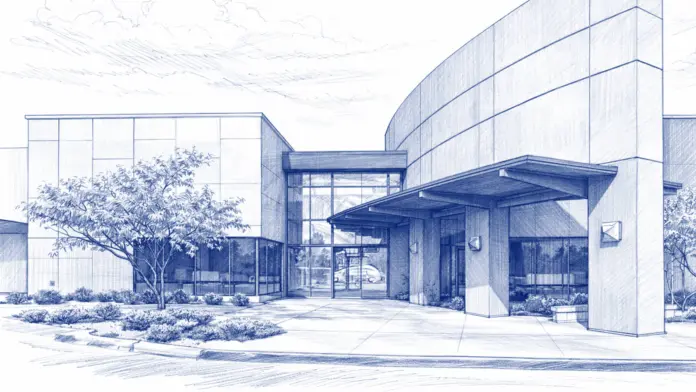
Zinnia Health Indiana is a South Bend addiction treatment center offering a full continuum of care for substance use disorders and co-occurring mental health conditions.
The facility treats alcohol, opioid, benzodiazepine, stimulant and marijuana addictions using trauma informed approaches. With personalized treatment plans and compassionate support at every level, Zinnia Health Indiana is committed to addressing the root causes of addiction and helping clients build lasting recovery.
Full Spectrum Treatment
Zinnia Health Indiana provides a complete range of addiction treatment services, from medically supervised detox and residential inpatient care to partial hospitalization, intensive outpatient and standard outpatient programs.
This comprehensive continuum allows clients to step up or step down in care based on their individual progress and needs.
Treatment incorporates therapy using evidence based modalities including cognitive behavioral therapy, dialectical behavior therapy and mindfulness based stress management.
Medication assisted treatment with FDA approved medications such as buprenorphine or naltrexone may also be included to support opioid or alcohol use disorder recovery.
Dual Diagnosis Care
Zinnia Health Indiana’s dual diagnosis program is designed for clients managing both a substance use disorder and a co-occurring condition such as depression and anxiety, PTSD or bipolar disorder.
Using a trauma informed care model, the clinical team addresses the mental health factors that often underlie or worsen addiction to support more comprehensive, sustainable recovery outcomes.
Getting Started
Zinnia Health Indiana serves clients at its South Bend location at 3606 E. Jefferson Blvd, with admissions available 24 hours a day, seven days a week. The facility accepts most major insurance plans and offers insurance verification to help prospective clients understand their benefits before beginning treatment.
Latest Reviews
My experience at choices was the best thing I had ever experienced in my life, MS.RACHAEL always had time for me to vent,cry, or just have a normal conversation,not to mention laughter. She is just an ANGEL ON EARTH, just as MS MONICA AND MS. KENZIE, these three LADIES changed my LIFE FOREVER. Ii was a lost soul just wondering around here on earth but they cared enough to show me how,when,why,and where I should be going in life and because of these 3 ANGELS I now own a 2 story log cabin in the woods in TN. , I work for the county HWY DEPARTMENT as an equipment operator and I have taken my life back because of THEIR BELIEF IN ME. if I went to every rehab center in the world I would have never found what I did with the WHOLE STAFF AT CHOICES, LOVE THEM FOREVER, AND THANK YOU FOR GIVING ME THE OPPORTUNITY TO BE ALL I CAN BE!! VERY MUCH LOVE TO ALL
I have been to icfr in Bloomington and it was the best experience I have ever had with a rehab! I think this will be a great Resource for people that want help!!❤️
Very respectful company
Response from the owner3 weeks ago
Thank you for your wonderful 5-star review, Tiera! Choices Recovery Center prides itself on the addiction treatment services that we provide to each client. 
Rehab Score
 Our Methodology
Scoring is assigned by a proprietary system which helps surface key metrics that determine quality. The 10-point scale factors in categories such as operations, customer satisfaction, and trust metrics. Read Full Methodology

6.9 / 10
Gallery
Other Forms of Payment
Private insurance refers to any kind of healthcare coverage that isn't from the state or federal government. This includes individual and family plans offered by an employer or purchased from the Insurance Marketplace. Every plan will have different requirements and out of pocket costs so be sure to get the full details before you start treatment.
Self-pay involves paying for treatment out of your own pocket. You can use savings or credit, get a personal loan, or receive help from family and friends to fund your treatment. If you don't have insurance or your insurance plan doesn't cover a specific program, self-pay can help ensure you still get the care you need.
Addiction Treatments
Levels of Care
Addiction is a destructive, downward spiral that destroys careers, friendships, marriages and lives. If you’re waiting for a loved one to reach rock bottom, you may wait for years as the damage grows worse and worse. The isolation, loneliness, depression and helplessness an addict experiences often prevents him or her from seeking help. It may be up to you to step in, confront that person and convince them that the time for treatment is right now.
The purpose of detoxification is to bring the body back to its normal rhythm or functioning. It’s used to restore the body to the state it was in before it became dependent on drugs or alcohol. After detoxification, individuals can get into even better shape than they were in before using drugs or alcohol. Unfortunately, it’s not quite as easy as it sounds. Oftentimes, detox can be a very painful and uncomfortable process. However, the entire process doesn’t last very long, so that is something people can look forward to.
Residential treatment programs are those that offer housing and meals in addition to substance abuse treatment. Rehab facilities that offer residential treatment allow patients to focus solely on recovery, in an environment totally separate from their lives. Some rehab centers specialize in short-term residential treatment (a few days to a week or two), while others solely provide treatment on a long-term basis (several weeks to months). Some offer both, and tailor treatment to the patient's individual requirements.
Treatments
The goal of treatment for alcoholism is abstinence. Those with poor social support, poor motivation, or psychiatric disorders tend to relapse within a few years of treatment. For these people, success is measured by longer periods of abstinence, reduced use of alcohol, better health, and improved social functioning. Recovery and Maintenance are usually based on 12 step programs and AA meetings.
For long-term recovery from drug addiction, drug rehab in Indiana is often key. This treatment gives individuals who are struggling with a substance use disorder the tools to manage their disorder and achieve long-term sobriety.
Opioid rehabs specialize in supporting those recovering from opioid addiction. They treat those suffering from addiction to illegal opioids like heroin, as well as prescription drugs like oxycodone. These centers typically combine both physical as well as mental and emotional support to help stop addiction. Physical support often includes medical detox and subsequent medical support (including medication), and mental support includes in-depth therapy to address the underlying causes of addiction.
Substance rehabs focus on helping individuals recover from substance abuse, including alcohol and drug addiction (both illegal and prescription drugs). They often include the opportunity to engage in both individual as well as group therapy.
Programs
Adult rehab programs include therapies tailored to each client's specific needs, goals, and recovery progress. They are tailored to the specific challenges adult clients may face, including family and work pressures and commitments. From inpatient and residential treatment to various levels of outpatient services, there are many options available. Some facilities also help adults work through co-occurring conditions, like anxiety, that can accompany addiction.
Young adulthood can be an exciting, yet difficult, time of transition. Individuals in their late teens to mid-20s face unique stressors related to school, jobs, families, and social circles, which can lead to a rise in substance use. Rehab centers with dedicated young adult programs will include activities and amenities that cater to this age group, with an emphasis on specialized counseling, peer socialization, and ongoing aftercare.
Clinical Services
Cognitive Behavioral Therapy (CBT) is a therapy modality that focuses on the relationship between one's thoughts, feelings, and behaviors. It is used to establish and allow for healthy responses to thoughts and feelings (instead of unhealthy responses, like using drugs or alcohol). CBT has been proven effective for recovering addicts of all kinds, and is used to strengthen a patient's own self-awareness and ability to self-regulate. CBT allows individuals to monitor their own emotional state, become more adept at communicating with others, and manage stress without needing to engage in substance abuse.
Creativity is inherently healing, and can help those in recovery express thoughts or feelings they might not otherwise be able to. Creative arts therapy can include music, poetry/writing, painting, sculpting, dance, theater, sandplay, and more. Unlike traditional art, the final product matters far less than the experience of creation and expression itself.
Experiential therapy is a form of therapy in which clients are encouraged to surface and work through subconscious issues by engaging in real-time experiences. Experiential therapy departs from traditional talk therapy by involving the body, and having clients engage in activities, movements, and physical and emotional expression. This can involve role-play or using props (which can include other people). Experiential therapy can help people process trauma, memories, and emotion quickly, deeply, and in a lasting fashion, leading to substantial and impactful healing.
Research clearly demonstrates that recovery is far more successful and sustainable when loved ones like family members participate in rehab and substance abuse treatment. Genetic factors may be at play when it comes to drug and alcohol addiction, as well as mental health issues. Family dynamics often play a critical role in addiction triggers, and if properly educated, family members can be a strong source of support when it comes to rehabilitation.
Group therapy is any therapeutic work that happens in a group (not one-on-one). There are a number of different group therapy modalities, including support groups, experiential therapy, psycho-education, and more. Group therapy involves treatment as well as processing interaction between group members.
In individual therapy, a patient meets one-on-one with a trained psychologist or counselor. Therapy is a pivotal part of effective substance abuse treatment, as it often covers root causes of addiction, including challenges faced by the patient in their social, family, and work/school life.
These groups are designed to allow patients to hone skills that can be used in everyday life to become more in control over things that might precipitate old behaviors by improving coping skills and knowing how to enhance relationships. Practicing these skills will reduce the confusions of life that lead to relapse and enable the patient to stay on a path of sobriety.
Motivational Interviewing (MI) is a clinical approach to helping people with substance abuse issues and other conditions shift behavior in positive ways. It is more goal-oriented than traditional psychotherapy, as MI counselors directly attempt to get clients to consider making behavioral change (rather than wait for them to come to conclusions themselves). Its primary purpose is to resolve ambivalence and help clients become able to make healthy choices freely.
Nicotine Replacement Therapy (NRT) is a way of getting nicotine into the bloodstream without smoking. It uses products that supply low doses of nicotine to help people stop smoking. The goal of therapy is to cut down on cravings for nicotine and ease the symptoms of nicotine withdrawal.
While food is a large part of nutrition, it doesn’t represent nutrition as a whole. Even with an optimal diet, it’s not always possible for recovering addicts to get the essential minerals and vitamins they need. Optimal nutrition should consist of a balanced diet and nutritional supplements. Many rehab centers give patients multivitamins because they contain a little bit of many different types of vitamins. Supplements can be very helpful during the detox process. Stress management and support therapies are also useful. This is a basic overview of detoxification for alcohol and drug addiction. Anyone who is suffering from an addiction should seek inpatient care. A major benefit of inpatient care is nutritious meals and shelter. It gives individuals a comfortable, clean place to get deep sleep. However, there are countless other reasons to seek inpatient care. Addiction has the power to ruin a person’s life, and in many cases, it can cause premature death, which is why it’s very important to seek the type of care that is proven to get lasting results.
Amenities
-
 Private Setting
 -
 Spa
Spa
Accreditations

The Commission on Accreditation of Rehabilitation Facilities (CARF) is a non-profit organization that specifically accredits rehab organizations. Founded in 1966, CARF's, mission is to help service providers like rehab facilities maintain high standards of care.
CARF Accreditation: Yes
Accreditation Number: 266868
Rehab.com regularly reviews this listing for accuracy but changes may occur between updates. For the most up-to-date information, please contact Zinnia Health Indiana.
Contact Information

3606 E Jefferson Blvd
South Bend, IN 46615
Get Help Now - 574-301-4763
Sponsored Helpline
Sponsored Helpline

