





























































































About Cityteam
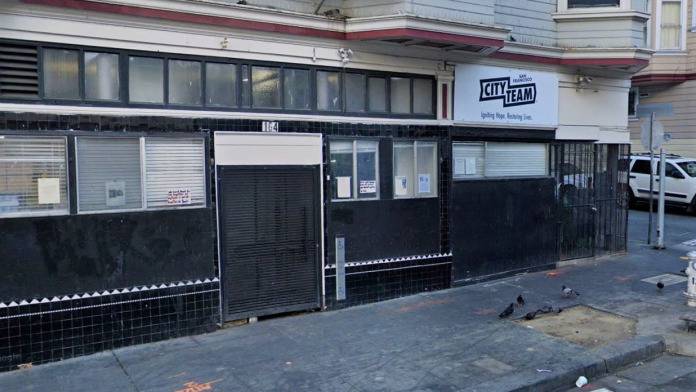
Cityteam is a large Christian organization that provides help for people in Oregon and California. They use innovative programs to provide food, shelter, clothing, and training to people in the community while sharing Christ’s love and enabling lasting solutions. This particular location is in San Francisco, California.
Wrap Around Comprehensive Services
The San Francisco location was acquired in 1998 and provides four programs including residential addiction recovery and a Learning and Career Enhancement Center. These programs were created to develop wrap around treatment so you receive meals, shelter, counseling, case management, education, and job preparation.
Your drug and alcohol addiction recovery also includes medical and dental care and breast cancer awareness education for women. The residential program serves men in a 9 to 12 month structured program that includes individual and group counseling, 12-step programs, anger management meetings, life skill classes and education classes.
Learning and Career Enhancement Center Provides Unique Benefits
Graduates also participate in an aftercare program that connects them with community resources to support their ongoing recovery journey. The program teaches you to learn responsibility, leadership and stewardship, requiring you to work at the mission in all capacities. This specialized program addresses educational needs, including reading, writing, and math using self-paced programs developed for people who are homeless.
Another aspect of the ministry is a transitional shelter program that gives you a stable and safe environment, helping to support your recovery journey. Case management is included that connects you with working opportunities or enrollment in school.
The job empowerment program for people who are unhoused teaches soft skills and job readiness as you achieve sobriety and we’re ready to enter the workforce.
Latest Reviews



Rehab Score
 Our Methodology


Gallery
Other Forms of Payment
 Free
FreeAddiction Treatments
Levels of Care
Residential treatment programs are those that offer housing and meals in addition to substance abuse treatment. Rehab facilities that offer residential treatment allow patients to focus solely on recovery, in an environment totally separate from their lives. Some rehab centers specialize in short-term residential treatment (a few days to a week or two), while others solely provide treatment on a long-term basis (several weeks to months). Some offer both, and tailor treatment to the patient's individual requirements.
12-step programs are addiction recovery models based on Alcoholics Anonymous (AA). A number of substance abuse programs (including some drug and alcohol rehab centers) use the 12 steps as a basis for treatment. Beginning steps involve admitting powerlessness over the addiction and creating a spiritual basis for recovery. Middle steps including making direct amends to those who've been hurt by the addiction, and the final step is to assist others in addiction recovery in the same way. 12-Step offshoots including Narcotics Anonymous (NA), Cocaine Anonymous (CA), Dual Recovery Anonymous (DRA), Sex and Love Addicts Anonymous (SLAA) and Gamblers Anonymous (GA).
Completing a drug or alcohol rehab program shouldn't spell the end of substance abuse treatment. Aftercare involves making a sustainable plan for recovery, including ongoing support. This can include sober living arrangements like halfway houses, career counseling, and setting a patient up with community programs like Alcoholics Anonymous (AA) or Narcotics Anonymous (NA).
Treatments
The goal of treatment for alcoholism is abstinence. Those with poor social support, poor motivation, or psychiatric disorders tend to relapse within a few years of treatment. For these people, success is measured by longer periods of abstinence, reduced use of alcohol, better health, and improved social functioning. Recovery and Maintenance are usually based on 12 step programs and AA meetings.
Drug rehab in California teaches participants constructive ways to stay clean and sober. Treatment revolves around helping individuals stop using the substance they are addicted to and learn healthy habits to avoid relapse.
A combined mental health and substance abuse rehab has the staff and resources available to handle individuals with both mental health and substance abuse issues. It can be challenging to determine where a specific symptom stems from (a mental health issue or an issue related to substance abuse), so mental health and substance abuse professionals are helpful in detangling symptoms and keeping treatment on track.
Opioid rehabs specialize in supporting those recovering from opioid addiction. They treat those suffering from addiction to illegal opioids like heroin, as well as prescription drugs like oxycodone. These centers typically combine both physical as well as mental and emotional support to help stop addiction. Physical support often includes medical detox and subsequent medical support (including medication), and mental support includes in-depth therapy to address the underlying causes of addiction.
Programs
Adult rehab programs include therapies tailored to each client's specific needs, goals, and recovery progress. They are tailored to the specific challenges adult clients may face, including family and work pressures and commitments. From inpatient and residential treatment to various levels of outpatient services, there are many options available. Some facilities also help adults work through co-occurring conditions, like anxiety, that can accompany addiction.
Young adulthood can be an exciting, yet difficult, time of transition. Individuals in their late teens to mid-20s face unique stressors related to school, jobs, families, and social circles, which can lead to a rise in substance use. Rehab centers with dedicated young adult programs will include activities and amenities that cater to this age group, with an emphasis on specialized counseling, peer socialization, and ongoing aftercare.
Clinical Services
Group therapy is any therapeutic work that happens in a group (not one-on-one). There are a number of different group therapy modalities, including support groups, experiential therapy, psycho-education, and more. Group therapy involves treatment as well as processing interaction between group members.
Life skills trainings involve all the skills a person must have in order to function successfully in the world. These include time management, career guidance, money management, and effective communication. Truly successful addiction recovery is based on the ability to not only live substance-free, but to thrive. Life skills teaches the practical necessities of functioning in society, which sets clients up for success in life, and therefore sobriety.
Amenities
-
 Residential Setting
Staff
Glen Peterson
President
Steven Martinez
Executive Director
Angela Aguilar
Director of Human Resources
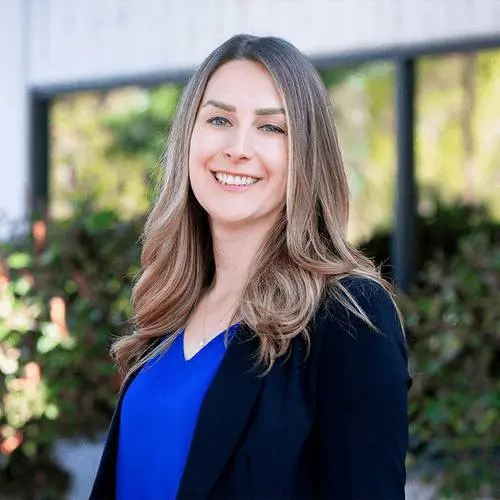
Melanie Davis
VP of Marketing and Development
Rehab.com regularly reviews this listing for accuracy but changes may occur between updates. For the most up-to-date information, please contact Cityteam.
Contact Information


164 6th Street
San Francisco, CA 94103
Sponsored Helpline



