






























































































I totally enjoy the group meeting with John and Jessica they always have good information on recovery and how to identify triggers. Both seem to bring out each individual's thoughts. They stay up on each individual's progress and always have some thing positive to say to eac ...
About Crossroads Center
Crossroads Center is an addiction treatment center in Frederick, Maryland, offering outpatient and intensive outpatient programs for people struggling with drug or alcohol addiction.
The team blends evidence based and holistic care through individual, family and group therapy, relapse prevention, and 12 step programs.
Reviewers describe the staff as deeply caring and appreciate how quickly they can get started, often within the same week.
Addiction Treatments at Crossroads Center
Crossroads Center provides outpatient and intensive outpatient (IOP) treatment, including individual therapy, relationship and family therapy and group therapy.
Programs feature evaluations, continuing care, relapse prevention, intervention services and 12-step support, along with evidence based approaches like CBT and DBT.
Peer recovery support is built into the IOP.
Helping LGBTQ+ in Frederick Maryland
The center serves teens and adults, with services for individuals, couples and groups.
Crossroads Center offers LGBTQ+ friendly care and treats co-occurring disorders, supporting both mental health and addiction recovery.
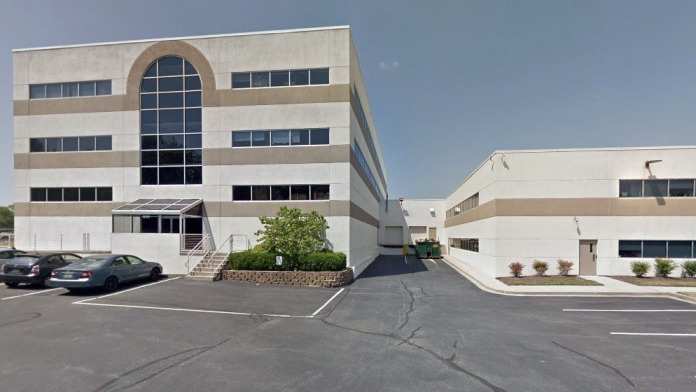
Crossroads Center is located at 1890 N Market St, Suite 301 in Frederick, Maryland.
In-person care is available at this Joint Commission accredited office, and virtual counseling is offered throughout Maryland.
Insurance or Self-Pay Options
The center accepts private insurance, Medicare, Medicaid and military insurance, along with self-pay and financial aid options.
Accepted plans include Aetna, Anthem, CareFirst, Cigna, Humana, Johns Hopkins, Magellan and other major insurers.
Latest Reviews
Crossroads center of Frederick is by far the best place in the world I’ve been to many of out patient treatment centers and crossroads has the best staff they really care about you they have always been there take time out of there personal day just to make sure your okay I’ve been in and out of crossroads since 2012 and I’ve always had the best treatment with the staff and crossroads as a whole as that being said I love everyone in crossroads it’s a family I recommend crossroads if your looking for help they get you in the same week
I started crossroads in January and my experience has been great. I was in the IOP program and with 9 different meeting throughout the week I had plenty of flexibility in my weekly schedule. Everyone in the group are always very engaged and are ran by some great people. If you are in need of resources they will track down the information promptly. I highly recommend checking them out if you are looking for a treatment program.
Can’t give enough thanks and love to Crossroads. Very grateful.

Rehab Score
 Our Methodology
Scoring is assigned by a proprietary system which helps surface key metrics that determine quality. The 10-point scale factors in categories such as operations, customer satisfaction, and trust metrics. Read Full Methodology

6.5 / 10
Gallery
Other Forms of Payment
Private insurance refers to any kind of healthcare coverage that isn't from the state or federal government. This includes individual and family plans offered by an employer or purchased from the Insurance Marketplace. Every plan will have different requirements and out of pocket costs so be sure to get the full details before you start treatment.
Self-pay involves paying for treatment out of your own pocket. You can use savings or credit, get a personal loan, or receive help from family and friends to fund your treatment. If you don't have insurance or your insurance plan doesn't cover a specific program, self-pay can help ensure you still get the care you need.
Financial aid can take many forms. Centers may have grants or scholarships available to clients who meet eligibility requirements. Programs that receive SAMHSA grants may have financial aid available for those who need treatment as well. Grants and scholarships can help you pai for treatment without having to repay.
Medicare is a federal program that provides health insurance for those 65 and older. It also serves people under 65 with chronic and disabling health challenges. To use Medicare for addiction treatment you need to find a program that accepts Medicare and is in network with your plan. Out of pocket costs and preauthorization requirements vary, so always check with your provider.
Medicaid is a state based program that helps lower-income individuals and families pay for healthcare. Medicaid covers addiction treatment so those enrolled can use their coverage to pay for rehab. When a program accepts Medicaid the client often pays very little or nothing out of their own pocket.
Military members, veterans, and eligible dependents have access to specific insurance programs that help them get the care they need. TRICARE and VA insurance can help you access low cost or no cost addiction and mental health treatment. Programs that accept military insurance often have targeted treatment focused on the unique challenges military members, veterans, and their families face.
Addiction Treatments
Levels of Care
Outpatient Programs (OP) are for those seeking mental rehab or drug rehab, but who also stay at home every night. The main difference between outpatient treatment (OP) and intensive outpatient treatment (IOP) lies in the amount of hours the patient spends at the facility. Most of the time an outpatient program is designed for someone who has completed an inpatient stay and is looking to continue their growth in recovery. Outpatient is not meant to be the starting point, it is commonly referred to as aftercare.
Inpatient rehab enables clients to focus exclusively on their recovery while living in a highly structured and supportive environment. Inpatient treatment is typically designed for clients who have just completed detox, are in early recovery, and/or are at an elevated risk of relapse. Their treatment generally involves intensive addiction counseling, including individual, group, and family counseling. Many inpatient rehabs also offer recovery-focused life skills training and/or holistic therapies, such as yoga, massage, and meditation.
Clients receiving support in a rehab aftercare program typically partner with their case manager and care team to identify and access the services that best align with their recovery needs and goals. Rehab aftercare services are designed to evolve with clients' changing needs to promote their long-term sobriety. Care modalities are highly customized and may include a range of medical, mental health, and social service resources, including peer coaching, career counseling, and 12 step program induction.
Their program is built around the principles of Alcoholics Anonymous and Narcotics Anonymous that have helped thousands of alcohol and drug users find new support systems that help foster healthy and strong recovery programs. Beginning steps involve admitting powerlessness over the addiction and creating a spiritual basis for recovery. Middle steps including making direct amends to those who've been hurt by the addiction, and the final step is to assist others in addiction recovery in the same way.
Intervention services helps family or friends of addicts stage an intervention, which is a meeting in which loved ones share their concerns and attempt to get an addict into treatment. Professional intervention specialists can help loved ones organize, gather, and communicate with an addict. They can guide intervention participants in describing the damage the addict's behavior is causing and that outside help is necessary to address the addiction. The ideal outcome of an intervention is for the addict to go to rehab and get the help they need.
Treatments
The goal of treatment for alcoholism is abstinence. Those with poor social support, poor motivation, or psychiatric disorders tend to relapse within a few years of treatment. For these people, success is measured by longer periods of abstinence, reduced use of alcohol, better health, and improved social functioning. Recovery and Maintenance are usually based on 12 step programs and AA meetings.
Once a person has become addicted to a substance, drug rehab in Maryland is often necessary to overcome that addiction. These programs provide the tools individuals need to manage the physical, mental, and emotional issues involved and begin a successful recovery journey.
Many of those suffering from addiction also suffer from mental or emotional illnesses like schizophrenia, bipolar disorder, depression, or anxiety disorders. Rehab and other substance abuse facilities treating those with a dual diagnosis or co-occurring disorder administer psychiatric treatment to address the person's mental health issue in addition to drug and alcohol rehabilitation.
A combined mental health and substance abuse rehab has the staff and resources available to handle individuals with both mental health and substance abuse issues. It can be challenging to determine where a specific symptom stems from (a mental health issue or an issue related to substance abuse), so mental health and substance abuse professionals are helpful in detangling symptoms and keeping treatment on track.
Opioid rehabs specialize in supporting those recovering from opioid addiction. They treat those suffering from addiction to illegal opioids like heroin, as well as prescription drugs like oxycodone. These centers typically combine both physical as well as mental and emotional support to help stop addiction. Physical support often includes medical detox and subsequent medical support (including medication), and mental support includes in-depth therapy to address the underlying causes of addiction.
Programs
Adult rehab programs include therapies tailored to each client's specific needs, goals, and recovery progress. They are tailored to the specific challenges adult clients may face, including family and work pressures and commitments. From inpatient and residential treatment to various levels of outpatient services, there are many options available. Some facilities also help adults work through co-occurring conditions, like anxiety, that can accompany addiction.
Clinical Services
Cognitive behavioral therapy in Maryland emphasizes your current life rather than what has happened in the past. Your therapist will help you develop methods to deal with current and future challenges so you can cope in healthy ways that don't involve substances.
During dialectical behavior therapy sessions, you'll review the challenges you faced the previous week and the feelings you experienced during those times. You and your therapist will engage in problem solving, discussing how you can handle those situations in the future for a better outcome. This involves keeping a diary throughout the week to track your emotions.
Group therapy is any therapeutic work that happens in a group (not one-on-one). There are a number of different group therapy modalities, including support groups, experiential therapy, psycho-education, and more. Group therapy involves treatment as well as processing interaction between group members.
In individual therapy, a patient meets one-on-one with a trained psychologist or counselor. Therapy is a pivotal part of effective substance abuse treatment, as it often covers root causes of addiction, including challenges faced by the patient in their social, family, and work/school life.
Four key principles guide motivational interviewing. These are empathy, self efficacy, rolling with resistance, and developing discrepancy. These techniques allow the client to examine their motivations for change, identify discrepancies in their current situation and future goals, and feel empowered to make changes to reach their goals.
Whether a marriage or other committed relationship, an intimate partnership is one of the most important aspects of a person's life. Drug and alcohol addiction affects both members of a couple in deep and meaningful ways, as does rehab and recovery. Couples therapy and other couples-focused treatment programs are significant parts of exploring triggers of addiction, as well as learning how to build healthy patterns to support ongoing sobriety.
Research clearly demonstrates that recovery is far more successful and sustainable when loved ones like family members participate in rehab and substance abuse treatment. Genetic factors may be at play when it comes to drug and alcohol addiction, as well as mental health issues. Family dynamics often play a critical role in addiction triggers, and if properly educated, family members can be a strong source of support when it comes to rehabilitation.
Life skills may be as simple as preparing a meal or as complex as interpersonal communication. They cover a broad range, encompassing the core skills you'll need for a successful long term recovery. Rehab in Maryland focuses on helping you develop or re learn these skills so you can live a healthy, independent life in recovery.
Amenities
-
 Residential Setting
 -
 Private Rooms
Accreditations

The Commission on Accreditation of Rehabilitation Facilities (CARF) is a non-profit organization that specifically accredits rehab organizations. Founded in 1966, CARF's, mission is to help service providers like rehab facilities maintain high standards of care.
CARF Accreditation: Yes

State Licenses are permits issued by government agencies that allow rehab organizations to conduct business legally within a certain geographical area. Typically, the kind of program a rehab facility offers, along with its physical location, determines which licenses are required to operate legally.
State License: Maryland

The Joint Commission, formerly known as JCAHO, is a nonprofit organization that accredits rehab organizations and programs. Founded in 1951, the Joint Commision's mission is to improve the quality of patient care and demonstrating the quality of patient care.
Joint Commission Accreditation: Yes
Rehab.com regularly reviews this listing for accuracy but changes may occur between updates. For the most up-to-date information, please contact Crossroads Center.
Contact Information

1890 N Market St
# 301
Frederick, MD 21701
Get Help Now - 443-376-8502
Sponsored Helpline
Sponsored Helpline

