












Footprints to Recovery Addiction Treatment Centers
1
Top 10 Rehab Centers In Centennial



















































































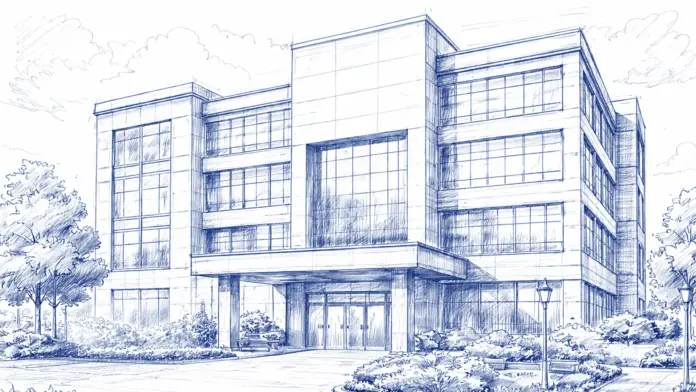
Diversus Health Woodland Park Counseling Center is an outpatient mental health and addiction treatment facility in Woodland Park, Colorado serving children, adolescents, adults and families throughout the Pikes Peak region.
The center provides flexible outpatient addiction counseling, mental health therapy and coordinated support for individuals managing cooccurring substance use and mental health challenges.
The Woodland Park center offers outpatient addiction counseling for clients who live at home and need flexible scheduling around work, school or family responsibilities.
Treatment begins with a substance use evaluation and individualized care planning, with many clients able to access same day assessments to reduce wait times and speed entry into services.
Clients receive individual and family therapy to address the root causes of addiction, build coping skills and strengthen family communication. The Diversus Health system also offers Medication Assisted Treatment for adults using licensed psychiatrists, DUI education and drug monitoring services.

 Our Methodology


Outpatient Programs (OP) are for those seeking mental rehab or drug rehab, but who also stay at home every night. The main difference between outpatient treatment (OP) and intensive outpatient treatment (IOP) lies in the amount of hours the patient spends at the facility. Most of the time an outpatient program is designed for someone who has completed an inpatient stay and is looking to continue their growth in recovery. Outpatient is not meant to be the starting point, it is commonly referred to as aftercare.
Mental health rehabs focus on helping individuals recover from mental illnesses like bipolar disorder, clinical depression, anxiety disorders, schizophrenia, and more. Mental health professionals at these facilities are trained to understand and treat mental health issues, both in individual and group settings.
Adult rehab programs include therapies tailored to each client's specific needs, goals, and recovery progress. They are tailored to the specific challenges adult clients may face, including family and work pressures and commitments. From inpatient and residential treatment to various levels of outpatient services, there are many options available. Some facilities also help adults work through co-occurring conditions, like anxiety, that can accompany addiction.
Research clearly demonstrates that recovery is far more successful and sustainable when loved ones like family members participate in rehab and substance abuse treatment. Genetic factors may be at play when it comes to drug and alcohol addiction, as well as mental health issues. Family dynamics often play a critical role in addiction triggers, and if properly educated, family members can be a strong source of support when it comes to rehabilitation.
In individual therapy, a patient meets one-on-one with a trained psychologist or counselor. Therapy is a pivotal part of effective substance abuse treatment, as it often covers root causes of addiction, including challenges faced by the patient in their social, family, and work/school life.
Trauma therapy addresses traumatic incidents from a client's past that are likely affecting their present-day experience. Trauma is often one of the primary triggers and potential causes of addiction, and can stem from child sexual abuse, domestic violence, having a parent with a mental illness, losing one or both parents at a young age, teenage or adult sexual assault, or any number of other factors. The purpose of trauma therapy is to allow a patient to process trauma and move through and past it, with the help of trained and compassionate mental health professionals.

President & CEO
Chief Operations Officer
Chief Administrative Officer

Chief Information Officer

Chief Medical Officer

Chief Clinical Officer

Vice President of Accounting & Finance

Vice President, Continuous Process Improvement
Rehab.com regularly reviews this listing for accuracy but changes may occur between updates. For the most up-to-date information, please contact Diversus Health Woodland Park Counseling Center.

18401 Highway 24 S
Suite 119
Woodland Park, CO 80863
Sponsored Helpline

If you're needing exemplary care. By the kindest. Tolerant. Empathetic. compassion. A listening ear... To help your hurts. & Process trauma. Or help w/ managing mental health ailments the psychotherapy & counseling is outstanding. Fantastic help! & Fantastic staff.

All around well done


This is a great place! We appreciate how much they have helped our family.
 Back
Back
Sharing your insights and experiences can help others learn more about this rehab center.