






























































































Strict, but at the same time laid back staff. On my very first day there so many years ago I knew I was in the right place because I was treated by humans. Good place to go to for help with addictions
About EJAL Health Services
They’re located 10 miles south of Baltimore with an estimated 20 to 25 minutes driving time. The area is accessible via Light RailLink and MTA bus services as well. This makes it easy for people from nearby Severna Park, Hanover and Pasadena to access treatment here. Sawmill Creek Park, Fort Smallwood Park and the historic Glen Haven Memorial Park are great natural spots nearby that can add fun to your healing journey in this city.
Methadone is an FDA approved med that is used in both detox and maintenance treatment. It alleviates withdrawal symptoms and cravings, enabling you to focus on recovery completely. The med is normally backed up with counseling to help tackle the emotional and psychological aspects of opioid use. This integrated approach ensures holistic healing that frees your mind and body from the harmful impact of opioid use. Methadone maintenance is a long term treatment geared towards abstinence.
EJAL Health Services recognizes how hard opioid addiction can be on people and their families. They therefore provide personalized and holistic care. This ushers you into a new life free from opioid dependence. It also helps you reenter the community as positive and independent.
The clinic also offers guest dosing services. This benefits patients from other programs who are traveling and need to maintain their treatment plan. They strive to make your guest dosing experience as smooth and comfortable as possible. The best part is that they accept cash, credit cards and Maryland Medicaid. This enhances convenience and makes their services accessible.
It’s also great that they accept walk-ins. Although appointments can reduce your wait time. Most past clients only have beautiful things to say about this clinic. This reflects an overall impressive care. This is also validated by their CARF accreditation.
Latest Reviews
This is 2nd time back to this program it was a good program when I was here 15 years ago and I have been back here for several months. I have been to meny other programs I have seen and been threw alot in these places and one of the worst things is just getten shuffled around like a peace of paper and being told things that are unture or being led to believe things then let down especially when in recovery***. At my last program they couldnt keep a councilor steady for nothing which is very hard on people people in recovery as well people here seem happy to work here thats what i remembered most when i was here in my youth.I would like to say Tara my new my councilor here is very astute and I believe she does a great job and shows it in meny ways making sure to contact an keep intouch with people and trys to make sure to contact me if they are going to be closed and naturally wants the best out of people she is sincere in her efforts and seems to love her job.im surprised at how much she remembers it shows she really listens and she will take the time to help with things like paper work and finding and informing me of information that may help me in my endeavors. I would like to say thank you to her for being there.
Response from the owner1 week ago
Thank you so much for the kind words! They will be passed along to Tara.
This clinic has been the best
Me an my fiance have been coming here since 2016 it took several counselors but we hands down have one of the best counselors they could have there Zach. He actually cares were other counselors I have had didn't. I even tried to switch when I moved but because the other place counselor wasn't like him an didn't care me and my fiance came back. I have only had one problem there which was recent don't like how it was handled but Zach was on top. The nurses are amazing. They are a great team.
Response from the owner1 week ago
Thank you so much for the kind words! They will be passed along to Zach. 
Rehab Score
 Our Methodology
Scoring is assigned by a proprietary system which helps surface key metrics that determine quality. The 10-point scale factors in categories such as operations, customer satisfaction, and trust metrics. Read Full Methodology

7.1 / 10
Gallery
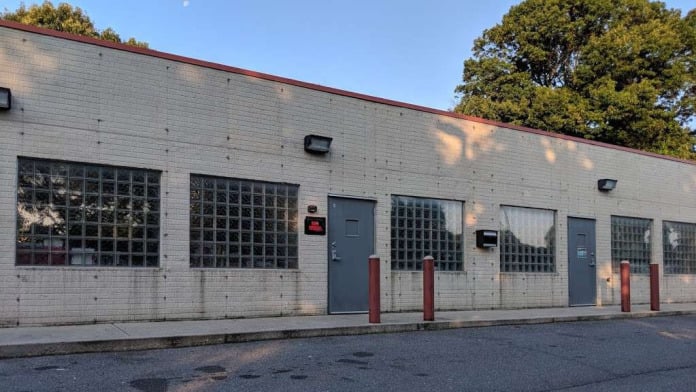
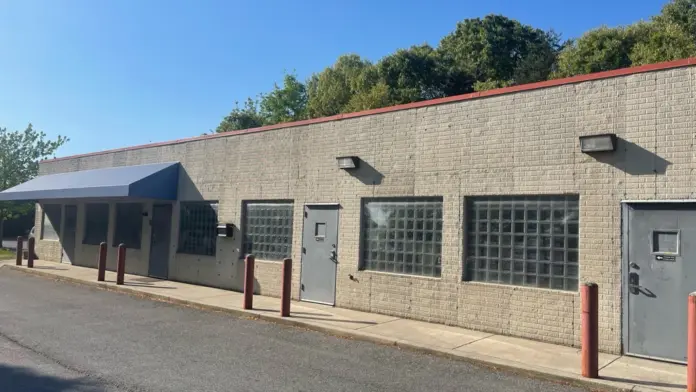
Other Forms of Payment
Self-pay involves paying for treatment out of your own pocket. You can use savings or credit, get a personal loan, or receive help from family and friends to fund your treatment. If you don't have insurance or your insurance plan doesn't cover a specific program, self-pay can help ensure you still get the care you need.
Financial aid can take many forms. Centers may have grants or scholarships available to clients who meet eligibility requirements. Programs that receive SAMHSA grants may have financial aid available for those who need treatment as well. Grants and scholarships can help you pai for treatment without having to repay.
Medicaid is a state based program that helps lower-income individuals and families pay for healthcare. Medicaid covers addiction treatment so those enrolled can use their coverage to pay for rehab. When a program accepts Medicaid the client often pays very little or nothing out of their own pocket.
Addiction Treatments
Levels of Care
Outpatient Programs (OP) are for those seeking mental rehab or drug rehab, but who also stay at home every night. The main difference between outpatient treatment (OP) and intensive outpatient treatment (IOP) lies in the amount of hours the patient spends at the facility. Most of the time an outpatient program is designed for someone who has completed an inpatient stay and is looking to continue their growth in recovery. Outpatient is not meant to be the starting point, it is commonly referred to as aftercare.
Drug and alcohol addiction often takes a heavy toll on one's body. Over time, a physical dependence can develop, meaning the body physiologically needs the substance to function. Detox is the process of removing drugs and/or alcohol from the body, a process that can be lethal if mismanaged. Medical detox is done by licensed medical professionals who monitor vital signs and keep you safe, healthy, and as comfortable as possible as you go through detox and withdrawal.
Treatments
The goal of treatment for alcoholism is abstinence. Those with poor social support, poor motivation, or psychiatric disorders tend to relapse within a few years of treatment. For these people, success is measured by longer periods of abstinence, reduced use of alcohol, better health, and improved social functioning. Recovery and Maintenance are usually based on 12 step programs and AA meetings.
Once a person has become addicted to a substance, drug rehab in Maryland is often necessary to overcome that addiction. These programs provide the tools individuals need to manage the physical, mental, and emotional issues involved and begin a successful recovery journey.
Opioid rehabs specialize in supporting those recovering from opioid addiction. They treat those suffering from addiction to illegal opioids like heroin, as well as prescription drugs like oxycodone. These centers typically combine both physical as well as mental and emotional support to help stop addiction. Physical support often includes medical detox and subsequent medical support (including medication), and mental support includes in-depth therapy to address the underlying causes of addiction.
Substance rehabs focus on helping individuals recover from substance abuse, including alcohol and drug addiction (both illegal and prescription drugs). They often include the opportunity to engage in both individual as well as group therapy.
Programs
Adult rehab programs include therapies tailored to each client's specific needs, goals, and recovery progress. They are tailored to the specific challenges adult clients may face, including family and work pressures and commitments. From inpatient and residential treatment to various levels of outpatient services, there are many options available. Some facilities also help adults work through co-occurring conditions, like anxiety, that can accompany addiction.
Young adulthood can be an exciting, yet difficult, time of transition. Individuals in their late teens to mid-20s face unique stressors related to school, jobs, families, and social circles, which can lead to a rise in substance use. Rehab centers with dedicated young adult programs will include activities and amenities that cater to this age group, with an emphasis on specialized counseling, peer socialization, and ongoing aftercare.
Clinical Services
In individual therapy, a patient meets one-on-one with a trained psychologist or counselor. Therapy is a pivotal part of effective substance abuse treatment, as it often covers root causes of addiction, including challenges faced by the patient in their social, family, and work/school life.
Life skills trainings involve all the skills a person must have in order to function successfully in the world. These include time management, career guidance, money management, and effective communication. Truly successful addiction recovery is based on the ability to not only live substance-free, but to thrive. Life skills teaches the practical necessities of functioning in society, which sets clients up for success in life, and therefore sobriety.
Amenities
-
 Residential Setting
 -
 Private Setting
Accreditations

The Commission on Accreditation of Rehabilitation Facilities (CARF) is a non-profit organization that specifically accredits rehab organizations. Founded in 1966, CARF's, mission is to help service providers like rehab facilities maintain high standards of care.
CARF Accreditation: Yes
Accreditation Number: 38879
Rehab.com regularly reviews this listing for accuracy but changes may occur between updates. For the most up-to-date information, please contact EJAL Health Services.
Contact Information

7229 Ritchie Highway
Glen Burnie, MD 21061
Get Help Now - 443-376-8502
Sponsored Helpline
Sponsored Helpline



