































































































Gateway has been and continues to be a positive environment for me in my recovery. They have awesome counselors, that care about you and that will teach you many coping skills. Thanks to them I wake up every day knowing that I have a purpose. Thank you very much for your hel ...
About Gateway Foundation
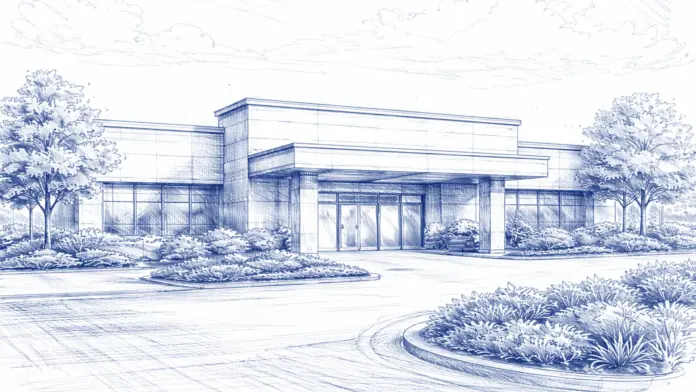
Gateway Foundation in Pekin, Illinois is an outpatient addiction treatment center serving adults across central Illinois who are seeking flexible, community based care.
This location offers outpatient and intensive outpatient programs, cooccurring mental health support and evidence based therapies.
Clients appreciate the welcoming environment, gender specific groups and the ability to continue working or caring for family while in treatment.
What addiction treatment programs are offered?
Gateway Foundation Pekin focuses on outpatient care, including intensive outpatient programming.
Services include individual counseling, group therapy, relapse prevention and aftercare support.
MAT and support for opioid use are also referenced.
Who can get help here?
The Pekin location primarily serves adults living with substance use disorders, including alcohol, opioid and other drug addictions.
Cooccurring mental health conditions are addressed through dual diagnosis care and gender specific groups.
What therapies and approaches are used?
Clinicians use evidence based methods such as CBT, MI, mindfulness and trauma informed care.
The program is Joint Commission accredited and integrates dual diagnosis treatment for those managing both addiction and mental health concerns.
Where is the center located?
Gateway Foundation is located at 11 South Capitol Street in Pekin, just south of Peoria.
The single story outpatient clinic is convenient for residents throughout the greater central Illinois region.
What insurance and payment options are accepted?
The center accepts Medicaid, private insurance, military insurance and self pay.
Sliding scale assistance and financing options may also be available.
Latest Reviews
I genuinely hit the jackpot calling Gateway Foundation. After 3 months in their outpatient program, I can say without a doubt it's one of the best decisions I've ever made.
Everyone there is exceptionally caring. Like, it's not just a job to these people, you can feel it. There was a moment where I almost walked away from the program entirely, but Chris and Shellie stepped in with a real talk that completely flipped my perspective and changed the trajectory of my treatment and my life. I'll never forget that.
The counselors and staff are incredibly knowledgeable, compassionate, and genuinely invested in your success. Every single person I worked with made me feel supported and never judged. And Tony, who runs the place, actually made a point to come talk to me and ask how my experience was going. That meant more than he probably knows.
I didn't have much to compare it to going in, but talking to other participants pretty quickly made it clear that Gateway is one of the best programs in the area. Everyone I met spoke highly of it, and now I understand why.
I'm going to miss everyone there. If you're on the fence about calling, just call. Best decision I made.
Response from the owner3 weeks ago
Thank you so much for taking the time to share this. We greatly appreciate your kind words.
Gateway foundation Peoria is so wonderful the staff and counselors are super friendly and easy to talk to and the facility is Super nice and clean Can’t say enough good things about Gateway it’s the place to go if you need help cause it’s definitely five star
Response from the owner3 weeks ago
Thank you for the 5-star review, Donna!
I have gotten so much out of this program. I’m growing and learning constantly. From group to my therapist, right down to Phil who opens the door for me and handles my weekly drop to Mo who greets me and gives me the time to sign in. Gateway Peoria is doing a phenomenal job helping people battle and beat addiction. The staff here make this experience as easy and comfortable as it can be. I would absolutely recommend Gateway Peoria to friends or family.
Response from the owner3 weeks ago
Thank you very much for sharing your comments and leaving us this review, Sheila! 
Rehab Score
 Our Methodology
Scoring is assigned by a proprietary system which helps surface key metrics that determine quality. The 10-point scale factors in categories such as operations, customer satisfaction, and trust metrics. Read Full Methodology

7 / 10
Location
Accepted Insurance
Other Forms of Payment
Medicaid is a state based program that helps lower-income individuals and families pay for healthcare. Medicaid covers addiction treatment so those enrolled can use their coverage to pay for rehab. When a program accepts Medicaid the client often pays very little or nothing out of their own pocket.
Private insurance refers to any kind of healthcare coverage that isn't from the state or federal government. This includes individual and family plans offered by an employer or purchased from the Insurance Marketplace. Every plan will have different requirements and out of pocket costs so be sure to get the full details before you start treatment.
Self-pay involves paying for treatment out of your own pocket. You can use savings or credit, get a personal loan, or receive help from family and friends to fund your treatment. If you don't have insurance or your insurance plan doesn't cover a specific program, self-pay can help ensure you still get the care you need.
Financial aid can take many forms. Centers may have grants or scholarships available to clients who meet eligibility requirements. Programs that receive SAMHSA grants may have financial aid available for those who need treatment as well. Grants and scholarships can help you pai for treatment without having to repay.
Sliding scale payments are based on a client's income and family size. The goal is to make treatment affordable to everyone. By taking these factors into account, addiction recovery care providers help ensure that your treatment does not become a financial burden to you or your family, eliminating one barrier to care.
Military members, veterans, and eligible dependents have access to specific insurance programs that help them get the care they need. TRICARE and VA insurance can help you access low cost or no cost addiction and mental health treatment. Programs that accept military insurance often have targeted treatment focused on the unique challenges military members, veterans, and their families face.
Addiction Treatments
Levels of Care
Outpatient Programs (OP) are for those seeking mental rehab or drug rehab, but who also stay at home every night. The main difference between outpatient treatment (OP) and intensive outpatient treatment (IOP) lies in the amount of hours the patient spends at the facility. Most of the time an outpatient program is designed for someone who has completed an inpatient stay and is looking to continue their growth in recovery. Outpatient is not meant to be the starting point, it is commonly referred to as aftercare.
Drug and alcohol addiction often takes a heavy toll on one's body. Over time, a physical dependence can develop, meaning the body physiologically needs the substance to function. Detox is the process of removing drugs and/or alcohol from the body, a process that can be lethal if mismanaged. Medical detox is done by licensed medical professionals who monitor vital signs and keep you safe, healthy, and as comfortable as possible as you go through detox and withdrawal.
Intensive Outpatient programs are for those who want or need a very structured treatment program but who also wish to live at home and continue with certain responsibilities (such as work or school). IOP substance abuse treatment programs vary in duration and intensity, and certain outpatient rehab centers will offer individualized treatment programs. In Gateway's intense yet effective outpatient substance abuse treatment programs, individuals generally engage in multiple counseling sessions per week, over four to six weeks before transitioning into weekly Aftercare counseling sessions.
At certain points in the recovery process, it's important to have support available 24/7. 24-hour clinical care offers a safe environment in which to recover from drug or alcohol addiction in peace, knowing medical detox and other treatment will happen with professionals on hand.
12-step programs are addiction recovery models based on Alcoholics Anonymous (AA). A number of substance abuse programs (including some drug and alcohol rehab centers) use the 12 steps as a basis for treatment. Beginning steps involve admitting powerlessness over the addiction and creating a spiritual basis for recovery. Middle steps including making direct amends to those who've been hurt by the addiction, and the final step is to assist others in addiction recovery in the same way. 12-Step offshoots including Narcotics Anonymous (NA), Cocaine Anonymous (CA), Dual Recovery Anonymous (DRA), Sex & Love Addicts Anonymous (SLAA) and Gamblers Anonymous (GA). Individuals in Gateway's drug rehab programs are encouraged to attend twelve-step meetings while in treatment, and given referrals to meetings and resources as part of the discharge process.
Completing a drug or alcohol rehab program shouldn’t spell the end of substance abuse treatment. Aftercare involves making a sustainable plan for recovery, including ongoing support. This can include sober living arrangements like halfway houses, career counseling, and setting a patient up with community programs like Alcoholics Anonymous (AA) or Narcotics Anonymous (NA). After successfully completing treatment at Gateway Foundation, they provide continued support in the client's recovery through weekly Aftercare sessions. Aftercare is a one and a half hour group counseling session designed to help them transition from more intense levels of treatment during the early stages of recovery into their everyday activities. Aftercare is recommended for a minimum of 12 to 24 weeks.
Treatments
The goal of treatment for alcoholism is abstinence. Those with poor social support, poor motivation, or psychiatric disorders tend to relapse within a few years of treatment. For these people, success is measured by longer periods of abstinence, reduced use of alcohol, better health, and improved social functioning. Recovery and Maintenance are usually based on 12 step programs and AA meetings.
Drug rehab in Illinois is designed to help people recover from addiction to a number of substances. The length of each program and its intensity tend to vary, and the plan of care is based on your individual needs.
Dual Diagnosis simply refers to two or more disorders or illnesses occurring in the same person. Among those with substance abuse problems, the most common co-occurring mental health problems include depression, anxiety and trauma-related issues. Gateway is a recognized leader among behavioral health care providers in offering substance abuse treatment, as well as treatment for individuals that are diagnosed with a co-occurring disorder. Gateway treats dual diagnosis through comprehensive drug rehab programs that use proven, or "evidence-based" approaches and best practices.
Opioid rehabs specialize in supporting those recovering from opioid addiction. They treat those suffering from addiction to illegal opioids like heroin, as well as prescription drugs like oxycodone. These centers typically combine both physical as well as mental and emotional support to help stop addiction. Physical support often includes medical detox and subsequent medical support (including medication), and mental support includes in-depth therapy to address the underlying causes of addiction.
Substance rehabs focus on helping individuals recover from substance abuse, including alcohol and drug addiction (both illegal and prescription drugs). They often include the opportunity to engage in both individual as well as group therapy.
Programs
Adult rehab programs include therapies tailored to each client's specific needs, goals, and recovery progress. They are tailored to the specific challenges adult clients may face, including family and work pressures and commitments. From inpatient and residential treatment to various levels of outpatient services, there are many options available. Some facilities also help adults work through co-occurring conditions, like anxiety, that can accompany addiction.
Young adulthood can be an exciting, yet difficult, time of transition. Individuals in their late teens to mid-20s face unique stressors related to school, jobs, families, and social circles, which can lead to a rise in substance use. Rehab centers with dedicated young adult programs will include activities and amenities that cater to this age group, with an emphasis on specialized counseling, peer socialization, and ongoing aftercare.
Clinical Services
Research clearly demonstrates that recovery is far more successful and sustainable when loved ones like family members participate in rehab and substance abuse treatment. Genetic factors may be at play when it comes to drug and alcohol addiction, as well as mental health issues. Family dynamics often play a critical role in addiction triggers, and if properly educated, family members can be a strong source of support when it comes to rehabilitation. Gateway recognizes the immediate and long-term benefits to individuals in recovery when their families are involved in drug rehab, and engages families in counseling and substance abuse education programs. Their Family Programs are designed to answer the questions families have and to help parents, spouses, siblings and significant others learn how to better cope with the substance abuse issues of loved ones in treatment.
Group therapy is any therapeutic work that happens in a group (not one-on-one). There are a number of different group therapy modalities, including support groups, experiential therapy, psycho-education, and more. Group therapy involves treatment as well as processing interaction between group members.
In individual therapy, a patient meets one-on-one with a trained psychologist or counselor. Therapy is a pivotal part of effective substance abuse treatment, as it often covers root causes of addiction, including challenges faced by the patient in their social, family, and work/school life.
Motivational Interviewing has strong scientific support for being a highly effective therapy for those with a substance abuse problem. Instead of trying to convince an individual of the benefits of stopping substance abuse, Gateway Alcohol & Drug Treatment's professional counselors help each person weigh the pros of this behavior against the cons while in drug rehab. Counselors assist individuals in exploring their core values and deeply held goals. These values and goals are usually inconsistent with continued substance abuse, so they become the guiding force toward behaving in a way that is consistent with positive, healthy living.
If you or someone you care about has experienced or witnessed a life-threatening event and is abusing alcohol or drugs to ease painful memories, trauma may be the primary driver of substance abuse. Rather than avoiding the issue, Gateway Treatment Centers can help individuals work through traumatic events and instill in them a sense of resilience with our personalized approach. Through integrated treatment, trauma victims may simultaneously addresses addiction and mental health concerns with trauma-specific treatment approaches to meet individual needs.
Staff & Accreditations
Staff
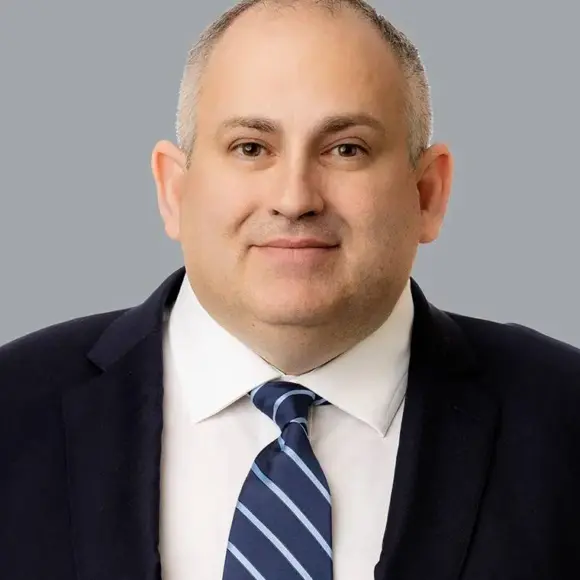
Jeremy Klemanski, MBA
President & CEO

Gregg Dockins, CCJP, LCDC
Corrections Division President
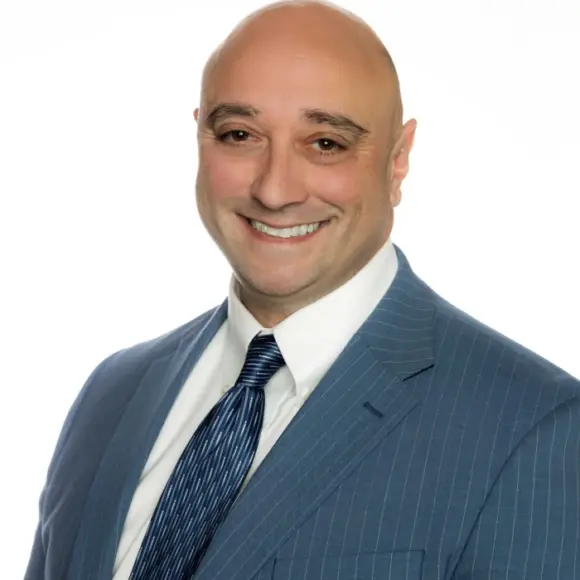
Jim Scarpace, LCPC
President, Community Services Division
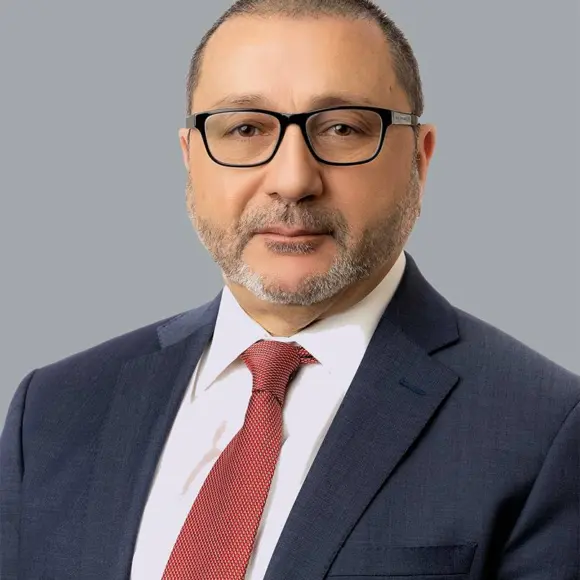
Tomas Del Rio
CFO

Roueen Rafeyan, MD
Chief Medical Officer
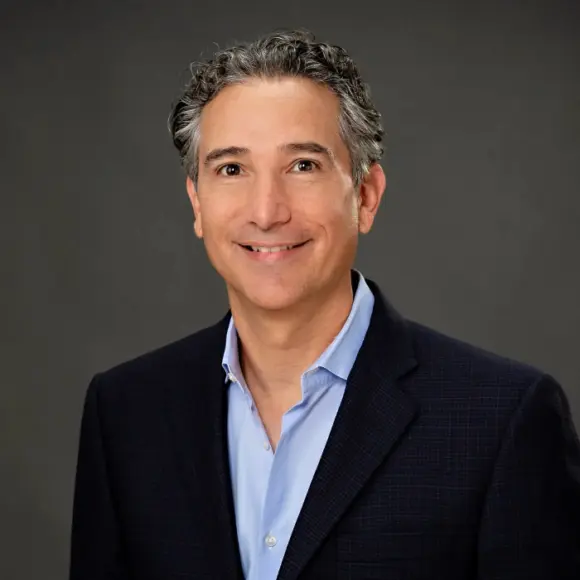
Robert K. Miller, MBA
CMO
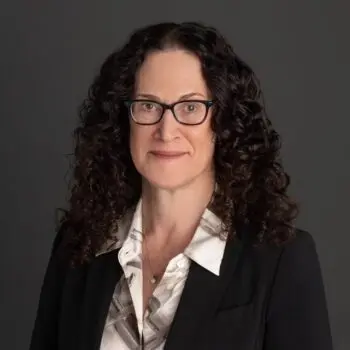
Deborah G. Solmor, J.D., CCEP
General Counsel
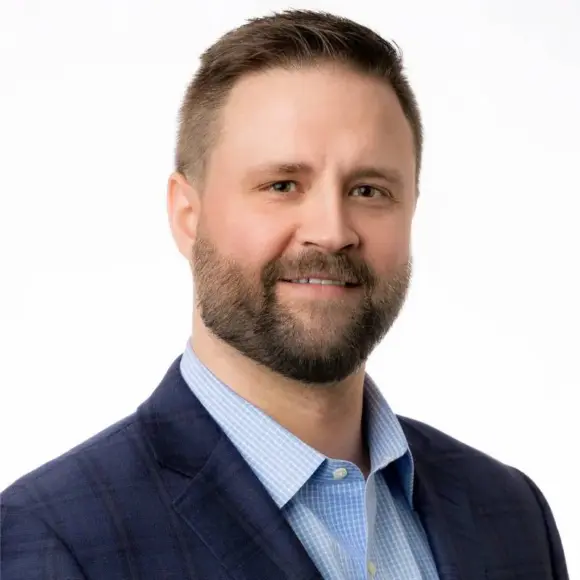
Alex Zozulia
CIO
Accreditations

The Joint Commission, formerly known as JCAHO, is a nonprofit organization that accredits rehab organizations and programs. Founded in 1951, the Joint Commision's mission is to improve the quality of patient care and demonstrating the quality of patient care.
Joint Commission Accreditation: Yes
Rehab.com regularly reviews this listing for accuracy but changes may occur between updates. For the most up-to-date information, please contact Gateway Foundation.
Contact Information

11 South Capitol Street
Pekin, IL 61554
Get Help Now - 309-322-3008
Sponsored Helpline
Sponsored Helpline


