






























































































I was in serenity Mountain from September 2022 to October 2022. This is the most amazing rehab ever. I’ve never been to a rehab before, but this place is absolutely amazingly beautiful. Thank you for everything you have done for me. It helped me. God bless.
About Serenity Mountain Recovery Center
They accept insurance from many major carriers and will work with your insurance even if it isn’t in network.
There are three programs you can choose from. They offer a partial hospitalization program (PHP), an intensive outpatient program (IOP), and a regular outpatient program. The PHP is five days a week for five hours per day, while the IOP is 3-5 days per week for 3-5 hours per day. The regular outpatient program is 1-3 days per week for 1-3 hours per day.
All the programs address women’s issues such as partner relationships, general relationships, sexuality, and parenting. A common thread for women with substance use disorder includes growing up in households where sexual, physical, or substance abuse was prevalent. The programs help you recover from these difficult childhood experiences.
They put a special emphasis on sexual health which includes living a life true to yourself. You’ll work on improving your physical, emotional, and mental health for better intimate relationships. They also take pregnant women until their second trimester. Many women are already parents. If that’s the case for you, you’ll have access to parenting classes to strengthen the bond with your child or children.
You’ll have a customized treatment plan depending on the type and severity of your substance use and mental illness. Many people with substance use also have co-occurring disorders such as anxiety, depression, or bipolar disorder. One of the most important parts of treating your substance use is identifying any co-occurring disorders. It’s often the mental health issues that drive substance use, so getting any underlying conditions treated makes substance use treatment more effective.
You’ll engage in different treatment options such as cognitive behavioral therapy (CBT), dialectical behavioral therapy (DBT), trauma counseling, and group therapy. You’ll learn about and participate in 12 Step groups. There are also optional faith-based groups and holistic therapies such as trauma yoga therapy, music, and art therapy.
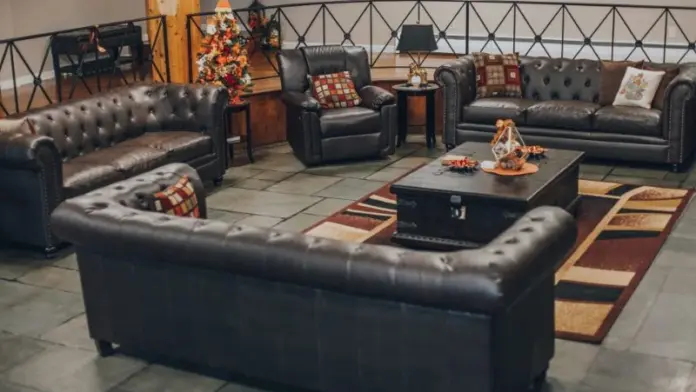
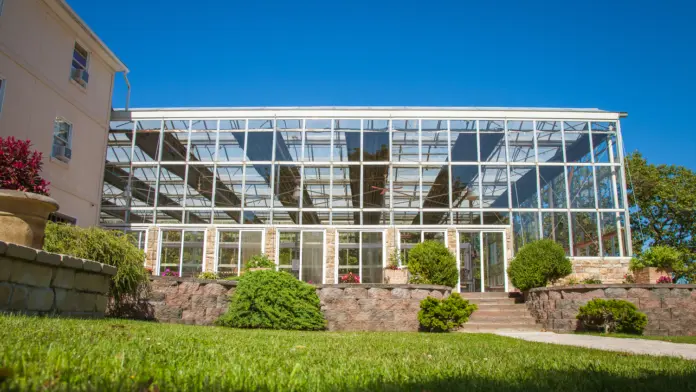
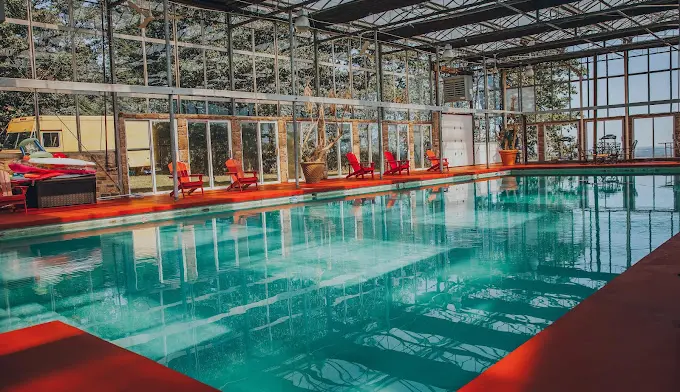
According to former clients, the surroundings were quite stunning. The staff was noted as being caring and attentive.
Latest Reviews
I truly enjoyed my experience at Serenity Mountain Recovery Center. From the moment I arrived, the atmosphere was peaceful, welcoming, and incredibly therapeutic. The beautiful mountain views, nature walks, fun outings, and amazing women’s meetings created an environment where healing felt possible.
My counseling sessions with Jenna were life-changing. She helped put my mind at ease, introduced me to CBT in a way I could truly apply, and supported my personal growth every step of the way. The groups led by Christina, Ariel, and Jenna on topics like codependency, neuroplasticity, and shadow work were insightful, informative, and helped me better understand myself and my recovery.
The house staff, especially Nicole, Tiffany, and Mariah, made me feel safe, supported, and truly at home. Pastor Laurie also had a profound impact on my journey, helping me strengthen my faith through her Christian group and the Recovery Bible she gifted us. Being able to connect Scripture with my recovery was incredibly meaningful.
A special thank you to Sandy, who runs the program. She is genuinely one of the kindest, most compassionate, and selfless people I’ve ever met. Her heart for helping others is evident in everything she does.
Most importantly, I left Serenity with lifelong friendships, a stronger foundation in recovery, and hope for the future. I have grown tremendously, and I will always be grateful to Serenity Mountain Recovery Center for helping me begin this next chapter of my life.
Michele L Russell
Reviewed on 07/23/2026
I was in serenity Mountain from September 2022 to October 2022. This is the most amazing rehab ever. I’ve never been to a rehab before, but this place is absolutely amazingly beautiful.
Thank you for everything you have done for me. It helped me. God bless.
It's everything I imagined it would be. Spiritual growth and personal growth I have received. My counselor Jenna (God bless her) has working with me patiently through my different stages of sobriety. Serenity Mountain has opened so many doors of opportunity for me. The staff Missy, Nichole, Mariah, and Laverne are awesome. I love everyone of them. Thank you Sandy for this gift of Sobriety. This truly is a one of a kind facility.
Response from the owner1 week ago
We'd like to learn more about your experience. Please call Sandi at (877) 463-7686. We welcome your feedback. 
Rehab Score
 Our Methodology
Scoring is assigned by a proprietary system which helps surface key metrics that determine quality. The 10-point scale factors in categories such as operations, customer satisfaction, and trust metrics. Read Full Methodology

7.9 / 10
Gallery


Accepted Insurance
Other Forms of Payment
Private insurance refers to any kind of healthcare coverage that isn't from the state or federal government. This includes individual and family plans offered by an employer or purchased from the Insurance Marketplace. Every plan will have different requirements and out of pocket costs so be sure to get the full details before you start treatment.
Self-pay involves paying for treatment out of your own pocket. You can use savings or credit, get a personal loan, or receive help from family and friends to fund your treatment. If you don't have insurance or your insurance plan doesn't cover a specific program, self-pay can help ensure you still get the care you need.
Medicaid is a state based program that helps lower-income individuals and families pay for healthcare. Medicaid covers addiction treatment so those enrolled can use their coverage to pay for rehab. When a program accepts Medicaid the client often pays very little or nothing out of their own pocket.
Addiction Treatments
Levels of Care
Outpatient Programs (OP) are for those seeking mental rehab or drug rehab, but who also stay at home every night. The main difference between outpatient treatment (OP) and intensive outpatient treatment (IOP) lies in the amount of hours the patient spends at the facility. Most of the time an outpatient program is designed for someone who has completed an inpatient stay and is looking to continue their growth in recovery. Outpatient is not meant to be the starting point, it is commonly referred to as aftercare.
Residential treatment programs are those that offer housing and meals in addition to substance abuse treatment. Rehab facilities that offer residential treatment allow patients to focus solely on recovery, in an environment totally separate from their lives. Some rehab centers specialize in short-term residential treatment (a few days to a week or two), while others solely provide treatment on a long-term basis (several weeks to months). Some offer both, and tailor treatment to the patient's individual requirements.
Clients engaged in intensive outpatient programs (IOP) live and work in their home community while receiving frequent, high-level care. These programs offer personalized care designed to evolve with the clients' changing needs. Many intensive outpatient rehabs require a minimum of nine hours of treatment per week, but high-risk clients and those in early recovery may receive up to 20 hours of care weekly. IOP services generally include addiction counseling, recovery education, and holistic therapies, such as massage.
Clients receiving services from a rehab aftercare program are usually stable and in the maintenance phase of recovery, having completed detox and/or intensive inpatient treatment. Rehab aftercare services can vary widely based on clients' individual and evolving needs, but often include peer coaching, relapse prevention support, 12 step program induction, and medical, mental health, and social service referrals. Individual care plans are typically developed by the client in partnership with their case manager and care team.
12-step programs are addiction recovery models based on Alcoholics Anonymous (AA). A number of substance abuse programs (including some drug and alcohol rehab centers) use the 12 steps as a basis for treatment. Beginning steps involve admitting powerlessness over the addiction and creating a spiritual basis for recovery. Middle steps including making direct amends to those who've been hurt by the addiction, and the final step is to assist others in addiction recovery in the same way. 12-Step offshoots including Narcotics Anonymous (NA), Cocaine Anonymous (CA), Dual Recovery Anonymous (DRA), Sex and Love Addicts Anonymous (SLAA) and Gamblers Anonymous (GA).
Sober Living Houses (SLHs), aka sober homes or halfway houses, are safe, substance-free, supportive living facilities for those recovering from substance abuse. Ideal for those who've just been through inpatient or outpatient treatment, SLHs are supervised environments with rules that support sobriety, such as curfews, shared chores, and therapeutic meetings. Residents are also often trained on life skills and coping skills to make it easier to transition into society. SLHs also provide a strong sense of community that can lead to the kind of deep and lasting connections with other sober individuals that supports a new, healthy lifestyle.
Treatments
Substance rehabs focus on helping individuals recover from substance abuse, including alcohol and drug addiction (both illegal and prescription drugs). They often include the opportunity to engage in both individual as well as group therapy.
Programs
Young adulthood can be an exciting, yet difficult, time of transition. Individuals in their late teens to mid-20s face unique stressors related to school, jobs, families, and social circles, which can lead to a rise in substance use. Rehab centers with dedicated young adult programs will include activities and amenities that cater to this age group, with an emphasis on specialized counseling, peer socialization, and ongoing aftercare.
Recovery is most successful when clients feel accepted and validated by their peers and treatment providers. Facilities that offer LGBTQ-inclusive programming are committed to creating a safe space where everyone can grow and recover without fear of judgment or discrimination. They will have dedicated policies in place to create a safe and supportive environment that fosters free expression.
Serving in the military is both mentally and physically challenging, and can result in trauma that persists even after combat ends. Military programs are tailored to the specific and often complex needs of active duty personnel, veterans, and military families. Clients often access these programs through the U.S. Department of Veterans Affairs (VA).
Clinical Services
Cognitive behavioral therapy (CBT) in Pennsylvania can be helpful to individuals who are experiencing substance use disorder and various mental health conditions. It helps you identify damaging thought and behavior patterns and replace them with healthy ones.
Group therapy is any therapeutic work that happens in a group (not one-on-one). There are a number of different group therapy modalities, including support groups, experiential therapy, psycho-education, and more. Group therapy involves treatment as well as processing interaction between group members.
In individual therapy, a patient meets one-on-one with a trained psychologist or counselor. Therapy is a pivotal part of effective substance abuse treatment, as it often covers root causes of addiction, including challenges faced by the patient in their social, family, and work/school life.
Motivational interviewing in Pennsylvania gives you the opportunity to share your perspective and explore your ideas and motivation for change. Your therapist will walk you through the four steps of engaging, focusing, evoking, and planning to empower you to make any desired changes in your life.
Trauma therapy addresses traumatic incidents from a client's past that are likely affecting their present-day experience. Trauma is often one of the primary triggers and potential causes of addiction, and can stem from child sexual abuse, domestic violence, having a parent with a mental illness, losing one or both parents at a young age, teenage or adult sexual assault, or any number of other factors. The purpose of trauma therapy is to allow a patient to process trauma and move through and past it, with the help of trained and compassionate mental health professionals.
Couples therapy in Pennsylvania is typically short term treatment that focuses on building skills that lead to positive long term relationship changes. Sessions with the therapist may occur both jointly and individually.
Family therapy teaches individual family members in Pennsylvania the benefits of collectively combating addiction. Therapists help individual members establish healthy boundaries between themselves and their loved one who is struggling with addiction. This helps improve emotional support systems and creates a bond so families work together to sustain long term recovery.
Accreditations

LegitScript has reviewed Serenity Mountain Recovery Center as part of their certification program, and has determined that it meets the LegitScript standards for legality, safety and transparency.
LegitScript verified in November 2020

The Joint Commission, formerly known as JCAHO, is a nonprofit organization that accredits rehab organizations and programs. Founded in 1951, the Joint Commision's mission is to improve the quality of patient care and demonstrating the quality of patient care.
Joint Commission Accreditation: Yes
Rehab.com regularly reviews this listing for accuracy but changes may occur between updates. For the most up-to-date information, please contact Serenity Mountain Recovery Center.
Contact Information

94 Adams Dr
Waymart, PA 18472
Get Help Now - 267-450-9996
Sponsored Helpline
Sponsored Helpline



