






























































































After reading all of the reviews, I am so thankful for that psychic shift in perspective that the Big Book of AA speaks of! I believe that if someone is not ready to make the change necessary for longterm sobriety then their experience would be jaded, as it sounds in some o ...
About Grace Way Recovery
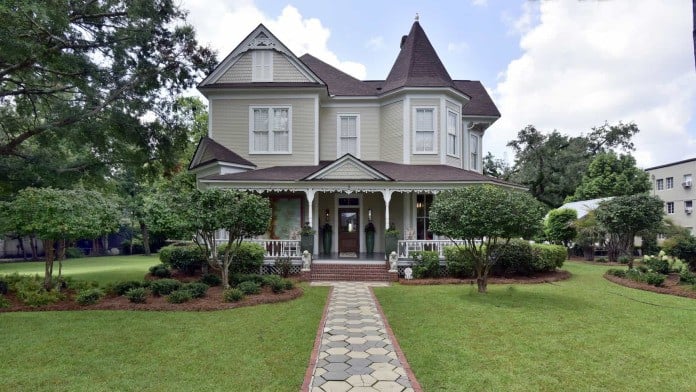
Grace Way Recovery is a women-focused, non-profit recovery residence and addiction treatment program serving Albany and Dougherty County, Georgia.
The program supports women navigating substance use disorders, including alcohol and drug addiction, through residential care, sober living and abstinence based 12 step recovery support.
Grace Way Recovery is built around the belief that women recover best in a structured, supportive environment tailored to their unique needs and experiences.
Women Centered Residential Recovery in Albany
Grace Way Recovery specializes in long-term residential care designed specifically for adult and young adult women.
As a women-only program associated with South Georgia’s recovery community, it offers a safe, focused space to build a foundation for lasting sobriety.
Treatment draws on the 12 step model alongside individual, group and family therapy, plus experiential options like animal therapy.
Life skills training, nutrition therapy and a recreation room round out a program that addresses both the roots of addiction and the practical tools for daily living.
The Way Sober Living Apartments
For women stepping down from residential treatment, The Way Sober Living Apartments provide structured, monitored independent living.
This continuum helps women reinforce recovery skills while regaining independence, supported by aftercare and relapse prevention resources.
Women’s Reentry Support in Georgia
Grace Way Recovery offers in-person residential and sober living services in Albany, Georgia, serving women throughout Dougherty County.
Listed by the Georgia Department of Community Supervision as a reentry resource, it may be especially relevant for justice involved women seeking structured recovery housing.
The program accepts self-pay.
Facility Overview
 20
20 Number of Available Beds
Latest Reviews
Reviewed on 12/07/2018
After reading all of the reviews, I am so thankful for that psychic shift in perspective that the Big Book of AA speaks of! I believe that if someone is not ready to make the change necessary for longterm sobriety then their experience would be jaded, as it sounds in some of the reviews. For me though, GraceWay was the stepping stone in my journey to sobriety. GraceWay helped me see the parts of me that I desperately needed to change in order to have a fighting chance of remaining sober. The staff were compassionate and honest. I learned how to practice the principles behind each step. I learned how to be an honest person with integrity. I learned how to be a caring daughter, sister, and friend. I learned how to take responsibility for myself and my recovery. I also learned time management, budgeting, how to cook, clean, and take care of my living environment. GraceWay saved my life, and I would recommend it to you or your loved ones.
Reviewed on 10/17/2018
GraceWay with absolute certainty restored my family and saved my life. I'm forever grateful for the family of GraceWay.
Reviewed on 02/20/2018
Graceway has given me the chance to learn how to live a sober life, an entirely different perspective and way of living. It has given me the foundation to live soberly and deal with life on life's terms. Graceway has given my little girl her mom back, built strong family bonds within my family. Graceway has been a life changing experience for myself and my family. I will forever be grateful for recovery, as well as the chance to be at Graceway.

Rehab Score
 Our Methodology
Scoring is assigned by a proprietary system which helps surface key metrics that determine quality. The 10-point scale factors in categories such as operations, customer satisfaction, and trust metrics. Read Full Methodology

4.6 / 10
Gallery
Other Forms of Payment
Self-pay involves paying for treatment out of your own pocket. You can use savings or credit, get a personal loan, or receive help from family and friends to fund your treatment. If you don't have insurance or your insurance plan doesn't cover a specific program, self-pay can help ensure you still get the care you need.
 Monthly
Medicare is a federal program that provides health insurance for those 65 and older. It also serves people under 65 with chronic and disabling health challenges. To use Medicare for addiction treatment you need to find a program that accepts Medicare and is in network with your plan. Out of pocket costs and preauthorization requirements vary, so always check with your provider.
Medicaid is a state based program that helps lower-income individuals and families pay for healthcare. Medicaid covers addiction treatment so those enrolled can use their coverage to pay for rehab. When a program accepts Medicaid the client often pays very little or nothing out of their own pocket.
Addiction Treatments
Levels of Care
Residential treatment programs are those that offer housing and meals in addition to substance abuse treatment. Rehab facilities that offer residential treatment allow patients to focus solely on recovery, in an environment totally separate from their lives. Some rehab centers specialize in short-term residential treatment (a few days to a week or two), while others solely provide treatment on a long-term basis (several weeks to months). Some offer both, and tailor treatment to the patient's individual requirements.
12-step programs are addiction recovery models based on Alcoholics Anonymous (AA). A number of substance abuse programs (including some drug and alcohol rehab centers) use the 12 steps as a basis for treatment. Beginning steps involve admitting powerlessness over the addiction and creating a spiritual basis for recovery. Middle steps including making direct amends to those who've been hurt by the addiction, and the final step is to assist others in addiction recovery in the same way. 12-Step offshoots including Narcotics Anonymous (NA), Cocaine Anonymous (CA), Dual Recovery Anonymous (DRA), Sex and Love Addicts Anonymous (SLAA) and Gamblers Anonymous (GA).
Completing a drug or alcohol rehab program shouldn't spell the end of substance abuse treatment. Aftercare involves making a sustainable plan for recovery, including ongoing support. This can include sober living arrangements like halfway houses, career counseling, and setting a patient up with community programs like Alcoholics Anonymous (AA) or Narcotics Anonymous (NA).
GraceWay Recovery also offers a sober living home for those who had completed the residential treatment. The Way Sober Living Apartments is committed to providing women with monitored and structured independent living while also incorporating recovery support services to encourage long-term sobriety.
Treatments
The goal of treatment for alcoholism is abstinence. Those with poor social support, poor motivation, or psychiatric disorders tend to relapse within a few years of treatment. For these people, success is measured by longer periods of abstinence, reduced use of alcohol, better health, and improved social functioning. Recovery and Maintenance are usually based on 12 step programs and AA meetings.
A quality drug rehab in Georgia can help you overcome addiction. This environment is designed to help you address the complex issues contributing to drug dependence. The goal of treatment is to give you the tools you need to make a full recovery.
Substance rehabs focus on helping individuals recover from substance abuse, including alcohol and drug addiction (both illegal and prescription drugs). They often include the opportunity to engage in both individual as well as group therapy.
Programs
Adult rehab programs include therapies tailored to each client's specific needs, goals, and recovery progress. They are tailored to the specific challenges adult clients may face, including family and work pressures and commitments. From inpatient and residential treatment to various levels of outpatient services, there are many options available. Some facilities also help adults work through co-occurring conditions, like anxiety, that can accompany addiction.
Young adulthood can be an exciting, yet difficult, time of transition. Individuals in their late teens to mid-20s face unique stressors related to school, jobs, families, and social circles, which can lead to a rise in substance use. Rehab centers with dedicated young adult programs will include activities and amenities that cater to this age group, with an emphasis on specialized counseling, peer socialization, and ongoing aftercare.
Clinical Services
Animal therapy (aka pet therapy or animal-assisted therapy) can be very healing, as it allows patients to bond with animals, who give unconditional love. This is particularly useful for those who suffered trauma by the hands of people, who may be able to trust and form closer attachments to animals than humans at certain stages of rehabilitation.
Experiential therapy is a form of therapy in which clients are encouraged to surface and work through subconscious issues by engaging in real-time experiences. Experiential therapy departs from traditional talk therapy by involving the body, and having clients engage in activities, movements, and physical and emotional expression. This can involve role-play or using props (which can include other people). Experiential therapy can help people process trauma, memories, and emotion quickly, deeply, and in a lasting fashion, leading to substantial and impactful healing.
Research clearly demonstrates that recovery is far more successful and sustainable when loved ones like family members participate in rehab and substance abuse treatment. Genetic factors may be at play when it comes to drug and alcohol addiction, as well as mental health issues. Family dynamics often play a critical role in addiction triggers, and if properly educated, family members can be a strong source of support when it comes to rehabilitation.
Group therapy is any therapeutic work that happens in a group (not one-on-one). There are a number of different group therapy modalities, including support groups, experiential therapy, psycho-education, and more. Group therapy involves treatment as well as processing interaction between group members.
In individual therapy, a patient meets one-on-one with a trained psychologist or counselor. Therapy is a pivotal part of effective substance abuse treatment, as it often covers root causes of addiction, including challenges faced by the patient in their social, family, and work/school life.
Life skills trainings involve all the skills a person must have in order to function successfully in the world. These include time management, career guidance, money management, and effective communication. Truly successful addiction recovery is based on the ability to not only live substance-free, but to thrive. Life skills teaches the practical necessities of functioning in society, which sets clients up for success in life, and therefore sobriety.
Nutrition therapy, aka medical nutrition therapy (MNT), is a way of treating physical, emotional, and medical conditions through diet. Specific dietary plans are designed by professional nutritionists or registered dietitians, and patients follow them in order to positively affect their physical and mental health.
Rehab.com regularly reviews this listing for accuracy but changes may occur between updates. For the most up-to-date information, please contact Grace Way Recovery.
Contact Information

412 West Tift Avenue
Albany, GA 31701
Get Help Now - 229-228-0567
Sponsored Helpline
Sponsored Helpline
