I wouldn't want to return to this place, they are rude, disrespectful and have no manners, they don't remember that their patients are people with serious problems that need their help, so they should treat them in the best way.
About Hamilton Center
Hamilton Center is an addiction treatment center in Spencer, Indiana. They’ve been serving adults who are dealing with addiction and mental health problems in Indiana since 1971.
The Matrix Model Intensive Outpatient Program
Their outpatient rehab includes the Matrix Model, an intensive outpatient program that ties education groups, relapse prevention groups and social-support groups to individual counseling and substance screening. They’ll offer education for family members and twelve step meetings. You can get intensive outpatient care, which takes more hours than weekly counseling.
CBT, DBT and Motivational Interviewing
They’ll use dialectical behavior therapy, cognitive behavior therapy, motivational interviewing and relapse prevention training.
They’ll take insurance, Medicaid, Medicare or another managed care plan. Costs may be adjusted for Indiana residents based on family income, family size and clinical diagnosis.
Their residential and inpatient services are in Terre Haute, in Vigo County.
Rehab Score
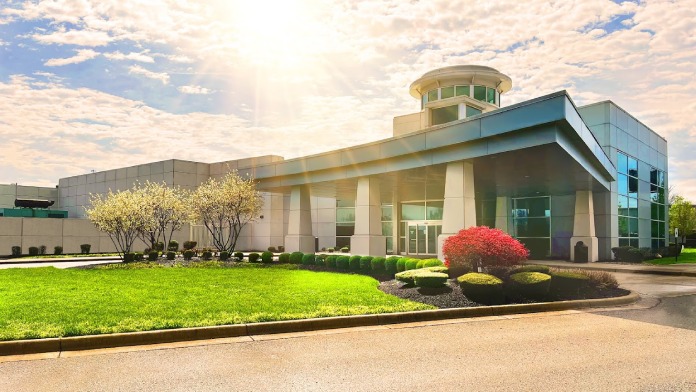
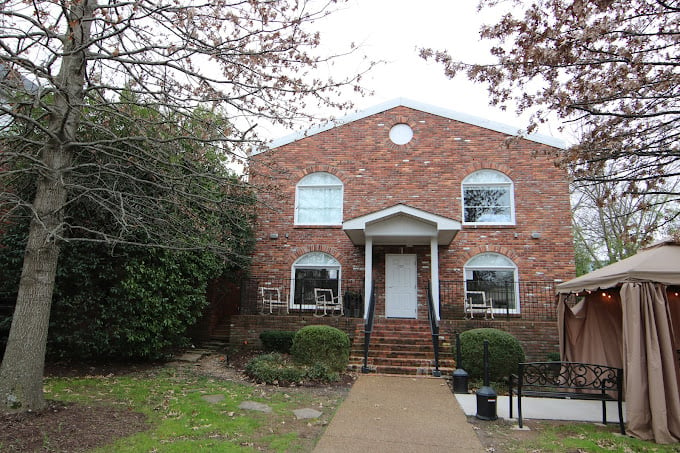
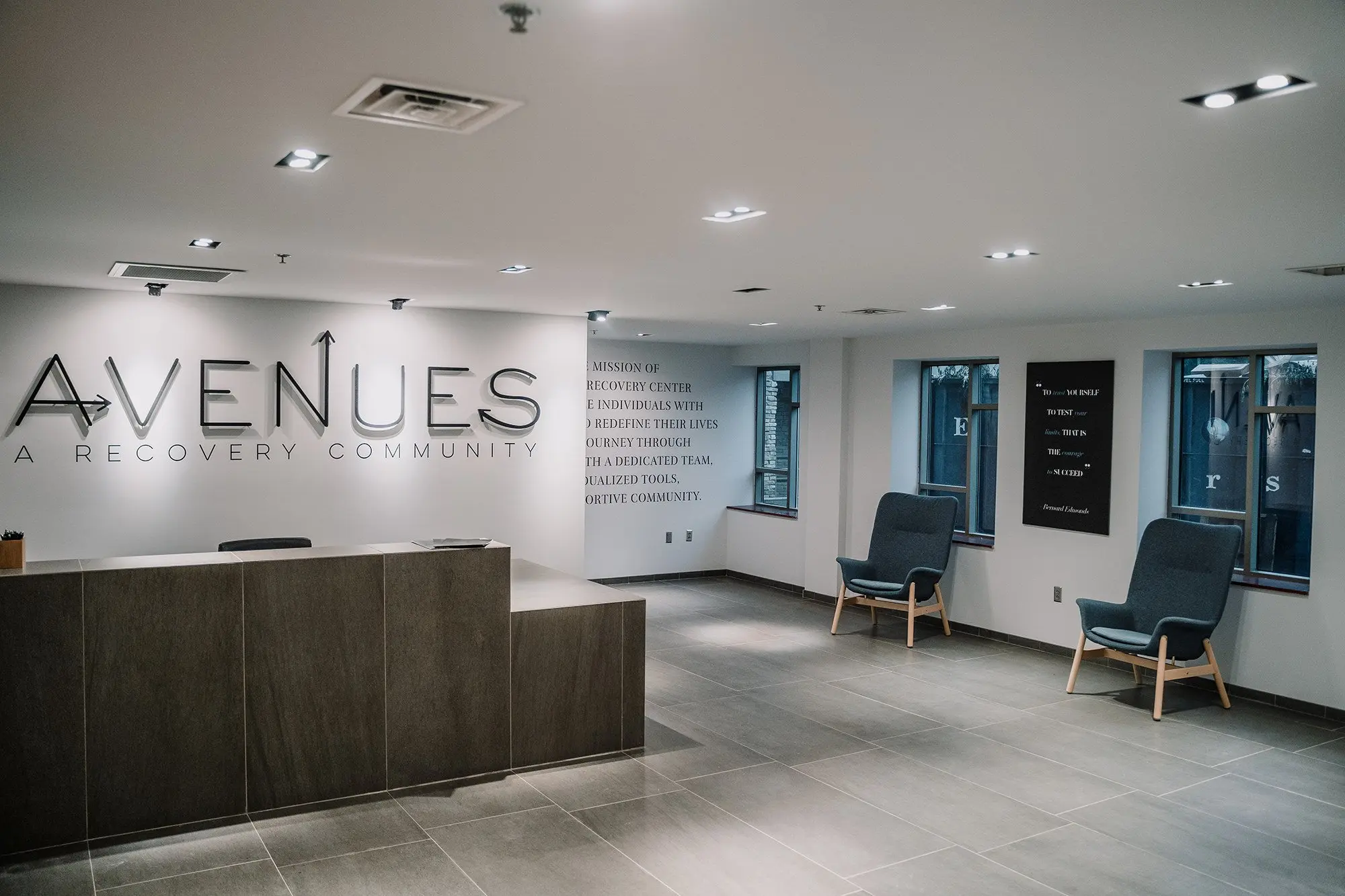
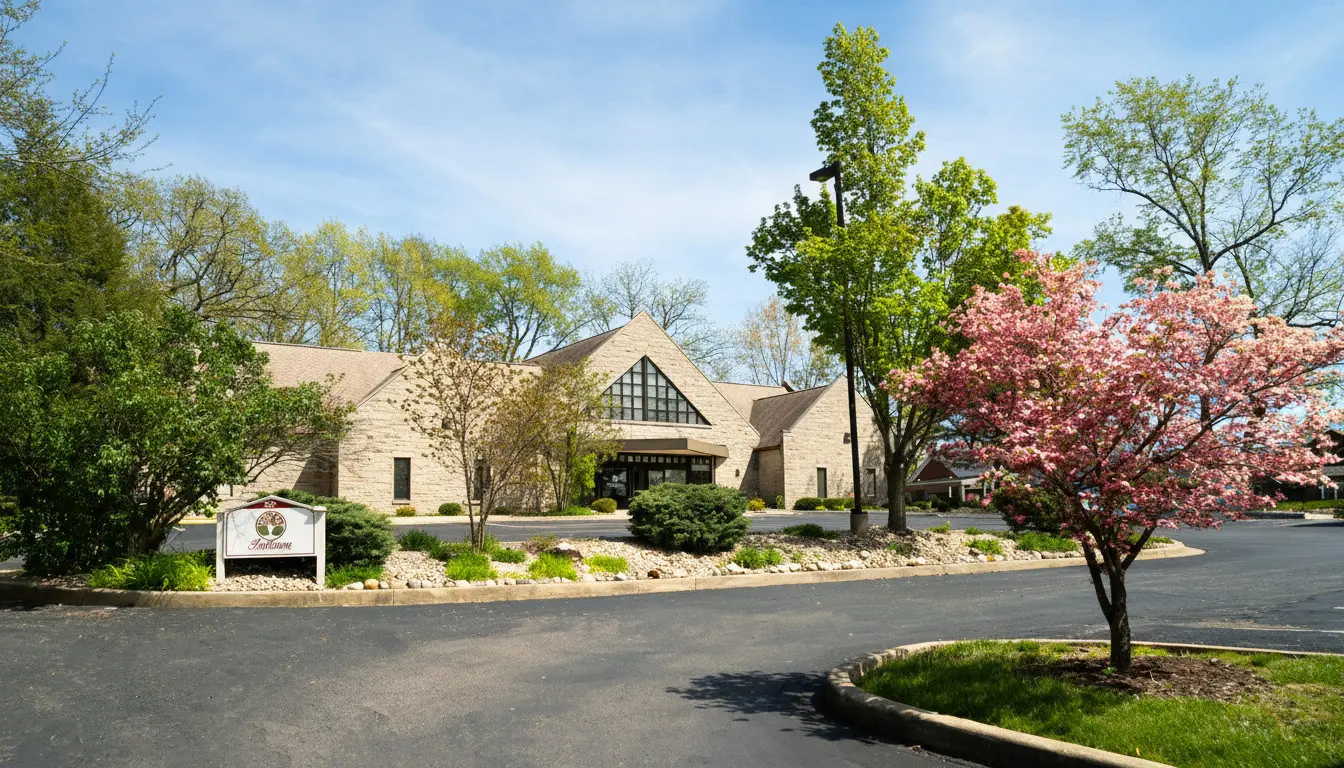
Gallery
Accepted Insurance
Other Forms of Payment
Medicaid is a state based program that helps lower-income individuals and families pay for healthcare. Medicaid covers addiction treatment so those enrolled can use their coverage to pay for rehab. When a program accepts Medicaid the client often pays very little or nothing out of their own pocket.
Private insurance refers to any kind of healthcare coverage that isn't from the state or federal government. This includes individual and family plans offered by an employer or purchased from the Insurance Marketplace. Every plan will have different requirements and out of pocket costs so be sure to get the full details before you start treatment.
Self-pay involves paying for treatment out of your own pocket. You can use savings or credit, get a personal loan, or receive help from family and friends to fund your treatment. If you don't have insurance or your insurance plan doesn't cover a specific program, self-pay can help ensure you still get the care you need.
Financial aid can take many forms. Centers may have grants or scholarships available to clients who meet eligibility requirements. Programs that receive SAMHSA grants may have financial aid available for those who need treatment as well. Grants and scholarships can help you pai for treatment without having to repay.
Sliding scale payments are based on a client's income and family size. The goal is to make treatment affordable to everyone. By taking these factors into account, addiction recovery care providers help ensure that your treatment does not become a financial burden to you or your family, eliminating one barrier to care.
Medicare is a federal program that provides health insurance for those 65 and older. It also serves people under 65 with chronic and disabling health challenges. To use Medicare for addiction treatment you need to find a program that accepts Medicare and is in network with your plan. Out of pocket costs and preauthorization requirements vary, so always check with your provider.
Military members, veterans, and eligible dependents have access to specific insurance programs that help them get the care they need. TRICARE and VA insurance can help you access low cost or no cost addiction and mental health treatment. Programs that accept military insurance often have targeted treatment focused on the unique challenges military members, veterans, and their families face.
Addiction Treatments
Levels of Care
Outpatient programs run in each community the organization serves across central and west central Indiana, which keeps the care close to home.
The Matrix Model is the intensive outpatient track here. It bundles relapse prevention groups, education and support groups, individual counseling, and family education.
12-step programs are addiction recovery models based on Alcoholics Anonymous (AA). A number of substance abuse programs (including some drug and alcohol rehab centers) use the 12 steps as a basis for treatment. Beginning steps involve admitting powerlessness over the addiction and creating a spiritual basis for recovery. Middle steps including making direct amends to those who've been hurt by the addiction, and the final step is to assist others in addiction recovery in the same way. 12-Step offshoots including Narcotics Anonymous (NA), Cocaine Anonymous (CA), Dual Recovery Anonymous (DRA), Sex and Love Addicts Anonymous (SLAA) and Gamblers Anonymous (GA).
Treatments
The goal of treatment for alcoholism is abstinence. Those with poor social support, poor motivation, or psychiatric disorders tend to relapse within a few years of treatment. For these people, success is measured by longer periods of abstinence, reduced use of alcohol, better health, and improved social functioning. Recovery and Maintenance are usually based on 12 step programs and AA meetings.
For long-term recovery from drug addiction, drug rehab in Indiana is often key. This treatment gives individuals who are struggling with a substance use disorder the tools to manage their disorder and achieve long-term sobriety.
Many of those suffering from addiction also suffer from mental or emotional illnesses like schizophrenia, bipolar disorder, depression, or anxiety disorders. Rehab and other substance abuse facilities treating those with a dual diagnosis or co-occurring disorder administer psychiatric treatment to address the person's mental health issue in addition to drug and alcohol rehabilitation.
Mental health and substance use care come from the same system. The center serves adults, children, adolescents and families, and the Matrix Model handles addiction through groups, counseling and screening.
Opioid rehabs specialize in supporting those recovering from opioid addiction. They treat those suffering from addiction to illegal opioids like heroin, as well as prescription drugs like oxycodone. These centers typically combine both physical as well as mental and emotional support to help stop addiction. Physical support often includes medical detox and subsequent medical support (including medication), and mental support includes in-depth therapy to address the underlying causes of addiction.
Programs
Adults are among the groups the center serves, alongside children, adolescents and families, so adult behavioral health care is part of what it offers.
At first glance, therapy for someone who identifies as LGBTQ is the same as for someone who does not. They are all susceptible to anxieties, stressors, depression, family tension, and other emotional and mental health concerns that are sometimes a part of simply being human. However, many members of the LGBTQ community experience an additional layer of challenges related to their gender and sexual orientation. Hamilton Center offers special programs for the LGBT community. Services include: individual therapy and therapy groups (LGBT Group and Gender Diversity Group).
Hamilton Center’s MVP program appreciates the dedication and sacrifice required of the current military and the veteran families. The spouses and children of the warriors make up the backbone of the military and ensure that their service members can concentrate on their mission. Once the mission is completed and the veteran returns home, it is the family who helps put the pieces back together. MVP offers mental health and emotional support for issues relating to: PTSD, Frustration Control, Addiction, Grief Counseling, Depression, Anxiety, Anger and Relationship Issues.
Young adulthood can be an exciting, yet difficult, time of transition. Individuals in their late teens to mid-20s face unique stressors related to school, jobs, families, and social circles, which can lead to a rise in substance use. Rehab centers with dedicated young adult programs will include activities and amenities that cater to this age group, with an emphasis on specialized counseling, peer socialization, and ongoing aftercare.
Clinical Services
Cognitive behavioral therapy is among the approaches used, next to motivational interviewing, dialectical behavior therapy and relapse prevention training.
Dialectical behavior therapy is listed alongside cognitive behavioral therapy, motivational interviewing and relapse prevention training in the center's approach.
Research clearly demonstrates that recovery is far more successful and sustainable when loved ones like family members participate in rehab and substance abuse treatment. Genetic factors may be at play when it comes to drug and alcohol addiction, as well as mental health issues. Family dynamics often play a critical role in addiction triggers, and if properly educated, family members can be a strong source of support when it comes to rehabilitation.
Group therapy is any therapeutic work that happens in a group (not one-on-one). There are a number of different group therapy modalities, including support groups, experiential therapy, psycho-education, and more. Group therapy involves treatment as well as processing interaction between group members.
In individual therapy, a patient meets one-on-one with a trained psychologist or counselor. Therapy is a pivotal part of effective substance abuse treatment, as it often covers root causes of addiction, including challenges faced by the patient in their social, family, and work/school life.
Trauma therapy addresses traumatic incidents from a client's past that are likely affecting their present-day experience. Trauma is often one of the primary triggers and potential causes of addiction, and can stem from child sexual abuse, domestic violence, having a parent with a mental illness, losing one or both parents at a young age, teenage or adult sexual assault, or any number of other factors. The purpose of trauma therapy is to allow a patient to process trauma and move through and past it, with the help of trained and compassionate mental health professionals.
Motivational interviewing aims to stimulate the client's personal motivation and commitment to change. Rather than receive advice and warnings from the therapist, the client is given the opportunity to share their concerns and reach their own conclusions.
Amenities
-
Private Setting
Staff & Accreditations
Staff
Melvin L Burks
CEO
Paul Lockhart
President
Amy Hardey
Vice President
Norman F Lowery
Secretary
Mark Baker
Treasurer
Larry Cheeks, Jr.
BOD
Andreas Kummerow
BOD
Bobby Moore
BOD
Accreditations
The Commission on Accreditation of Rehabilitation Facilities (CARF) is a non-profit organization that specifically accredits rehab organizations. Founded in 1966, CARF's, mission is to help service providers like rehab facilities maintain high standards of care.
CARF Accreditation: Yes
Rehab.com regularly reviews this listing for accuracy but changes may occur between updates. For the most up-to-date information, please contact Hamilton Center.
Contact Information
909 West Hillside Avenue
Spencer, IN 47460