Symetria — Hurst Outpatient Rehab & Suboxone Clinic
1
Top 10 Rehab Centers In Hurst





























































































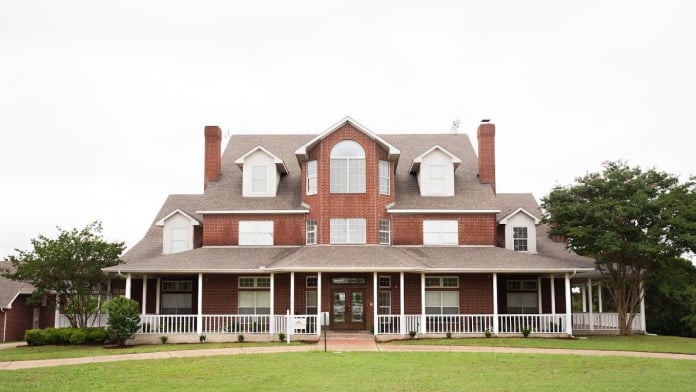
They offer a 10 month class to men who have become homeless due to drugs or other destructive behavior. The classes teach you to live within the tenets of the Christian religion. The programs involve Bible study, devotionals and prayer. Participants are encouraged to use these practices to strengthen their recovery journey.
They also offer work therapy which consists of daily chores. This is designed to teach responsibility. They do not offer standard behavioral therapy here.
In their women’s program, they apply Christian principles to help women overcome addiction to substances. Their services can help women recover from an abusive relationship as well. Women with children can stay in the family cottages. The program is nine months long.
Participants are assigned a case manager who will work with them throughout their stay. They meet with them once a week to gauge progress. There is a graduation ceremony at the end of treatment.
The shelter offers a bed and three meals a day. They also provide a clothing closet. They provide a laundry room and mail services. They can assist with references to permanent housing and vocational training after participants have graduated from the program.
Former clients say this is a great place to start a new life. They say the staff is friendly and devoted to helping residents heal.

 Our Methodology


Self-pay involves paying for treatment out of your own pocket. You can use savings or credit, get a personal loan, or receive help from family and friends to fund your treatment. If you don't have insurance or your insurance plan doesn't cover a specific program, self-pay can help ensure you still get the care you need.
 Free
FreeResidential treatment programs are those that offer housing and meals in addition to substance abuse treatment. Rehab facilities that offer residential treatment allow patients to focus solely on recovery, in an environment totally separate from their lives. Some rehab centers specialize in short-term residential treatment (a few days to a week or two), while others solely provide treatment on a long-term basis (several weeks to months). Some offer both, and tailor treatment to the patient's individual requirements.
Completing a drug or alcohol rehab program shouldn't spell the end of substance abuse treatment. Aftercare involves making a sustainable plan for recovery, including ongoing support. This can include sober living arrangements like halfway houses, career counseling, and setting a patient up with community programs like Alcoholics Anonymous (AA) or Narcotics Anonymous (NA).
24-hour clinical care in Texas provides a safe environment for medical detox. This setting is crucial to provide medical care during withdrawal. Certain withdrawal symptoms can cause life-threatening conditions, but patients in a supervised clinical setting have treatment readily available to address any symptoms before they become severe. Treatment can also be provided for co-occurring physical and mental health issues.
The goal of treatment for alcoholism is abstinence. Those with poor social support, poor motivation, or psychiatric disorders tend to relapse within a few years of treatment. For these people, success is measured by longer periods of abstinence, reduced use of alcohol, better health, and improved social functioning. Recovery and Maintenance are usually based on 12 step programs and AA meetings.
During rehab in Texas, you'll deal with underlying issues that contribute to addiction. By addressing these challenges and learning healthy ways to cope with them, you'll develop strategies that help you live a drug-free lifestyle.
Opioid rehabs specialize in supporting those recovering from opioid addiction. They treat those suffering from addiction to illegal opioids like heroin, as well as prescription drugs like oxycodone. These centers typically combine both physical as well as mental and emotional support to help stop addiction. Physical support often includes medical detox and subsequent medical support (including medication), and mental support includes in-depth therapy to address the underlying causes of addiction.
Substance rehabs focus on helping individuals recover from substance abuse, including alcohol and drug addiction (both illegal and prescription drugs). They often include the opportunity to engage in both individual as well as group therapy.
Adult rehab programs include therapies tailored to each client's specific needs, goals, and recovery progress. They are tailored to the specific challenges adult clients may face, including family and work pressures and commitments. From inpatient and residential treatment to various levels of outpatient services, there are many options available. Some facilities also help adults work through co-occurring conditions, like anxiety, that can accompany addiction.
Men face specific challenges and concerns when seeking addiction treatment. Gender-specific recovery programs help them tackle these issues head-on in an environment that's focused, targeted, and distraction-free. It also gives them the opportunity to connect with and learn from other men who have been through a similar journey and can offer support for the next step.
Rehabs for women provide a safe, nurturing space for female clients to heal. These treatment programs consider the specific obstacles that women can face during recovery and place a special emphasis on mental, social, physical, and reproductive health. They explore how each woman's experience has shaped the trajectory of their substance use, addressing issues such as sexual abuse and past trauma.
Group therapy is any therapeutic work that happens in a group (not one-on-one). There are a number of different group therapy modalities, including support groups, experiential therapy, psycho-education, and more. Group therapy involves treatment as well as processing interaction between group members.
In individual therapy, a patient meets one-on-one with a trained psychologist or counselor. Therapy is a pivotal part of effective substance abuse treatment, as it often covers root causes of addiction, including challenges faced by the patient in their social, family, and work/school life.
Life skills trainings involve all the skills a person must have in order to function successfully in the world. These include time management, career guidance, money management, and effective communication. Truly successful addiction recovery is based on the ability to not only live substance-free, but to thrive. Life skills teaches the practical necessities of functioning in society, which sets clients up for success in life, and therefore sobriety.
 Residential Setting
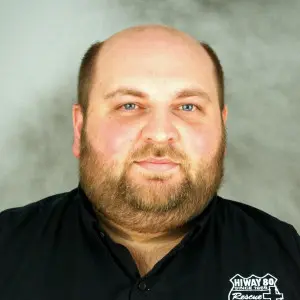
Executive Director
Director of Longview Ministries
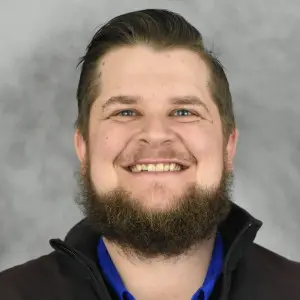
Director of Tyler Ministries
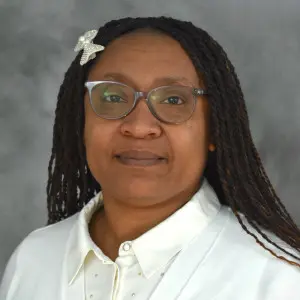
Tyler Program Manager
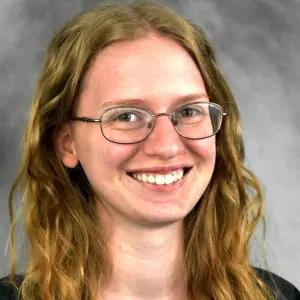
Volunteer Coordinator – Longview
Children’s Ministry Coordinator
Rehab.com regularly reviews this listing for accuracy but changes may occur between updates. For the most up-to-date information, please contact Hiway 80 Rescue Mission.

3117 West Marshall Avenue
Longview, TX 75604
Sponsored Helpline

This mission did a lot for me. Erin Dixon and Jonathon Alford in particular. They are great men and always made sure I was taken care of even if it wasn’t in there job description. If you are willing to commit to bettering yourself, I recommend joining the 10 month discipleship program. Jonathan Alford taught me alot! He is so passionate about this program and the mission! He is so passionate about helping people heal! He is the best teacher I’ve ever had. Jonathon will help you have a new outlook on everything negative in life if you are willing to listen. Words can’t describe this man. This program gives you a chance to step back from all life’s stresses, and get closer to God, and come up with a game plan! Life is hard when you end up having to go here, and this program helps you learn to go about life with God at the wheel, with no worry. The mission fed me, kept me in nice clothes, helped me with my seizure medication, and gave me a bed to sleep in for 10 months! It is a safe place. I was never stolen from.


At the woman’s side They do give good food but not enough I’ve been basically staying hungry and I wouldn’t come here if you don’t have the same beliefs,they push their beliefs on you making you go to Bible study twice a day even if it’s not your belief they give you no choice and will get onto you if you say no,if you don’t agree with going to chapel they say you have to leave so it’s basically do what you’re told or leave and the time between the meals is very long and leaves people hungry and there’s no snacks between,there are some nice people but also a lot of judgement,having shelter is nice but it’s more like a prison and I’ve been sleeping on the floor for days,not many people are willing to speak up here to stir any high waters but a lot of us feel like it’s a prison yet they feel like they have no choice and that it’s what they have to do

 Back
Back
Sharing your insights and experiences can help others learn more about this rehab center.