Get Help Now
Question iconSponsored Helpline
Phone icon 800-641-8351

Hamilton Physician Group – Behavioral Health

1109 Burleyson Rd, #104
Dalton, GA 30720
Claim Profile

About Hamilton Physician Group – Behavioral Health

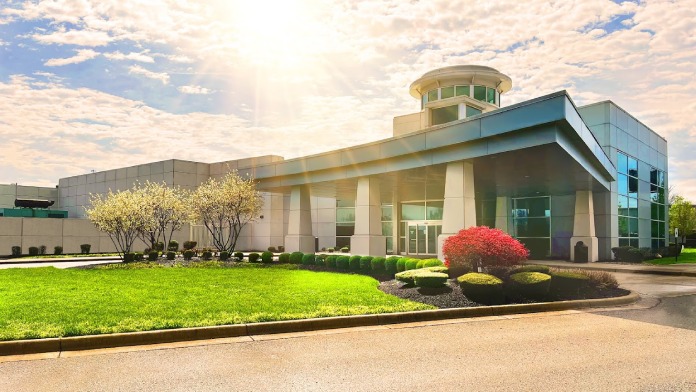
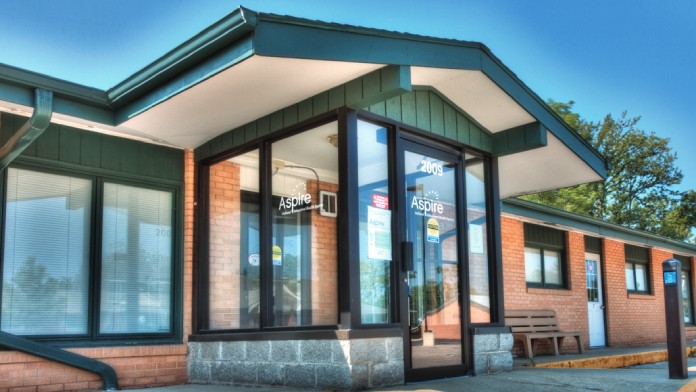
Located in Dalton, Georgia is the Hamilton Physician Group Behavioral Health Center. It operates under the larger Hamilton Medical Center which is now called Vitruvian Health. The facility is in northwestern Dalton, just off 1-75 and US-41 and not far from Haig Mill Lake Park.

This behavioral health center supports men and women as they work through their substance use struggles. The care team here can help you tackle coexisting mental health challenges as well for a well rounded recovery.

This facility accepts policies from most major insurance providers including Medicaid, Medicare, and military coverage such as Humana Military. Their services are offered in an outpatient treatment center but inpatient services are available if you need more robust support.

Clinical Yet Person Focused Care

Although they take a clinical approach to care here, considering it’s a traditional hospital facility, their philosophy is one that’s rooted in helping you achieve recovery with the lowest dosage of the fewest medications possible.

This philosophy gives you insight into how they approach recovery of a substance use or mental health disorder. While they recognize that medical intervention is necessary depending on your circumstances, there’s also a strong focus on helping you make lifestyle changes that will impact your recovery for the better.

Integrated Care for Mental Health Needs in North Georgia

The Hamilton Physician Group is also equipped to handle coexisting mental health struggles that are impacting your recovery. They can do assessments to determine if and what those underlying mental health issues are. Then, appropriate treatments and therapies will be woven into your recovery plan to help you work through these challenges.

Similar Rehab Centers

Latest Reviews

J
2 months ago on Google
4
The care is great once established, but the contact via MyChart leaves little to be desired when the staff don’t get back to you in enough time to get your prescriptions before you run out/the pharmacy runs out of meds. This is more of a systematic issue than a care issue, as there is nobody to answer requests over the weekend… but I don’t clock out on Fridays at 5 from having ADHD, so I feel that someone should be available after hours to fill or at least answer requests if necessary.
Response from the owner1 week ago
We appreciate you sharing your feedback with us. We take all concerns seriously and would like the chance to understand your experience better. Please contact us at hamiltonhealth@hhcs.org with your phone number and the best time for us to reach you.
SMT
3 months ago on Google
5
Hamilton Physician Group is a great place for your mental health needs. Dr Beckner and his nurse Cindy are excellent. I recently had an issue that a staff member went above and beyond to help me with. Her name is Danielle, and she truly cares about people, and is a great example of how one person can make a difference in someone's life. Hamilton Physician Group is blessed to have her as part of their team.
Response from the owner1 week ago
Thank you for sharing!
Jennifer Ellis
3 months ago on Google
5
Dr. Beckner is the best!! In 20 years, he is only one of two good psych doctors I have seen. He really sees you. He hears you. He listens. And he treats you as an individual.
Response from the owner1 week ago
Thank you, Jennifer!
Rehab.com icon

Rehab Score

Question iconOur Methodology
Scoring is assigned by a proprietary system which helps surface key metrics that determine quality. The 10-point scale factors in categories such as operations, customer satisfaction, and trust metrics. Read Full MethodologyCaret icon
Gauge icon
6.4 / 10

Other Forms of Payment

Medicaid is a state based program that helps lower-income individuals and families pay for healthcare. Medicaid covers addiction treatment so those enrolled can use their coverage to pay for rehab. When a program accepts Medicaid the client often pays very little or nothing out of their own pocket.

Private insurance refers to any kind of healthcare coverage that isn't from the state or federal government. This includes individual and family plans offered by an employer or purchased from the Insurance Marketplace. Every plan will have different requirements and out of pocket costs so be sure to get the full details before you start treatment.

Self-pay involves paying for treatment out of your own pocket. You can use savings or credit, get a personal loan, or receive help from family and friends to fund your treatment. If you don't have insurance or your insurance plan doesn't cover a specific program, self-pay can help ensure you still get the care you need.

Financial aid can take many forms. Centers may have grants or scholarships available to clients who meet eligibility requirements. Programs that receive SAMHSA grants may have financial aid available for those who need treatment as well. Grants and scholarships can help you pai for treatment without having to repay.

Medicare is a federal program that provides health insurance for those 65 and older. It also serves people under 65 with chronic and disabling health challenges. To use Medicare for addiction treatment you need to find a program that accepts Medicare and is in network with your plan. Out of pocket costs and preauthorization requirements vary, so always check with your provider.

Military members, veterans, and eligible dependents have access to specific insurance programs that help them get the care they need. TRICARE and VA insurance can help you access low cost or no cost addiction and mental health treatment. Programs that accept military insurance often have targeted treatment focused on the unique challenges military members, veterans, and their families face.

Addiction Treatments

Levels of Care

Outpatient Programs (OP) are for those seeking mental rehab or drug rehab, but who also stay at home every night. The main difference between outpatient treatment (OP) and intensive outpatient treatment (IOP) lies in the amount of hours the patient spends at the facility. Most of the time an outpatient program is designed for someone who has completed an inpatient stay and is looking to continue their growth in recovery. Outpatient is not meant to be the starting point, it is commonly referred to as aftercare.

Residential treatment programs are those that offer housing and meals in addition to substance abuse treatment. Rehab facilities that offer residential treatment allow patients to focus solely on recovery, in an environment totally separate from their lives. Some rehab centers specialize in short-term residential treatment (a few days to a week or two), while others solely provide treatment on a long-term basis (several weeks to months). Some offer both, and tailor treatment to the patient's individual requirements.

Treatments

Many of those suffering from addiction also suffer from mental or emotional illnesses like schizophrenia, bipolar disorder, depression, or anxiety disorders. Rehab and other substance abuse facilities treating those with a dual diagnosis or co-occurring disorder administer psychiatric treatment to address the person's mental health issue in addition to drug and alcohol rehabilitation.

Mental health rehabs focus on helping individuals recover from mental illnesses like bipolar disorder, clinical depression, anxiety disorders, schizophrenia, and more. Mental health professionals at these facilities are trained to understand and treat mental health issues, both in individual and group settings.

Alcoholism is a pattern of alcohol use that involves continued drinking even when it causes problems. Alcoholism is also characterized by a physical dependence on alcohol, which causes the body to experience withdrawal symptoms when alcohol is not present. Due to this physical dependence, medically-supervised detox is often necessary to safely recover from alcoholism. Alcohol rehab in Georgia offers a three-step process of detox, rehab, and maintenance to help individuals recover from alcohol addiction.

Programs

Adult rehab programs include therapies tailored to each client's specific needs, goals, and recovery progress. They are tailored to the specific challenges adult clients may face, including family and work pressures and commitments. From inpatient and residential treatment to various levels of outpatient services, there are many options available. Some facilities also help adults work through co-occurring conditions, like anxiety, that can accompany addiction.

Young adulthood can be an exciting, yet difficult, time of transition. Individuals in their late teens to mid-20s face unique stressors related to school, jobs, families, and social circles, which can lead to a rise in substance use. Rehab centers with dedicated young adult programs will include activities and amenities that cater to this age group, with an emphasis on specialized counseling, peer socialization, and ongoing aftercare.

Clinical Services

Cognitive Behavioral Therapy (CBT) is a therapy modality that focuses on the relationship between one's thoughts, feelings, and behaviors. It is used to establish and allow for healthy responses to thoughts and feelings (instead of unhealthy responses, like using drugs or alcohol). CBT has been proven effective for recovering addicts of all kinds, and is used to strengthen a patient's own self-awareness and ability to self-regulate. CBT allows individuals to monitor their own emotional state, become more adept at communicating with others, and manage stress without needing to engage in substance abuse.

Whether a marriage or other committed relationship, an intimate partnership is one of the most important aspects of a person's life. Drug and alcohol addiction affects both members of a couple in deep and meaningful ways, as does rehab and recovery. Couples therapy and other couples-focused treatment programs are significant parts of exploring triggers of addiction, as well as learning how to build healthy patterns to support ongoing sobriety.

Experiential therapy is a form of therapy in which clients are encouraged to surface and work through subconscious issues by engaging in real-time experiences. Experiential therapy departs from traditional talk therapy by involving the body, and having clients engage in activities, movements, and physical and emotional expression. This can involve role-play or using props (which can include other people). Experiential therapy can help people process trauma, memories, and emotion quickly, deeply, and in a lasting fashion, leading to substantial and impactful healing.

Research clearly demonstrates that recovery is far more successful and sustainable when loved ones like family members participate in rehab and substance abuse treatment. Genetic factors may be at play when it comes to drug and alcohol addiction, as well as mental health issues. Family dynamics often play a critical role in addiction triggers, and if properly educated, family members can be a strong source of support when it comes to rehabilitation.

Group therapy is any therapeutic work that happens in a group (not one-on-one). There are a number of different group therapy modalities, including support groups, experiential therapy, psycho-education, and more. Group therapy involves treatment as well as processing interaction between group members.

In individual therapy, a patient meets one-on-one with a trained psychologist or counselor. Therapy is a pivotal part of effective substance abuse treatment, as it often covers root causes of addiction, including challenges faced by the patient in their social, family, and work/school life.

Nicotine Replacement Therapy (NRT) is a way of getting nicotine into the bloodstream without smoking. It uses products that supply low doses of nicotine to help people stop smoking. The goal of therapy is to cut down on cravings for nicotine and ease the symptoms of nicotine withdrawal.

Rehab.com regularly reviews this listing for accuracy but changes may occur between updates. For the most up-to-date information, please contact Hamilton Physician Group – Behavioral Health.

Contact Information

Building icon

1109 Burleyson Rd
#104
Dalton, GA 30720

Explore Other Centers Near Dalton

Reviews of Hamilton Physician Group – Behavioral Health

3.45/5 (47 reviews)
0
Staff
0
Amenities
0
Meals
0
Value
0
Cleanliness
5
24
4
6
3
0
2
1
1
17

Reviews

1

I signed myself into Westcott after being abused for 10 days. I was completely traumitized! I had not slept ate bathed or even spoke to anyone until I went to the hospital. On intake I requested no Male interaction!!!!! I was asked what I hoped to accomplish while I was ... Read More

Reviewed on 12/16/2019
Overall Experience
Date Submitted
Reviewer

Google Reviews

3.5 (46 reviews)
Nikki
1 week ago
1

Would not recommend this place if you have anything other than basic anxiety and depression. A minor reason is that this place looks like a hospital and not like a real psychiatric, mental office. But, I come here for ongoing Bipolar disorder treatment. First 2 appointments I see dr. Beckner. He asks if I know what bipolar disorder is, and then asks me to explain and he explains, and he says bipolar mania “doesn’t have delusions”. Completely inaccurate education. Mania in fact contains delusion as a large symptom. He obnoxiously squeaked his shoes back to back the entire time both appointments. I start seeing Roshney Puthankalam for my last 3 visits. Manic with mixed features, as I was before her. In 2 appointments she puts in the after summary that I’m “bipolar depressive“. I have no idea where that came from. She tries suggesting for me to take Buspar, which increases serotonin and increases dopamine in some regions of the brain, which is highly well known to cause mania. Then, she prescribes me Hydroxyzine. I take it, sometime later I’m having bad psychotic symptoms, panic attack, feel like im going to D**. I research how it affects the brain and it has a somewhat similar effect to antipsychotics, inhibits the same receptors just very weakly. I have paradoxical psychosis to antipsychotics. I told her I react to that class and she goes and prescribes me something that inhibits and blocks the same receptors. I then become much more increasingly manic, worsening mixed moments after. I suggest to her a perfect amazing medication to add onto my 2 others. She says that you’re not allowed to take 2 medications that are in the same class. 1 of mine(Lamictal) with the suggested one(Trileptal). Which is false, especially in my complex case. Not unheard of, plenty of clinical research on it, publications and plenty of people that have the same combination, use even more than 2 that are in the same class, counting other classes as well. She says it “does the same thing as Lamictal” which is again false. Yes they are in the same class, but they don’t work similarly at all. “Lamictal selectively binds to inactive voltage-gated sodium channels, which inhibits the release of excitatory neurotransmitters (primarily glutamate and aspartate). This reduction in glutamatergic excitatory neurotransmission is widely believed to underlie its unique efficacy in preventing bipolar depressive episodes ("anti-crash" properties).” “Trileptal is a prodrug rapidly metabolized into 10-monohydroxy derivative (MHD). MHD blocks voltage-gated sodium channels, increases potassium conductance, and inhibits high-voltage activated (N- and L-type) calcium channels.In clinical practice and mood stabilization, its profile skews more toward acute antimanic or impulsive/hyperarousal stabilization rather than maintenance against depression.” She says they’re the “same medication that does the same thing”. Inaccurate as you can see. She says that I can just stop taking Lamictal(medication I am not having side effects from and has helped me in every region besides mania, have been on for over a year), and switch to Trileptal. Why would you take someone that is manic, off of a medication that is helping them? And seeing how sensitive they are. She then proceeds to suggest Caplyta. Which is of course the exact type of medication I go psychotic from, which she knows. Imagine I didn’t know, was an uneducated patient, and trusted her then take this medication and go completely psychotic and possibly harm myself. She then proceeds to suggest I may actually have epilepsy and not bipolar, all because I have a known interaction to a medication class(which is not unheard of at all), physical health concerns with standard mood stabilizers. She says, “because you react so well to anti epileptics”. So having every single bipolar symptom, paradoxical psychosis to specific receptor inhibition, no true epilepsy concerning symptoms, means I’m not bipolar but in-fact epileptic? Dangerous place, especially if you’re uneducated.

Megan Jacobs
2 months ago
5

Response from the owner
Hi Megan, thank you for reaching out to us. Your experience at Hamilton is important to us, and we are confident your concerns will be investigated. Would you please email your number and a good time to speak with you to hamiltonhealth@hhcs.org?
J
2 months ago
4

The care is great once established, but the contact via MyChart leaves little to be desired when the staff don’t get back to you in enough time to get your prescriptions before you run out/the pharmacy runs out of meds. This is more of a systematic issue than a care issue, as there is nobody to answer requests over the weekend… but I don’t clock out on Fridays at 5 from having ADHD, so I feel that someone should be available after hours to fill or at least answer requests if necessary.

Response from the owner
We appreciate you sharing your feedback with us. We take all concerns seriously and would like the chance to understand your experience better. Please contact us at hamiltonhealth@hhcs.org with your phone number and the best time for us to reach you.
SMT
3 months ago
5

Hamilton Physician Group is a great place for your mental health needs. Dr Beckner and his nurse Cindy are excellent. I recently had an issue that a staff member went above and beyond to help me with. Her name is Danielle, and she truly cares about people, and is a great example of how one person can make a difference in someone's life. Hamilton Physician Group is blessed to have her as part of their team.

Response from the owner
Thank you for sharing!
Overall Experience
Date Submitted
No reviews matching the selected filter!
Get Help Now
Question iconSponsored Helpline

Phone icon 800-641-8351
Left arrow iconBack

Write a review for Hamilton Physician Group – Behavioral Health

Sharing your insights and experiences can help others learn more about this rehab center.

Title of Your Review
This is a required field
Your Review

Reviews comments must comply with our Review Policy Content Standards. Please do not use names (job titles / positions are acceptable) of any individual or identifying features, abusive remarks, or allegations of negligence or criminal activity.

A minimum of 200 characters and max of 2,000 characters required.
This is a required field
How would you rate the facility on the following?*
Overall Experience
Must select a star rating
Accomodations & Amenities
Must select a star rating
Meals & Nutrition
N/A
Must select a star rating
Treatment Effectiveness
Must select a star rating
Admissions Process
Must select a star rating
Staff & Friendliness
Must select a star rating
Cleanliness
Must select a star rating
Value for Cost
Must select a star rating
What is your connection to this facility?
This is a required field
Your Name*
This is a required field
Your Email*
This is a required field
Spinner icon Submitting your review...
Thumbs up icon Your review was successfully submitted.

Nearby Featured Providers

Get Help Today Phone icon 800-847-1418
Question iconSponsored Helpline