






























































































The staff at the reception treated me in a very rude way they talk to you like you are a mentally incompetent two-year-old. They always yell to the patients, they can't understand the pain of the people who are suffering.
About Johnson County Mental Health Center – Adult Detoxification Unit
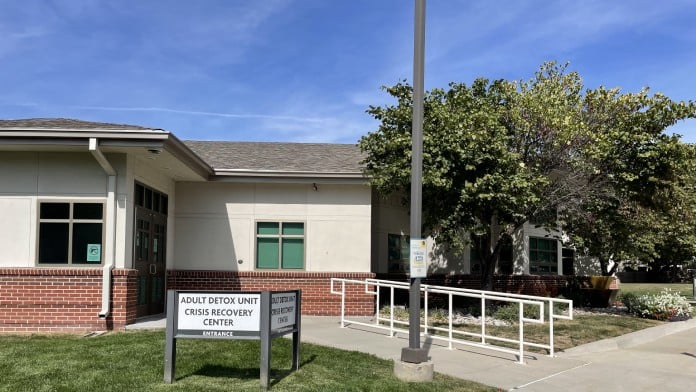
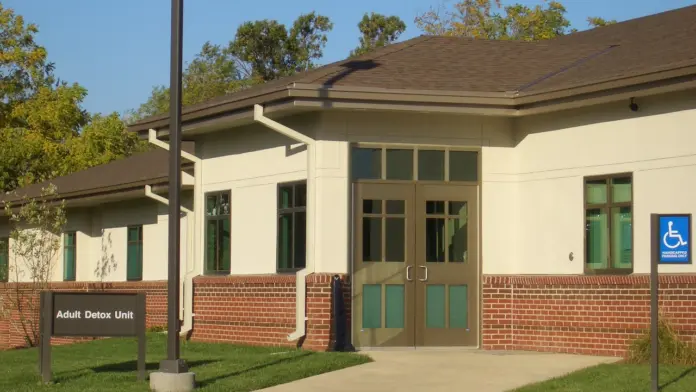
Johnson County Mental Health Center Adult Detoxification Unit is a county-operated, 10-bed detox program in Shawnee, Kansas, providing non medical withdrawal support for adults 18 and older. The unit accepts admissions 24/7 for people withdrawing from alcohol and other drugs, with monitoring, symptom management and referrals to medical care when needed. As a community program, the Adult Detoxification Unit focuses on safe stabilization and seamless transitions to ongoing recovery support.
Non Medical Detox and Withdrawal Management in Shawnee
The Adult Detoxification Unit offers short-term, non medical detox in a supportive environment designed for adults experiencing withdrawal. Staff evaluate symptoms around the clock and coordinate referrals to medical providers if a higher level of care becomes necessary.
Clients stay in semi-private rooms with assigned bathrooms, receive meals on-site and work with staff to monitor their progress throughout withdrawal. Treatment addresses immediate withdrawal symptoms while preparing clients for the next steps in recovery, including connections to mental health services for co-occurring needs.
24/7 Access and Continuity of Care
The unit is open for admissions every day of the year, offering a low-barrier entry point for adults seeking detox services. Discharge planning includes personalized referrals to ongoing treatment providers, connections to AA and NA groups and coordination with mental health resources when indicated.
Johnson County Mental Health Center’s Adult Detoxification Unit serves adults across the Shawnee area and greater Johnson County with in-person detox care. The program is a public, county-operated service within the larger Johnson County Mental Health Center network.
The unit accepts Medicaid and offers payment assistance for qualifying individuals.
Facility Overview
 8
8 Number of Available Beds
Latest Reviews
Every single person & every single second of my stay here - in one of the scariest moments of my life -> saved my life. This resource & the mission behind each person who works in this team is a tremendous God send. I pray more people find this place. Thankful for everyone who helped me.
Response from the owner1 day ago
Thank you for sharing your experience with The Recovery Place. We’re grateful to hear that you felt supported during such a difficult time and appreciate your kind words about our team and services. If you would like to share additional feedback about your experience, please contact our Manager of Quality and Integrity at 913-826-4200 during regular business hours.
Having worked closely as an Architect with the facility administrators, volunteers, and some of the medical professionals it is clear they have the wellness of the 'patients' as the primary focus. The decision to invest in the betterment of the community through the building of the facility, the staffing, and the great accommodation to help the wide range of situations that can present themselves in a detoxification environment points to the sincere effort to help those in need or dealing with the personal demons of dependency.
Response from the owner1 day ago
Thank you so much for your kind words, Eric! We're grateful for your insight and support. Your feedback motivates us to continue making a difference.
I have gone through detox here on several occasions. The staff is very professional, while being humble and compassionate at the same time.
Thank you so much for your positive feedback and for taking the time to post this review. We are so glad you're happy with the services being provided at JCMHC. We would love to make your experience even more amazing, is there anything you would recommend improving? Please don't hesitate to email us at jcmhcinfo@jocogov.org.
Response from the owner1 day ago
Dear Eric,Thank you so much for your positive feedback and for taking the time to post this review. We are so glad you're happy with the services being provided at JCMHC. We would love to make your experience even more amazing, is there anything you would recommend improving? Please don't hesitate to email us at jcmhcinfo@jocogov.org.

Rehab Score
 Our Methodology
Scoring is assigned by a proprietary system which helps surface key metrics that determine quality. The 10-point scale factors in categories such as operations, customer satisfaction, and trust metrics. Read Full Methodology

7.4 / 10
Gallery

Accepted Insurance
Other Forms of Payment
Private insurance refers to any kind of healthcare coverage that isn't from the state or federal government. This includes individual and family plans offered by an employer or purchased from the Insurance Marketplace. Every plan will have different requirements and out of pocket costs so be sure to get the full details before you start treatment.
Self-pay involves paying for treatment out of your own pocket. You can use savings or credit, get a personal loan, or receive help from family and friends to fund your treatment. If you don't have insurance or your insurance plan doesn't cover a specific program, self-pay can help ensure you still get the care you need.
Financial aid can take many forms. Centers may have grants or scholarships available to clients who meet eligibility requirements. Programs that receive SAMHSA grants may have financial aid available for those who need treatment as well. Grants and scholarships can help you pai for treatment without having to repay.
Addiction Treatments
Levels of Care
Clients receiving treatment at an outpatient facility are often further along in their recovery journey than those in inpatient care, meaning they may require less intensive supervision and support. Outpatient services generally include addiction counseling, recovery education, and community reintegration support. Most outpatient rehabs offer evening, night, and weekend services to accommodate clients' needs. Clients who are in early recovery or are at an increased relapse risk may enroll in partial hospitalization (PHP) or intensive outpatient (IOP) programs.
Residential treatment programs are those that offer housing and meals in addition to substance abuse treatment. The adult detox unit is a 14-bed facility that assist individuals that are going through withdrawal symptoms. Symptoms are monitored and evaluated by the clinicians and staff throughout the resident's stay, they also can make referrals for medical care when necessary.
Clients in a rehab aftercare program typically have completed intensive inpatient treatment but may be receiving outpatient care. Many have concluded outpatient treatment as well and are in the maintenance phase of their recovery. Rehab aftercare services are designed to provide a full continuum of care as clients apply their recovery skills at home, in the workplace, and in the community. Clients typically receive peer coaching, career counseling, and 12 step recovery program induction, among other services.
12 step programs feature peer coaching and spiritual development to support participants' sustained sobriety. Most programs are non-denominational and religious affiliation isn't required. Participants engage in regular 12 step meetings, which are open to the public, anonymous, and free. Meetings can be accessed night and day in most communities. Self-selected sponsors provide one-on-one mentoring as participants work through the 12 steps, which foster healing, understanding, accountability, and acceptance.
Detox treatment varies, but it always involves 24-hour clinical care in Kansas. This supervision is necessary to ensure a safe detox process. Time frame for this level of treatment depends on the severity and type of the addiction. Common time frames include 5-day detox and 7-day detox. Rapid detox programs are also available that are as short as 24 hours. Regardless of the time frame, constant supervision by experienced staff is an essential component.
Drug and alcohol addiction often takes a heavy toll on one's body. Over time, a physical dependence can develop, meaning the body physiologically needs the substance to function. Detox is the process of removing drugs and/or alcohol from the body, a process that can be lethal if mismanaged. Medical detox is done by licensed medical professionals who monitor vital signs and keep you safe, healthy, and as comfortable as possible as you go through detox and withdrawal.
Treatments
The goal of treatment for alcoholism is abstinence. Those with poor social support, poor motivation, or psychiatric disorders tend to relapse within a few years of treatment. For these people, success is measured by longer periods of abstinence, reduced use of alcohol, better health, and improved social functioning. Recovery and Maintenance are usually based on 12 step programs and AA meetings.
The length, intensity, setting, and treatment methods vary for each drug rehab in Kansas. Plans of care can be tailored to meet each person's own unique situation and needs. With the right program, individuals can successfully achieve long-term sobriety.
Opioid rehabs specialize in supporting those recovering from opioid addiction. They treat those suffering from addiction to illegal opioids like heroin, as well as prescription drugs like oxycodone. These centers typically combine both physical as well as mental and emotional support to help stop addiction. Physical support often includes medical detox and subsequent medical support (including medication), and mental support includes in-depth therapy to address the underlying causes of addiction.
Substance rehabs focus on helping individuals recover from substance abuse, including alcohol and drug addiction (both illegal and prescription drugs). They often include the opportunity to engage in both individual as well as group therapy.
Programs
Adult rehab programs include therapies tailored to each client's specific needs, goals, and recovery progress. They are tailored to the specific challenges adult clients may face, including family and work pressures and commitments. From inpatient and residential treatment to various levels of outpatient services, there are many options available. Some facilities also help adults work through co-occurring conditions, like anxiety, that can accompany addiction.
Young adulthood can be an exciting, yet difficult, time of transition. Individuals in their late teens to mid-20s face unique stressors related to school, jobs, families, and social circles, which can lead to a rise in substance use. Rehab centers with dedicated young adult programs will include activities and amenities that cater to this age group, with an emphasis on specialized counseling, peer socialization, and ongoing aftercare.
Recovery is most successful when clients feel accepted and validated by their peers and treatment providers. Facilities that offer LGBTQ-inclusive programming are committed to creating a safe space where everyone can grow and recover without fear of judgment or discrimination. They will have dedicated policies in place to create a safe and supportive environment that fosters free expression.
Serving in the military is both mentally and physically challenging, and can result in trauma that persists even after combat ends. Military programs are tailored to the specific and often complex needs of active duty personnel, veterans, and military families. Clients often access these programs through the U.S. Department of Veterans Affairs (VA).
Clinical Services
If your therapist applies methods of cognitive behavioral therapy in Kansas, you can expect to gain a better understanding of your thoughts and behaviors and learn how to cope with difficult situations without using substances. This method is a proven technique for treating substance use and mental health disorders.
Substance abuse treatment typically includes group therapy where you can learn essential coping skills that help you navigate challenges within the community and relapse prevention strategies that support sustainable recovery. Group therapy offers you a platform to share your stories with your peers who understand the journey you are on.
In individual therapy, a patient meets one-on-one with a trained psychologist or counselor. Therapy is a pivotal part of effective substance abuse treatment, as it often covers root causes of addiction, including challenges faced by the patient in their social, family, and work/school life.
When applying motivational interviewing, your therapist will ask open ended questions that encourage you to think differently about your challenges. They will also affirm your strengths and abilities. They will then offer empathy and reflect your thoughts back to you so you can identify any discrepancies in your current behaviors and your future goals.
The goal of trauma therapy is to address the lingering emotional and physical responses from witnessing or experiencing a traumatic event. Your therapist helps you develop strategies that manage your symptoms while processing the traumatic memories. This improves your overall well being and reduces your physical and emotional responses to triggers.
In family therapy, experienced therapists help family members navigate the challenges of addiction by fostering open lines of communication and mutual support. This approach strengthens the family unit and improves the effectiveness of the recovery process.
Amenities
-
 Private Rooms
Staff & Accreditations
Staff

Tim DeWeese
Director
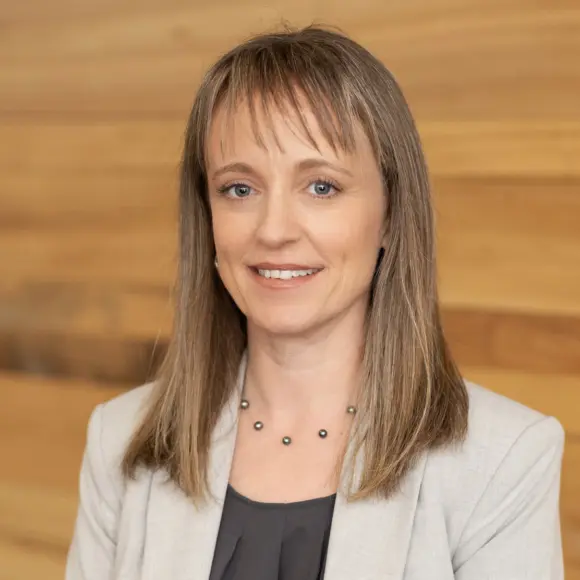
Liz Worth
Deputy Director
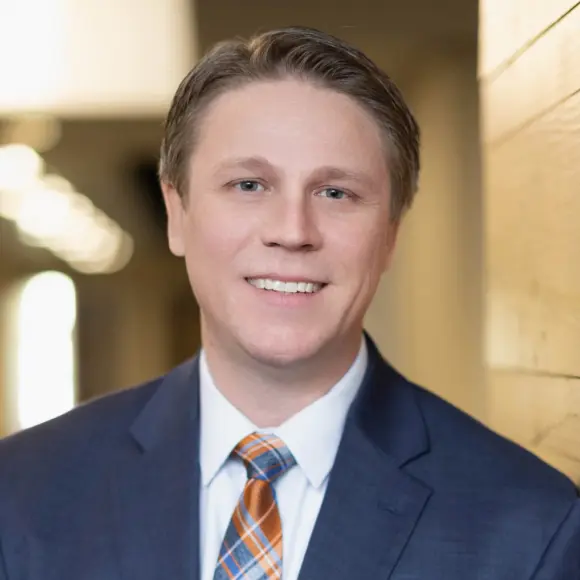
Tanner Fortney
Assistant Director

Janie Yannacito
Clinical Director-Children and Family Services
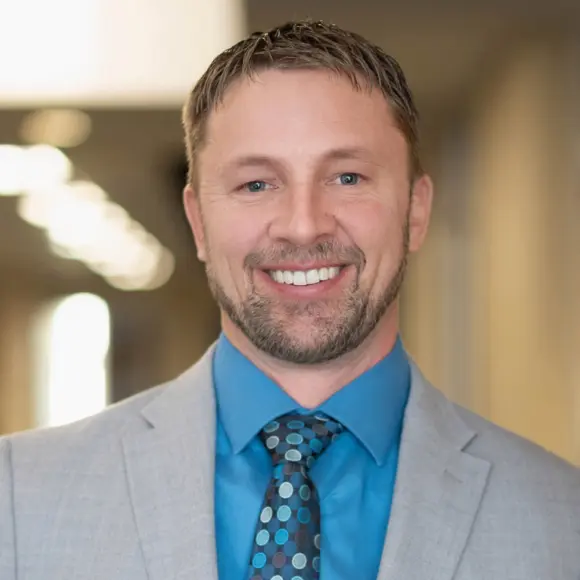
Kevin McGuire
Clinical Director-Adult Services

Rob MacDougall
Clinical Director-Emergency Services

Shana Burgess
Director-Prevention & Community Relations

Dr. Sobia Shaffie
Chief Medical Officer
Accreditations

The Joint Commission, formerly known as JCAHO, is a nonprofit organization that accredits rehab organizations and programs. Founded in 1951, the Joint Commision's mission is to improve the quality of patient care and demonstrating the quality of patient care.
Joint Commission Accreditation: Yes
Rehab.com regularly reviews this listing for accuracy but changes may occur between updates. For the most up-to-date information, please contact Johnson County Mental Health Center – Adult Detoxification Unit.
Contact Information

11120 West 65th street
Shawnee KS, 66203
Get Help Now - 913-363-0419
Sponsored Helpline
Sponsored Helpline


