





























































































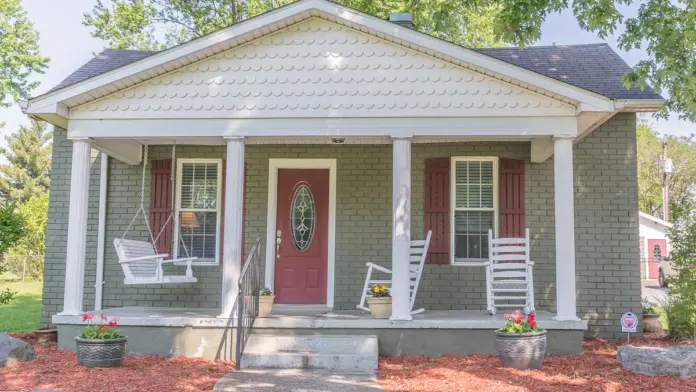


I just want to say thank you for helping me to overcome my addiction. I wouldn't be alive without you.
About JourneyPure
JourneyPure in Louisville, Kentucky, provides compassionate addiction treatment with layers of lasting support. Patients have shared that the staff are encouraging and that their treatments have made a real difference in their lives. We like that this facility gives you life coaching that stays with you for a full year after treatment ends, providing extra support when you need it most.
What strikes us most about them is their JourneyPure Coaching app, which gives you direct, one on one relapse recovery support at no extra cost. This kind of ongoing support is what really makes this place stand out.
After your appointments, you can explore the underground zip lines at Louisville Mega Cavern, take a quiet walk at Cherokee Park, visit the Louisville Zoo or spend time near the water at Waterfront Park. These nearby spots give you real chances to relax and enjoy yourself.
Comprehensive Substance Use Disorder Services
You can start with detox to help you safely clear substances from your body and manage withdrawal. Their inpatient treatment can give you a place to stay full time while you focus on your recovery with daily support. Their partial hospitalization program lets you receive intensive care during the day while going home at night, giving you a step down from inpatient care.
There is also an intensive outpatient program that offers a chance to attend treatment several times a week while managing other parts of your life. Their outpatient treatment gives you regular but less frequent support as you build stability and maintain progress.
Aftercare services help you stay connected to support once your main program ends, which can help you prevent relapse. You can also join a sober living home where you live in a supportive, substance free environment that helps you stay on track.
You can join art activities, music therapy, hiking and equine therapy to help you engage fully during your recovery. This is a wonderful mix of therapeutic activities and personal coaching.
Insurance and Payment Options
You can use private insurance plans like Blue Cross Blue Shield, Cigna, Humana, Medicaid and TRICARE. They also accept self-pay, offer payment plans and sliding scale fees and provide treatment scholarships. These options make it easier to begin and continue your care.
Latest Reviews
Whenever I had enough of my own bs, I was ready to quit. I pulled up to journey pure. I was ready no one made me. It's been over 2 years now and I'm clean. Thank God and journey pure
Great place, really works on recovery, trauma,, things things help addicts, loved it stayed 32 days
Journey Pure has definitely been an essential part of my recovery journey… I was fresh out of a 30 day treatment center and knew I needed to do more to ensure the success of my recovery. I was referred to Journey Pure… the first few months were more intensive, which helped set a foundation for the mental health maintenance I do today.
I loved my initial therapy sessions with Bri, and my current therapist, Alexy, is just as good. I highly recommend Journey Pure if you are serious about wanting what’s best for your mental health and wellbeing! There’s no time like the present (:

Rehab Score
 Our Methodology
Scoring is assigned by a proprietary system which helps surface key metrics that determine quality. The 10-point scale factors in categories such as operations, customer satisfaction, and trust metrics. Read Full Methodology

8.1 / 10
Gallery

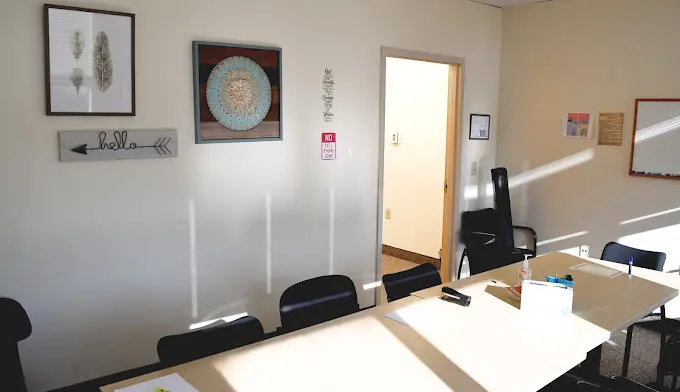
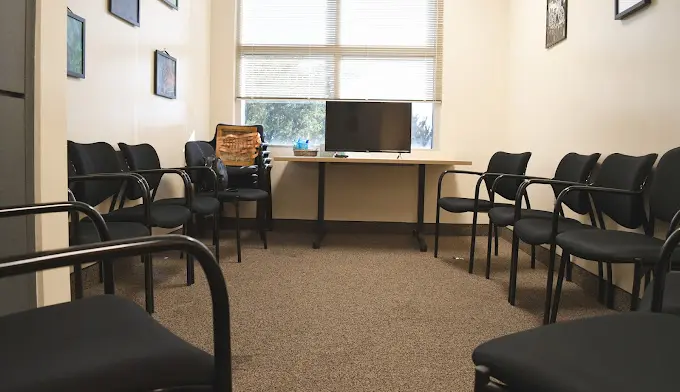
Accepted Insurance
Other Forms of Payment
Private insurance refers to any kind of healthcare coverage that isn't from the state or federal government. This includes individual and family plans offered by an employer or purchased from the Insurance Marketplace. Every plan will have different requirements and out of pocket costs so be sure to get the full details before you start treatment.
Self-pay involves paying for treatment out of your own pocket. You can use savings or credit, get a personal loan, or receive help from family and friends to fund your treatment. If you don't have insurance or your insurance plan doesn't cover a specific program, self-pay can help ensure you still get the care you need.
Military members, veterans, and eligible dependents have access to specific insurance programs that help them get the care they need. TRICARE and VA insurance can help you access low cost or no cost addiction and mental health treatment. Programs that accept military insurance often have targeted treatment focused on the unique challenges military members, veterans, and their families face.
Addiction Treatments
Levels of Care
Outpatient Programs (OP) are for those seeking mental rehab or drug rehab, but who also stay at home every night. The main difference between outpatient treatment (OP) and intensive outpatient treatment (IOP) lies in the amount of hours the patient spends at the facility. Most of the time an outpatient program is designed for someone who has completed an inpatient stay and is looking to continue their growth in recovery. Outpatient is not meant to be the starting point, it is commonly referred to as aftercare.
Inpatient rehab is designed primarily for clients exiting detox, those in early recovery, and those in crisis situations that may increase their risk of relapse. Clients reside at the inpatient treatment center for the length of the program, which may range from two weeks to more than 18 months, depending on the program design. Inpatient treatment typically includes 24-hour clinical care and extensive addiction counseling and recovery education using CBT, DBT, RBT, motivational interviewing or other psychotherapeutic approaches.
JourneyPure’s Intensive Outpatient Program (IOP) offers a full continuum of drug & alcohol education, counseling and therapy. Their intensive outpatient addiction treatment can be utilized as a step down from residential treatment or a primary treatment program in some circumstances. IOP may be recommended as a primary program for patients who do not need a medically-supervised detox or whose addiction can be managed without residential treatment. The flexibility of IOP allows patients to maintain a job and live on their own while participating in a dedicated addiction recovery community, which is why most patients choose an IOP program local to their job and families.
Rehab aftercare programs ensure clients' access to continuing care after the completion of intensive inpatient treatment. Outpatient care is often considered a component of drug rehab aftercare, but most clients continue to receive support services after being discharged from formal treatment. Service portfolios are customized to clients' unique and evolving needs and are often designed in collaboration with clients' case managers and care teams. Peer coaching, career counseling, relapse prevention, and 12 step program induction are standard.
12-step programs are addiction recovery models based on Alcoholics Anonymous (AA). A number of substance abuse programs (including some drug and alcohol rehab centers) use the 12 steps as a basis for treatment. Beginning steps involve admitting powerlessness over the addiction and creating a spiritual basis for recovery. Middle steps including making direct amends to those who've been hurt by the addiction, and the final step is to assist others in addiction recovery in the same way. 12-Step offshoots including Narcotics Anonymous (NA), Cocaine Anonymous (CA), Dual Recovery Anonymous (DRA), Sex and Love Addicts Anonymous (SLAA) and Gamblers Anonymous (GA).
Sober Living Houses (SLHs), aka sober homes or halfway houses, are safe, substance-free, supportive living facilities for those recovering from substance abuse. Ideal for those who've just been through inpatient or outpatient treatment, SLHs are supervised environments with rules that support sobriety, such as curfews, shared chores, and therapeutic meetings. Residents are also often trained on life skills and coping skills to make it easier to transition into society. SLHs also provide a strong sense of community that can lead to the kind of deep and lasting connections with other sober individuals that supports a new, healthy lifestyle.
Intervention Services helps family or friends of addicts stage an intervention, which is a meeting in which loved ones share their concerns and attempt to get an addict into treatment. Professional intervention specialists can help loved ones organize, gather, and communicate with an addict. They can guide intervention participants in describing the damage the addict's behavior is causing and that outside help is necessary to address the addiction. The ideal outcome of an intervention is for the addict to go to rehab and get the help they need. They have a network of preferred providers highly trained in the field of intervention and can give you some recommendations about what that process looks like.
A partial hospitalization program (PHP) is a short-term form of intensive rehab, usually for those with acute symptoms that are hard to manage but don’t require 24-hour care. PHPs have structured programming (i.e. individual and/or group therapy), and usually meet 3-5 days a week for around 6 hours (i.e. 9am-3m). Some PHPs are residential (patients sleep on site) and some are not, so patients sleep at home. PHPs can last from 1-6 months, and some offer transportation and meals.
Intensive levels of rehab involve 24-hour clinical care in Kentucky. This level of care is for those who have severe substance use disorders and need medical stabilization. Drug dependency can cause extreme withdrawal symptoms when the drug use stops, so this supervised care is necessary to treat those symptoms. Treatment involves 24-hour medical care, counseling, and medications.
Drug and Alcohol detox is the first step toward recovery but it can also one of the most difficult steps in the entire journey. Whether a patient has been addicted for several weeks or dependent on a substance for several years, coming down safely requires proper medical assistance and supervision our staff is qualified to provide. The detox facility at JourneyPure Emerald Coast is clean and safe, monitored 24/7 by staff whose aim is to help make the process more comfortable. JourneyPure’s number one priority is the safety involved during this difficult transition away from alcohol and/or substances. Located in Panama City Beach, JourneyPure Emerald Coast is one of Florida’s most respected substance abuse and dual diagnosis treatment centers. They make it a priority to ensure every individual has a stabilized detox before entering treatment so that they can focus on healing without any toxins in their system.
Treatments
The goal of treatment for alcoholism is abstinence. Those with poor social support, poor motivation, or psychiatric disorders tend to relapse within a few years of treatment. For these people, success is measured by longer periods of abstinence, reduced use of alcohol, better health, and improved social functioning. Recovery and Maintenance are usually based on 12 step programs and AA meetings.
Drug rehab in Kentucky often starts with detox, then includes inpatient or outpatient treatment, and continues with aftercare support. Specific methods used during each of these phases varies, but often include individual and group counseling, medication, and recreational therapies.
Many of those suffering from addiction also suffer from mental or emotional illnesses like schizophrenia, bipolar disorder, depression, or anxiety disorders. Rehab and other substance abuse facilities treating those with a dual diagnosis or co-occurring disorder administer psychiatric treatment to address the person's mental health issue in addition to drug and alcohol rehabilitation.
A combined mental health and substance abuse rehab has the staff and resources available to handle individuals with both mental health and substance abuse issues. It can be challenging to determine where a specific symptom stems from (a mental health issue or an issue related to substance abuse), so mental health and substance abuse professionals are helpful in detangling symptoms and keeping treatment on track.
Opioid rehabs specialize in supporting those recovering from opioid addiction. They treat those suffering from addiction to illegal opioids like heroin, as well as prescription drugs like oxycodone. These centers typically combine both physical as well as mental and emotional support to help stop addiction. Physical support often includes medical detox and subsequent medical support (including medication), and mental support includes in-depth therapy to address the underlying causes of addiction.
Programs
Adult rehab programs include therapies tailored to each client's specific needs, goals, and recovery progress. They are tailored to the specific challenges adult clients may face, including family and work pressures and commitments. From inpatient and residential treatment to various levels of outpatient services, there are many options available. Some facilities also help adults work through co-occurring conditions, like anxiety, that can accompany addiction.
Young adulthood can be an exciting, yet difficult, time of transition. Individuals in their late teens to mid-20s face unique stressors related to school, jobs, families, and social circles, which can lead to a rise in substance use. Rehab centers with dedicated young adult programs will include activities and amenities that cater to this age group, with an emphasis on specialized counseling, peer socialization, and ongoing aftercare.
Serving in the military is both mentally and physically challenging, and can result in trauma that persists even after combat ends. Military programs are tailored to the specific and often complex needs of active duty personnel, veterans, and military families. Clients often access these programs through the U.S. Department of Veterans Affairs (VA).
Clinical Services
Cognitive behavioral therapy in Kentucky involves learning to recognize unhealthy thinking patterns and developing problem solving skills to cope with life's challenges. It will help you have greater confidence in your abilities so you can change your patterns of behavior and break free from substance abuse.
Dialectical Behavior Therapy (DBT) is a modified form of Cognitive Behavioral Therapy (CBT), a treatment designed to help people understand and ultimately affect the relationship between their thoughts, feelings, and behaviors. DBT is often used for individuals who struggle with self-harm behaviors, such as self-mutilation (cutting) and suicidal thoughts, urges, or attempts. It has been proven clinically effective for those who struggle with out-of-control emotions and mental health illnesses like Borderline Personality Disorder.
Equine therapy, aka equine-assisted therapy (EAT), is a form of experiential therapy that involves interactions and activities with horses. It does not necessarily involve riding horses, but all activities related to horses, such as feeding, grooming, haltering and leading them. A mental health professional frequently oversees the activities (often in conjunction with a horse professional), and helps patients process their thoughts, feelings, and behavior patterns during and/or after the interaction.
Group therapy is any therapeutic work that happens in a group (not one-on-one). There are a number of different group therapy modalities, including support groups, experiential therapy, psycho-education, and more. Group therapy involves treatment as well as processing interaction between group members.
In individual therapy, a patient meets one-on-one with a trained psychologist or counselor. Therapy is a pivotal part of effective substance abuse treatment, as it often covers root causes of addiction, including challenges faced by the patient in their social, family, and work/school life.
Motivational Interviewing (MI) is a clinical approach to helping people with substance abuse issues and other conditions shift behavior in positive ways. It is more goal-oriented than traditional psychotherapy, as MI counselors directly attempt to get clients to consider making behavioral change (rather than wait for them to come to conclusions themselves). Its primary purpose is to resolve ambivalence and help clients become able to make healthy choices freely.
Trauma therapy addresses traumatic incidents from a client's past that are likely affecting their present-day experience. Trauma is often one of the primary triggers and potential causes of addiction, and can stem from child sexual abuse, domestic violence, having a parent with a mental illness, losing one or both parents at a young age, teenage or adult sexual assault, or any number of other factors. The purpose of trauma therapy is to allow a patient to process trauma and move through and past it, with the help of trained and compassionate mental health professionals.
Whether a marriage or other committed relationship, an intimate partnership is one of the most important aspects of a person's life. Drug and alcohol addiction affects both members of a couple in deep and meaningful ways, as does rehab and recovery. Couples therapy and other couples-focused treatment programs are significant parts of exploring triggers of addiction, as well as learning how to build healthy patterns to support ongoing sobriety.
EMDR is a therapeutic modality originally developed to help process trauma. In an EMDR session, a patient is prompted to undergo eye movements that mimic those of REM sleep. This is accomplished by watching a therapist's finger move back and forth across, or following a bar of light. The goal is repetitive sets of eye movements that help the brain reprocess memory, which can significantly reduce the intensity of remembered traumatic incidents. Associated memories can heal simultaneously, leaving patients significantly calmer, more stable, and more emotionally relaxed.
At JourneyPure, some clients discover that much of their current destructive behavior is rooted in past traumas. This is not unusual, and it’s not something that should or can be blamed on one person. It’s simply a part of the addict’s history, which is why they use family counseling as a springboard for true recovery. They firmly believe that loved ones should play a major role in resolving that trauma. Family counseling and education provides healing and creates a healthy, long-term support system including positive accountability. Family therapy brings family members, clients and spouses together for an open and honest reflection of the behavior patterns that enabled the client’s self-destructive lifestyle.
Life skills trainings involve all the skills a person must have in order to function successfully in the world. These include time management, career guidance, money management, and effective communication. Truly successful addiction recovery is based on the ability to not only live substance-free, but to thrive. Life skills teaches the practical necessities of functioning in society, which sets clients up for success in life, and therefore sobriety.
Nutrition therapy is a form of holistic therapy that is often incorporated into drug rehab programs in Kentucky. Eating healthy meals and learning how to choose the best foods for recovery helps you heal faster and helps prevent relapse.
Holistic alcohol and drug addiction treatment centers use recreational therapy to help you find a constructive way to spend your time and manage your stress. Activities can include yoga, team sports, creative arts, and painting. These encourage social interaction, support your physical fitness, and improve your mood, all of which are crucial for maintaining a successful recovery.
Creativity is inherently healing, and can help those in recovery express thoughts or feelings they might not otherwise be able to. Creative arts therapy can include music, poetry/writing, painting, sculpting, dance, theater, sandplay, and more. Unlike traditional art, the final product matters far less than the experience of creation and expression itself.
Experiential therapy is a form of therapy in which clients are encouraged to surface and work through subconscious issues by engaging in real-time experiences. Experiential therapy departs from traditional talk therapy by involving the body, and having clients engage in activities, movements, and physical and emotional expression. This can involve role-play or using props (which can include other people). Experiential therapy can help people process trauma, memories, and emotion quickly, deeply, and in a lasting fashion, leading to substantial and impactful healing.
Amenities
-
 Residential Setting
 -
 Private Rooms
Staff & Accreditations
Staff
Dr. Brian Wind, PhD, CBSM
Chief Clinical Officer
Accreditations

LegitScript has reviewed JourneyPure as part of their certification program, and has determined that it meets the LegitScript standards for legality, safety and transparency.
LegitScript verified in May 2021

State Licenses are permits issued by government agencies that allow rehab organizations to conduct business legally within a certain geographical area. Typically, the kind of program a rehab facility offers, along with its physical location, determines which licenses are required to operate legally.
State License: Kentucky
License Number: 810200
Rehab.com regularly reviews this listing for accuracy but changes may occur between updates. For the most up-to-date information, please contact JourneyPure.
Contact Information

3430 Newburg Road
Suite 158
Louisville, KY 40218
Get Help Now - 502-461-9007
Sponsored Helpline
Sponsored Helpline


