





























































































I was mailed a letter stating I owed after discharge weeks ago. I called my medical insurance and they stated i only needed to pay my deductible which was made before service started. Then Kolmac keeps charging my bank and medical insurance. Fraud has been reported to my ba ...
About Kolmac Integrated Behavioral Health
Kolmac Integrated Behavioral Health in Silver Spring, Maryland provides care for residents through virtual addiction treatment and nearby in-person locations.
The center specializes in substance use disorder care and co-occurring mental health support for adults, young adults, busy professionals and families.
Kolmac’s mission focuses on delivering data-driven outpatient care that fits around work, school and caregiving responsibilities, helping patients begin treatment within one business day of first contact.
Virtual Intensive Outpatient Addiction Treatment
Kolmac’s flagship Intensive Outpatient Program supports recovery from alcohol use disorder, opioid addiction, gambling and tobacco dependence. It also brings deep clinical experience to every level of care.
The outplacement program runs three hours per day, four days per week with virtual and hybrid options available to Silver Spring residents.
Sessions blend CBT, DBT, ACT and relapse prevention to address both substance use and underlying mental health concerns.
Medication-Assisted Treatment and Family Support
Kolmac offers medication-assisted treatment including Suboxone, Sublocade, Vivitrol and Antabuse, paired with psychiatric services and medication management.
These medicines are FDA-approved and help ease withdrawal symptoms.
Family programming, support groups and continuing care help patients sustain long-term recovery alongside loved ones.
Latest Reviews
Best IOP program. Highly recommend!
Response from the owner3 weeks ago
Ashley, thank you for the kind words! We are thrilled to hear you have enjoyed your experience with Kolmac!
Kolmac was an essential part of my recovery. The admissions staff made it easy to obtain information and the clinical staff were compassionate and knowledgeable about mental health and substance abuse. I highly recommend using them if you are serious about your recovery!
Response from the owner3 weeks ago
Thank you so much for sharing your experience with us. We're incredibly grateful to have been a part of your recovery journey, and we're thrilled to hear that Kolmac played an essential role in your path to wellness. Our admissions and clinical staff are dedicated to providing compassionate and knowledgeable support to all our patients, and it's heartening to know that you found them to be helpful and supportive during your time with us. If you ever have any further feedback or if there's anything else you'd like to share, please don't hesitate to reach out to us at feedback@kolmac.com. We wish you the best on the rest of your recovery journey!
World class patient care and clinical programming
Response from the owner3 weeks ago
Thank you for your kind words, Mary! We are delighted to hear that you had a positive experience with our patient care and clinical programming. Your feedback is truly appreciated. 
Rehab Score
 Our Methodology
Scoring is assigned by a proprietary system which helps surface key metrics that determine quality. The 10-point scale factors in categories such as operations, customer satisfaction, and trust metrics. Read Full Methodology

7.6 / 10
Gallery
Accepted Insurance

Johns Hopkins Health Plans (JHHP)
United States Family Health Plan (USFHP)
Other Forms of Payment
Private insurance refers to any kind of healthcare coverage that isn't from the state or federal government. This includes individual and family plans offered by an employer or purchased from the Insurance Marketplace. Every plan will have different requirements and out of pocket costs so be sure to get the full details before you start treatment.
Self-pay involves paying for treatment out of your own pocket. You can use savings or credit, get a personal loan, or receive help from family and friends to fund your treatment. If you don't have insurance or your insurance plan doesn't cover a specific program, self-pay can help ensure you still get the care you need.
Military members, veterans, and eligible dependents have access to specific insurance programs that help them get the care they need. TRICARE and VA insurance can help you access low cost or no cost addiction and mental health treatment. Programs that accept military insurance often have targeted treatment focused on the unique challenges military members, veterans, and their families face.
Addiction Treatments
Levels of Care
Outpatient Programs (OP) are for those seeking mental rehab or drug rehab, but who also stay at home every night. The main difference between outpatient treatment (OP) and intensive outpatient treatment (IOP) lies in the amount of hours the patient spends at the facility. Most of the time an outpatient program is designed for someone who has completed an inpatient stay and is looking to continue their growth in recovery. Outpatient is not meant to be the starting point, it is commonly referred to as aftercare.
The general structure of the Rehabilitation Program is: attend group therapy and education sessions that last for three-hours each day. The patient come five times the first week with the frequency being reduced over the next several weeks as their condition stabilizes. By the end, the patient typically attend twenty to thirty sessions over a period of eight weeks. Two or more staff members are present along with eight to fifteen other patients. The patient will also have the opportunity to meet individually with a clinician several times during the course of the treatment. They also schedule individual family meetings when they think that would be helpful.
12 step programs provide accessible peer coaching for participants at all stages of their recovery journey. Meetings are peer-led, anonymous, free, and available multiple times per day in most communities. Participants also receive one-on-one mentoring by a self-selected sponsor. 12 step recovery is based on spiritual principles, which enable participants to understand their disease, accept responsibility for their choices, and relinquish control over that which is unchangeable. Religious affiliation isn't required and specialized formats are available.
Drug and alcohol addiction often takes a heavy toll on one's body. Over time, a physical dependence can develop, meaning the body physiologically needs the substance to function. Detox is the process of removing drugs and/or alcohol from the body, a process that can be lethal if mismanaged. Medical detox is done by licensed medical professionals who monitor vital signs and keep you safe, healthy, and as comfortable as possible as you go through detox and withdrawal.
Treatments
The goal of treatment for alcoholism is abstinence. Those with poor social support, poor motivation, or psychiatric disorders tend to relapse within a few years of treatment. For these people, success is measured by longer periods of abstinence, reduced use of alcohol, better health, and improved social functioning. Recovery and Maintenance are usually based on 12 step programs and AA meetings.
Once a person has become addicted to a substance, drug rehab in Maryland is often necessary to overcome that addiction. These programs provide the tools individuals need to manage the physical, mental, and emotional issues involved and begin a successful recovery journey.
People with alcohol and drug problems often have additional psychiatric problems that require treatment in order to achieve a satisfying recovery. The other problems that occur most commonly are mood, attention deficit/hyperactivity, anxiety, and trauma disorders. At Kolmac, one of their basic beliefs has always been that the best results occur when addiction and other psychiatric problems are treated simultaneously. In order to accomplish this, Kolmac maintains a full staff of psychiatrists, psychiatric nurses, nurse practitioners, and physician assistants. They collaborate with patients’ outside clinicians on the best treatment plan. If necessary, their staff will prescribe medication and will arrange for a psychotherapy referral to an outside therapist.
Opioid rehabs specialize in supporting those recovering from opioid addiction. They treat those suffering from addiction to illegal opioids like heroin, as well as prescription drugs like oxycodone. These centers typically combine both physical as well as mental and emotional support to help stop addiction. Physical support often includes medical detox and subsequent medical support (including medication), and mental support includes in-depth therapy to address the underlying causes of addiction.
Substance rehabs focus on helping individuals recover from substance abuse, including alcohol and drug addiction (both illegal and prescription drugs). They often include the opportunity to engage in both individual as well as group therapy.
Programs
Adult rehab programs include therapies tailored to each client's specific needs, goals, and recovery progress. They are tailored to the specific challenges adult clients may face, including family and work pressures and commitments. From inpatient and residential treatment to various levels of outpatient services, there are many options available. Some facilities also help adults work through co-occurring conditions, like anxiety, that can accompany addiction.
Young adulthood can be an exciting, yet difficult, time of transition. Individuals in their late teens to mid-20s face unique stressors related to school, jobs, families, and social circles, which can lead to a rise in substance use. Rehab centers with dedicated young adult programs will include activities and amenities that cater to this age group, with an emphasis on specialized counseling, peer socialization, and ongoing aftercare.
Clinical Services
Cognitive Behavioral Therapy (CBT) is a therapy modality that focuses on the relationship between one's thoughts, feelings, and behaviors. It is used to establish and allow for healthy responses to thoughts and feelings (instead of unhealthy responses, like using drugs or alcohol). CBT has been proven effective for recovering addicts of all kinds, and is used to strengthen a patient's own self-awareness and ability to self-regulate. CBT allows individuals to monitor their own emotional state, become more adept at communicating with others, and manage stress without needing to engage in substance abuse.
Group therapy is any therapeutic work that happens in a group (not one-on-one). There are a number of different group therapy modalities, including support groups, experiential therapy, psycho-education, and more. Group therapy involves treatment as well as processing interaction between group members.
In individual therapy, a patient meets one-on-one with a trained psychologist or counselor. Therapy is a pivotal part of effective substance abuse treatment, as it often covers root causes of addiction, including challenges faced by the patient in their social, family, and work/school life.
Research clearly demonstrates that recovery is far more successful and sustainable when loved ones like family members participate in rehab and substance abuse treatment. Genetic factors may be at play when it comes to drug and alcohol addiction, as well as mental health issues. Family dynamics often play a critical role in addiction triggers, and if properly educated, family members can be a strong source of support when it comes to rehabilitation.
Amenities
-
 Residential Setting
Staff & Accreditations
Staff
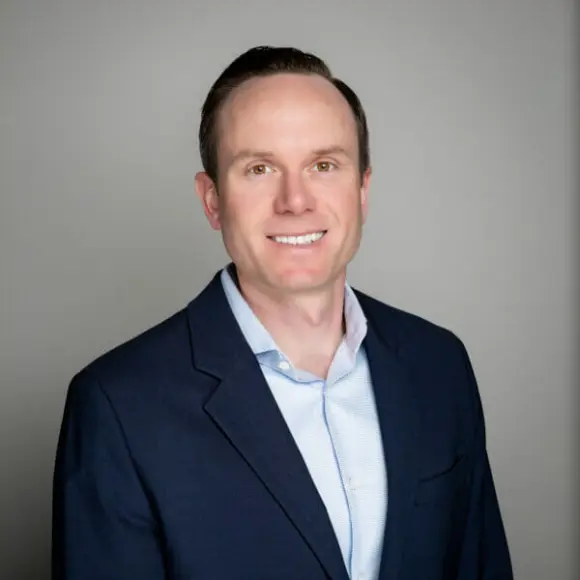
Anton Kuznetsov
CEO
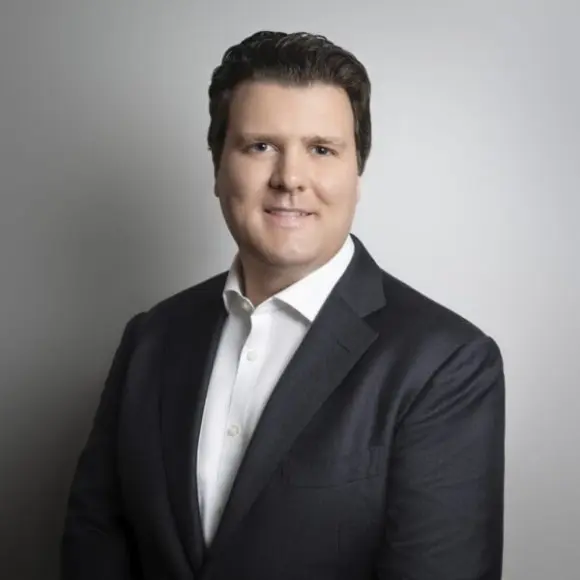
Colin Feehan
CFO
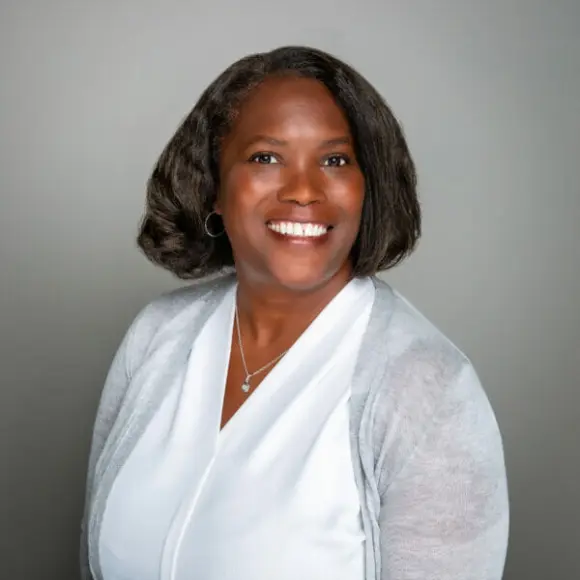
Dr. Erika Kane
Chief Medical Officer
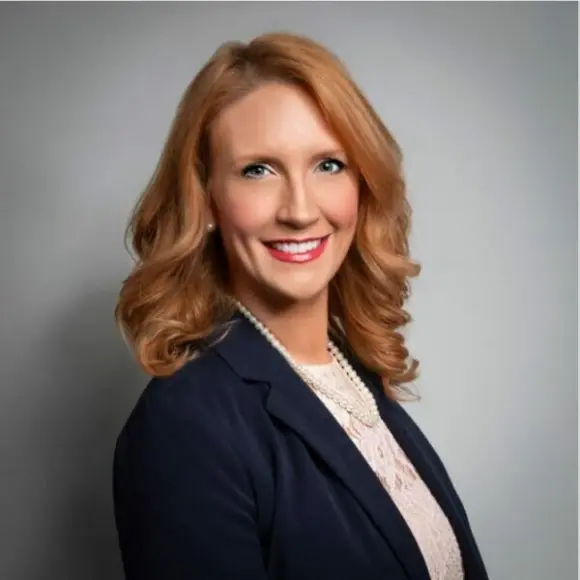
Nicole Diffenderfer
Chief Human Resources Officer
Accreditations

The Commission on Accreditation of Rehabilitation Facilities (CARF) is a non-profit organization that specifically accredits rehab organizations. Founded in 1966, CARF's, mission is to help service providers like rehab facilities maintain high standards of care.
CARF Accreditation: Yes

LegitScript has reviewed Kolmac Integrated Behavioral Health as part of their certification program, and has determined that it meets the LegitScript standards for legality, safety and transparency.
LegitScript verified in
Rehab.com regularly reviews this listing for accuracy but changes may occur between updates. For the most up-to-date information, please contact Kolmac Integrated Behavioral Health.
Contact Information

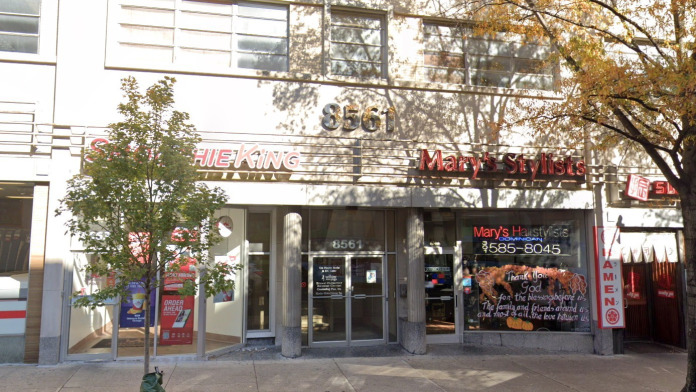
8561 Fenton St
#250
Silver Spring, MD 20910
Get Help Now - 443-376-8434
Sponsored Helpline
Sponsored Helpline


