Symetria — Hurst Outpatient Rehab & Suboxone Clinic
1
Top 10 Rehab Centers In Hurst



















































































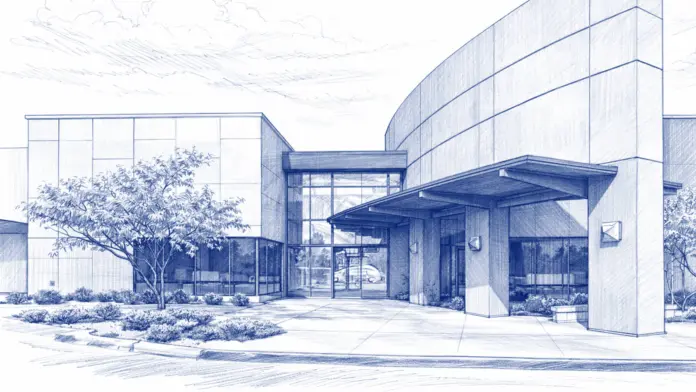
The Austin, Texas, based substance abuse treatment program Legacy Texas is designed specifically for men. It’s a 90 day residential treatment program built on a tight structure and 12 Steps immersion that incorporates evidence based practices with practical life and recovery skills. They also provide detox coordination and dual diagnosis care.
This program goes beyond teaching you skills by emphasizing real world practice and application. You’ll have the chance to develop your new skills in a safe and controlled environment through experiential therapy.
This approach ensures you have practical experience before leaving. Legacy Texas is accredited by The Joint Commission.
Treatment here focuses on mental health and addiction, but through their integrative wellness approach, they are able to uplift and support all areas of your health. Program components focus on physical, spiritual and social wellness as well as behavioral and substance use disorder care. This includes holistic practices like saunas and cold plunges alongside traditional therapy and physical fitness.
Many residential programs incorporate the 12 Steps in some way. Here, they are a part of daily life. Your individualized treatment plan includes regular 12 Steps work, be it meetings, Big Book study and mentorship. Rather than giving you an introduction to this supportive program, you get to experience it in its entirety before you exit treatment.
There are many things about his program that may catch your interest—such as the 24/7 staff support and comfy, home-like accommodations—but one of the biggest for me is the inclusion of family therapy. As your closest supporters, your family can play an important role in your recovery. However, they need to know how.
That’s where the therapy program comes in. It provides you and your family a safe space to talk about your addiction and your recovery. It also helps them improve their communication skills and give them the know-how to best aid you through the ups and downs of sobriety.

 91+
91+ 
 Our Methodology


Private insurance refers to any kind of healthcare coverage that isn't from the state or federal government. This includes individual and family plans offered by an employer or purchased from the Insurance Marketplace. Every plan will have different requirements and out of pocket costs so be sure to get the full details before you start treatment.
Self-pay involves paying for treatment out of your own pocket. You can use savings or credit, get a personal loan, or receive help from family and friends to fund your treatment. If you don't have insurance or your insurance plan doesn't cover a specific program, self-pay can help ensure you still get the care you need.
Inpatient rehab programs are geared toward clients in early recovery. They also provide intensive support for clients in crisis and those at an increased relapse risk. Clients receive housing and meals while in inpatient care, allowing them to focus solely on their recovery. Most programs prioritize addiction counseling but may draw on various psychotherapeutic modalities, including CBT, DBT, RBT, trauma therapy, and motivational interviewing. Life skills training and holistic therapies are also common in inpatient care.
Ridding the body of harmful, addictive substances, also known as detoxification, is usually the first phase of recovery. Those going through medically assisted detox can be administered medications by a team of medical professionals who are on-site 24/7 to provide different types of therapies that help mitigate withdrawal symptoms.
Rehab aftercare programs are based on a model of continuing care and the premise that recovery is a life-long process requiring ongoing client support. Many rehab aftercare services include outpatient care, but clients often continue to receive support after being discharged from formal treatment. Case managers and care teams typically collaborate with clients to design their long-term care plan, which may include peer coaching, career counseling, and 12 step program induction, among other services.
Alcoholism occurs when a person becomes physically and psychologically dependent on alcohol. Attending a professional alcohol rehab in Texas can provide customized intervention methods to address the physical, mental, and relational challenges of addiction.
During rehab in Texas, you'll deal with underlying issues that contribute to addiction. By addressing these challenges and learning healthy ways to cope with them, you'll develop strategies that help you live a drug-free lifestyle.
 Opioid Addiction
Men face specific challenges and concerns when seeking addiction treatment. Gender-specific recovery programs help them tackle these issues head-on in an environment that's focused, targeted, and distraction-free. It also gives them the opportunity to connect with and learn from other men who have been through a similar journey and can offer support for the next step.
The goal of cognitive behavioral therapy (CBT) in Texas is to change thought patterns, which leads to changes in behavior. Specific techniques during CBT can include self talk, SMART goals, journaling, and positive activities.
Treatment that takes a dialectical behavior therapy approach focuses on four strategies. Distress tolerance will help you accept and tolerate intense emotions. Emotional regulation will teach you to manage those emotions. Mindfulness will keep you in the present moment instead of regret or worry. Interpersonal effectiveness will teach you to manage your relationships.
Individual therapy offers you a confidential space to address the complexities of your drug or alcohol addiction. Your therapist guides these personalized sessions to help develop self awareness and manage stress. This promotes sustained sobriety and overall well being.
Peer support is an important aspect of group therapy sessions for drug and alcohol addiction. As you and your peers share stories and encourage each other, it fosters a sense of community and belonging that helps you process your feelings and reduces the sense of isolation that is associated with addiction.
Addiction recovery treatment in Texas will offer recreational therapy in a holistic approach to treatment. Therapy incorporates enjoyable activities that support your physical and mental health, such as team sports, creative arts, or individual sports. This activity gives you an emotional outlet, reduces your stress, and improves your mood, each of which promotes long term sobriety.
 Gym
Gym 
The Joint Commission, formerly known as JCAHO, is a nonprofit organization that accredits rehab organizations and programs. Founded in 1951, the Joint Commision's mission is to improve the quality of patient care and demonstrating the quality of patient care.
Joint Commission Accreditation: Yes
Rehab.com regularly reviews this listing for accuracy but changes may occur between updates. For the most up-to-date information, please contact Legacy Texas.

8455 Lyndon Ln Building C, Austin, TX 78729
Sponsored Helpline

⭐⭐⭐⭐⭐ Legacy Recovery gave me far more than sobriety—it gave me my life back. When I arrived, I was searching for hope. What I found was a program that nurtured my mind, body, and spirit while providing the tools, structure, and accountability necessary to create lasting change. The professionalism, knowledge, and genuine care demonstrated by every member of the staff helped me grow in ways I could not have seen on my own. The program challenged me, supported me, and taught me how to live a life I never thought possible. Through counseling, education, fellowship, exercise, nutrition, and continued support, I learned how to build a foundation for recovery that extends far beyond treatment. One of the things I appreciated most was feeling truly heard. The staff met me where I was, while also encouraging me to become the person I was capable of being. The friendships, support network, and ongoing relationships I have gained through Legacy continue to enrich my life today. Because of Legacy Recovery, I have access to the best life I have ever known. I am forever grateful to the staff for their professionalism, compassion, dedication, and wisdom. Their commitment to helping people heal is extraordinary, and I cannot recommend them highly enough. Thank you, Legacy Recovery, for helping me find a new way to live.

Our family is incredibly grateful for the care and support our son received at Legacy Texas. He spent 4 months in the program and the positive transformation has been nothing short of remarkable. We were super blessed to have Bailey Tate as his program director. Bailey quickly had a read on him and understood what he needed to be successful in their program. The entire staff demonstrated compassion, professionalism, and a genuine commitment to helping each individual succeed. They created a structured, yet supportive environment where our son felt understood and most importantly motivated to work on his recovery. The communication with our family was also excellent, Bailey and Brian spent an appreciable amount of time with us each week keeping us included in his journey. What stood out the most was the personalized approach to treatment. Our son learned how to deal with issues and conflict, navigating through them as opposed of trying to escape from them. Working through the 12 steps in a very thorough and practical manner helped him to see how applicable they are to his everyday life. Today he confident, responsible and working toward his goals - a far cry from the individual that initially walked through Legacy’s doors. We are eternally grateful to Bailey, Brian, Justin, Johnny, Tim and Marsha for our son’s life change! They gave us our boy back, thank you will never be enough! We would whole heartedly recommend Legacy Texas to any family seeking a place that truly cares and is capable of making a lasting difference.

Legacy is where real change happens. Our loved was at several different treatment centers before coming to legacy. At all the others, he could not complete even 30 days. At Legacy, he completed over 120 days. This was the only place that he was able to see his need for change. The built in structure and accountability was something he so desperately needed and had been missing. They have an in depth process of going through the 12 steps which makes them transformational. A strong community is a necessary component of healing and staying sober. This community is fostered well at Legacy. Legacy also offers incredible support and compassion for families. We were fortunate to have Bailey as our program director. He was very invested in the care & success of our loved one, and was our life line for several months. He communicated regularly with us and was always willing to give us the time we needed to talk through concerns and ask as many questions as we had. Our future is still unknown, but we know that he was given the best possible care and tools for a sober future.

Legacy changed my life. Not only because I am now sober but also because I have the tools, confidence and freedom to face whatever life throws at me. This program is very intense yet powerful. I stayed at Legacy for 90 days which set the foundation for a strong recovery. The staff has only your best interest in mind with every decision made. They do a great job staying connected with your family throughout your stay and giving them real time updates. I wish the Legacy community was in Atlanta, GA as I have found the enthusiasm of their community to be much greater than the sober community at local AA club houses and my sober living community. I wouldn’t have picked any other treatment facility looking back on my time in treatment. Legacy is a special place!
 Back
Back
Sharing your insights and experiences can help others learn more about this rehab center.