





























































































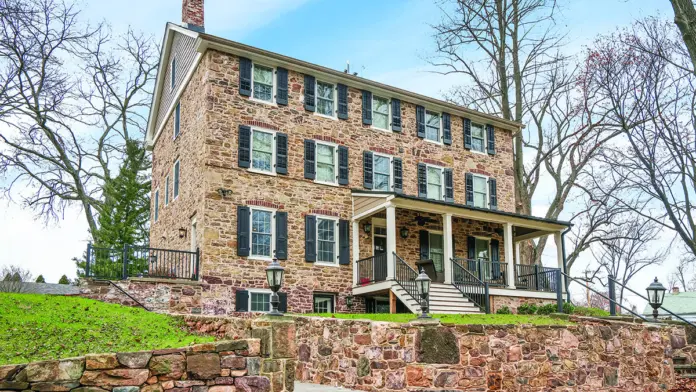
About Manor of Hope
Manor of Hope is a long-term residential treatment center in Phoenixville, Pennsylvania, providing specialized care for men facing substance use disorders, mental health challenges and co-occurring conditions. With a maximum of 16 residents and a high staff-to-resident ratio, Manor of Hope delivers personalized care that helps men build lasting recovery and life skills.
Long-Term Residential Treatment for Men in a Therapeutic Community
Manor of Hope operates as a boutique therapeutic community, offering year-long programming that goes far beyond traditional 30- to 90-day rehab stays. Each resident works with an assigned Manor Mentor who coordinates care alongside qualified therapists, specialists, and psychiatrists in the greater Philadelphia region. The program uses a structured phase system with milestones and earned privileges to track progress and build accountability.
The program offers 12+ month residential treatment through a therapeutic community model, addressing addiction to alcohol, opioids, prescription drugs and marijuana. Sessions focus on uncovering root causes of addiction and mental health struggles while building practical skills for independent living, including financial literacy, education pathways and job placement support.
Holistic Wellness and Culinary Enrichment
Manor of Hope emphasizes holistic wellness through daily nutrition, a strict no-sugar policy, and meals prepared by Executive Chef Andrew Deery using produce from the on-site organic garden. The farmhouse campus includes a wellness center with a gym, recreation spaces and vocational programs like the Recovery Worx woodworking apprenticeship, all designed to support physical health and future readiness.
The program includes graduate housing for alumni transitioning back to independence, with transportation provided to appointments and obligations.
Latest Reviews

We’re honored you trusted us with your son’s care, and we’re grateful we could support him in a way that felt personal and meaningful. Helping our clients build not just stability, but a strong foundation for life beyond treatment, is at the heart of what we do.
We wish your son continued strength and success, and we’re always here if your family needs anything in the future.



Rehab Score
 Our Methodology


Location
Other Forms of Payment
Self-pay involves paying for treatment out of your own pocket. You can use savings or credit, get a personal loan, or receive help from family and friends to fund your treatment. If you don't have insurance or your insurance plan doesn't cover a specific program, self-pay can help ensure you still get the care you need.
Addiction Treatments
Levels of Care
Clients receiving services from a rehab aftercare program are usually stable and in the maintenance phase of recovery, having completed detox and/or intensive inpatient treatment. Rehab aftercare services can vary widely based on clients' individual and evolving needs, but often include peer coaching, relapse prevention support, 12 step program induction, and medical, mental health, and social service referrals. Individual care plans are typically developed by the client in partnership with their case manager and care team.
Inpatient rehab provides clients with an opportunity to focus solely on their sobriety away from the stressors of the home and workplace. Clients receive housing, food, and intensive clinical supervision. They also typically engage in multiple addiction counseling sessions each week, including daily individual, group, and/or family sessions. Most programs also prioritize recovery-focused life skills training, including courses in relapse prevention. Many facilities offer evidence-based holistic therapies, such as yoga and meditation.
Residents of a sober living home in Pennsylvania pay rent and contribute to household maintenance. For their contributions, individuals get the opportunity to live in a substance-free environment and receive support from others in recovery while all residents practice sober-living skills. Sober living expenses are not covered by insurance since they are not treatment services. However, grants and scholarships are often available to help individuals afford rent for men's or women's sober living.
Because the severity of withdrawal symptoms can fluctuate, constant monitoring under 24-hour clinical care in Pennsylvania is recommended for early recovery. As you undergo detox, medical staff will supervise your health and ensure severe symptoms do not develop or threaten your life. Professional counselors will also be available to treat mental and emotional health needs.
Treatments
Alcoholism is a syndrome of dependent alcohol use. Also called alcohol use disorder (AUD), the symptoms include craving alcohol, not being able to stop drinking, and feeling anxious or irritable when not drinking. For many people, alcohol rehab in Pennsylvania is a beneficial treatment. Programs offer many levels of care, including medical and behavioral therapies.
 Opioid Addiction
Drug rehab in Pennsylvania is devoted to the treatment of addiction. Levels of care, treatment methods, and settings differ, but the aim of each program is to end drug dependency and empower participants to achieve long-term recovery.
Pennsylvania's specialized dual-diagnosis addiction treatment programs prioritize comprehensive care for individuals with co-occurring substance use disorders and mental health conditions. Providing various levels of care, including outpatient, inpatient, and partial hospitalization, dual-diagnosis experts use evidence-based therapies, recovery support groups, and education to treat both disorders, promote mental health, and improve your quality of life.
In Pennsylvania, substance abuse treatment programs can help address addiction and any co-occurring mental health problems. These programs incorporate evidence-based therapies such as cognitive-behavioral therapy (CBT), dialectical behavior therapy (DBT), and psychoeducation to help you uncover the underlying causes for your substance use and develop new skills to help you manage stress and overcome future triggers which may challenge your sobriety.
If you have a mental health condition and an addiction, it is critical to address both conditions simultaneously. If you only address the mental health disorder, you'll likely continue to use drugs or alcohol, which can make your mental health issues even worse. On the other hand, if you only address the addiction, you won't have the tools to cope with your mental health disorder in a healthy way.
Programs
Adult rehab programs include therapies tailored to each client's specific needs, goals, and recovery progress. They are tailored to the specific challenges adult clients may face, including family and work pressures and commitments. From inpatient and residential treatment to various levels of outpatient services, there are many options available. Some facilities also help adults work through co-occurring conditions, like anxiety, that can accompany addiction.
Clinical Services
Group therapy sessions in Pennsylvania offer you a safe space when you're struggling with drug and alcohol addiction. You can openly discuss your challenges and the progress you're making in rehabilitation. Sharing this responsibility with others in your group fosters a commitment to sobriety and helps create strong bonds with your peers.
Personalized therapy sessions in Pennsylvania typically include a safe and nonjudgmental setting in which you can express your deepest emotions and feelings and explore the factors that have contributed to addiction. Therapists tailor the sessions to help you develop healthier thought patterns and behaviors, which improve your self control and build a foundation for your long term sobriety.
Life skills are the mental and social skills that are necessary to navigate day to day life. Addiction diminishes or eliminates these skills, so they must be relearned and practiced during drug rehab treatment in Pennsylvania.
The goal of nutrition therapy is to help you understand how your diet affects your overall health. It teaches you healthy eating habits, which speed up your recovery and give you the nutrients you need for long term physical and mental health.
Incorporating recreational therapy into drug and alcohol addiction programs in Pennsylvania helps you rebuild your life and maintain sobriety by discovering new interests and developing healthy coping mechanisms. Recreational activities can include painting, team sports, and hiking to promote physical and mental health.
During addiction treatment and recovery, fitness therapy can play a crucial role in supporting physical and mental health through exercise regular physical activity helps to reduce stress and anxiety and improves your mental and physical health. A structured routine supports a sense of achievement that helps recovery from drug and alcohol addiction.
Amenities
-
 Private Setting
 -
 Residential Setting
 -
 Gym
Gym -
 Hiking
Staff

Collin Wainwright
Programing Director

John Killelea
Director of Client Advocacy

Andrew Deery
Culirary Director

Arlene Stillman
Office Manager
Rehab.com regularly reviews this listing for accuracy but changes may occur between updates. For the most up-to-date information, please contact Manor of Hope.
Contact Information


1129 Egypt Road
Phoenixville, PA 19460
Sponsored Helpline


