










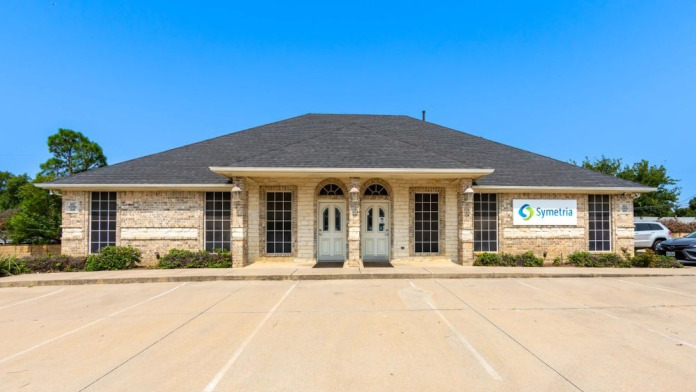
Symetria — Hurst Outpatient Rehab & Suboxone Clinic
1
Top 10 Rehab Centers In Hurst



















































































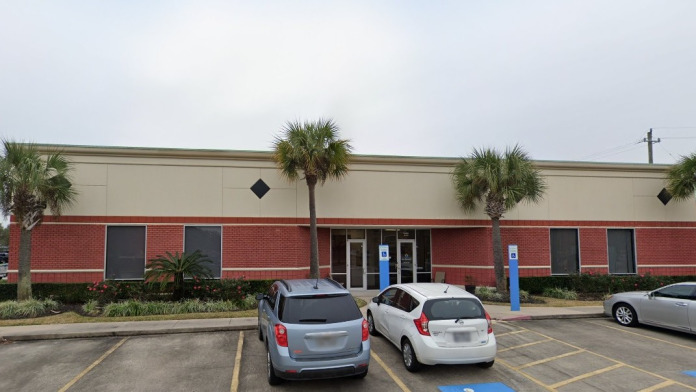
New Dimensions Day Treatment Center – Clear Lake Program’s partial hospitalization program for adults begins with an assessment and an individualized treatment plan that outlines a counseling schedule to include individual, group and family sessions as needed. Sessions take place during daytime hours, typically five days per week for 4-6 hours a day. Counseling topics include the biopsychological model of recovery, relapse prevention strategies, trauma and 12 Step peer recovery options.
The New Dimension adult intensive outpatient program offers the same services as the partial hospitalization program, but it meets in the evening and focuses more on group sessions.
The adolescent program schedules counseling sessions Monday through Friday for 3-6 hours per day and accommodates the adolescent’s school or work hours.
New Dimensions Day Treatment Centers – Clear Lake accepts many private insurances such as Blue Cross/Blue Shield, Cigna, Aetna, Beacon Health Options, Magellan and United Healthcare. Out of network benefits differ, so check with your insurance provider to verify your coverage and network benefits. Payment plans for expenses such as copays and deductibles may be offered.

 Our Methodology


Private insurance refers to any kind of healthcare coverage that isn't from the state or federal government. This includes individual and family plans offered by an employer or purchased from the Insurance Marketplace. Every plan will have different requirements and out of pocket costs so be sure to get the full details before you start treatment.
Self-pay involves paying for treatment out of your own pocket. You can use savings or credit, get a personal loan, or receive help from family and friends to fund your treatment. If you don't have insurance or your insurance plan doesn't cover a specific program, self-pay can help ensure you still get the care you need.
Financial aid can take many forms. Centers may have grants or scholarships available to clients who meet eligibility requirements. Programs that receive SAMHSA grants may have financial aid available for those who need treatment as well. Grants and scholarships can help you pai for treatment without having to repay.
Medicaid is a state based program that helps lower-income individuals and families pay for healthcare. Medicaid covers addiction treatment so those enrolled can use their coverage to pay for rehab. When a program accepts Medicaid the client often pays very little or nothing out of their own pocket.
Medicare is a federal program that provides health insurance for those 65 and older. It also serves people under 65 with chronic and disabling health challenges. To use Medicare for addiction treatment you need to find a program that accepts Medicare and is in network with your plan. Out of pocket costs and preauthorization requirements vary, so always check with your provider.
Outpatient Programs (OP) are for those seeking mental rehab or drug rehab, but who also stay at home every night. The main difference between outpatient treatment (OP) and intensive outpatient treatment (IOP) lies in the amount of hours the patient spends at the facility. Most of the time an outpatient program is designed for someone who has completed an inpatient stay and is looking to continue their growth in recovery. Outpatient is not meant to be the starting point, it is commonly referred to as aftercare.
Inpatient rehab programs are geared toward clients in early recovery. They also provide intensive support for clients in crisis and those at an increased relapse risk. Clients receive housing and meals while in inpatient care, allowing them to focus solely on their recovery. Most programs prioritize addiction counseling but may draw on various psychotherapeutic modalities, including CBT, DBT, RBT, trauma therapy, and motivational interviewing. Life skills training and holistic therapies are also common in inpatient care.
Intensive Outpatient programs are for those who want or need a very structured treatment program but who also wish to live at home and continue with certain responsibilities (such as work or school). IOP substance abuse treatment programs vary in duration and intensity, and certain outpatient rehab centers will offer individualized treatment programs. The Intensive Outpatient Program is a less intensive option to the Partial Day Program and is designed to help clients continue to develop the skills they need to cope with life once they leave New Dimensions. Clients have the option of attending the morning or afternoon sessions, based on the individualized treatment plan that is created with the treatment team. The Intensive Outpatient Program allows clients the flexibility to be able to transition back to work, school, or other activities while still receiving support from the treatment team.
Commonly known as "day treatment," a partial hospitalization program (PHP) offers intensive addiction treatment while allowing you to return home each day. It can serve as an alternative to inpatient hospitalization or as a step-down option. Depending on your needs, PHP treatment typically averages 90 days with a weekly requirement of 6-8 hours a day. PHP treatment offers a variety of therapeutic interventions such as individual counseling, group therapy, and psychoeducation. Oftentimes PHP treatment can be fully covered by insurance.
Ridding the body of harmful, addictive substances, also known as detoxification, is usually the first phase of recovery. Those going through medically assisted detox can be administered medications by a team of medical professionals who are on-site 24/7 to provide different types of therapies that help mitigate withdrawal symptoms.
The goal of treatment for alcoholism is abstinence. Those with poor social support, poor motivation, or psychiatric disorders tend to relapse within a few years of treatment. For these people, success is measured by longer periods of abstinence, reduced use of alcohol, better health, and improved social functioning. Recovery and Maintenance are usually based on 12 step programs and AA meetings.
During rehab in Texas, you'll deal with underlying issues that contribute to addiction. By addressing these challenges and learning healthy ways to cope with them, you'll develop strategies that help you live a drug-free lifestyle.
Many of those suffering from addiction also suffer from mental or emotional illnesses like schizophrenia, bipolar disorder, depression, or anxiety disorders. Rehab and other substance abuse facilities treating those with a dual diagnosis or co-occurring disorder administer psychiatric treatment to address the person's mental health issue in addition to drug and alcohol rehabilitation.
A combined mental health and substance abuse rehab has the staff and resources available to handle individuals with both mental health and substance abuse issues. It can be challenging to determine where a specific symptom stems from (a mental health issue or an issue related to substance abuse), so mental health and substance abuse professionals are helpful in detangling symptoms and keeping treatment on track.
Opioid rehabs specialize in supporting those recovering from opioid addiction. They treat those suffering from addiction to illegal opioids like heroin, as well as prescription drugs like oxycodone. These centers typically combine both physical as well as mental and emotional support to help stop addiction. Physical support often includes medical detox and subsequent medical support (including medication), and mental support includes in-depth therapy to address the underlying causes of addiction.
Adult rehab programs include therapies tailored to each client's specific needs, goals, and recovery progress. They are tailored to the specific challenges adult clients may face, including family and work pressures and commitments. From inpatient and residential treatment to various levels of outpatient services, there are many options available. Some facilities also help adults work through co-occurring conditions, like anxiety, that can accompany addiction.
Young adulthood can be an exciting, yet difficult, time of transition. Individuals in their late teens to mid-20s face unique stressors related to school, jobs, families, and social circles, which can lead to a rise in substance use. Rehab centers with dedicated young adult programs will include activities and amenities that cater to this age group, with an emphasis on specialized counseling, peer socialization, and ongoing aftercare.
Research clearly demonstrates that recovery is far more successful and sustainable when loved ones like family members participate in rehab and substance abuse treatment. Genetic factors may be at play when it comes to drug and alcohol addiction, as well as mental health issues. Family dynamics often play a critical role in addiction triggers, and if properly educated, family members can be a strong source of support when it comes to rehabilitation.
Group therapy is any therapeutic work that happens in a group (not one-on-one). There are a number of different group therapy modalities, including support groups, experiential therapy, psycho-education, and more. Group therapy involves treatment as well as processing interaction between group members.
Trauma therapy addresses traumatic incidents from a client's past that are likely affecting their present-day experience. Trauma is often one of the primary triggers and potential causes of addiction, and can stem from child sexual abuse, domestic violence, having a parent with a mental illness, losing one or both parents at a young age, teenage or adult sexual assault, or any number of other factors. The purpose of trauma therapy is to allow a patient to process trauma and move through and past it, with the help of trained and compassionate mental health professionals.
 Private Setting
 irector of Substance Abuse Counseling
Medical Director
Counselor
Counselor

The Joint Commission, formerly known as JCAHO, is a nonprofit organization that accredits rehab organizations and programs. Founded in 1951, the Joint Commision's mission is to improve the quality of patient care and demonstrating the quality of patient care.
Joint Commission Accreditation: Yes
Rehab.com regularly reviews this listing for accuracy but changes may occur between updates. For the most up-to-date information, please contact New Dimensions Day Treatment Center – Clear Lake Program.

1345 Space Park Drive
Suite C
Houston, TX 77058
Sponsored Helpline

We recently visited this office for a group therapy intake for my daughter and unfortunately decided not to move forward. There were several issues that made us uncomfortable. The suite information provided did not match what was listed online, which made the office difficult to locate. We were then asked to complete extensive intake paperwork in the waiting room, which led to my daughter having to ask sensitive questions out loud in front of others. For a mental health setting, this did not feel appropriate. Our appointment also started about 15 minutes late without communication. Additionally, we were not informed ahead of time about the assigned therapist. When I expressed concerns, I felt they were dismissed rather than addressed, which was disappointing. He told me I was “making a lot of judgments”, rather than addressing my concerns. Overall, the experience did not feel organized or patient-centered, particularly for a minor seeking therapy services, so we chose to seek care elsewhere.

Don’t waste your money here. Big mistake. These therapists didn’t help. They are also able to lie in your face. Dont bring your child here.

MARIA ( front desk ) was very kind & I appreciate her willingness to help and answer questions during the administration process. Outside of that and after speaking with SOMEONE ELSE they provided different information from what was initially discussed & was unapologetic about it. The program is very expensive , even WITH INSURANCE & they want to LOCK YOU INTO MAJOR BILLS, without you even knowing what you are getting yourself into or seeing what the environment is like. I was DENIED a chance to pay them for one session to make sure it was the right fit for me before AGREEING to pay them $400 to $500 WEEKLY. That’s a concern for me , because how can I trust a program that has 3 stars on google ? IT’S ABSOLUTELY INSANE and it just goes to show that they do NOT care about your mental health AT ALL and they ONLY care if you can pay them $500 a week ( Rent Money ). Beyond Ridiculous!!!

this place is not good for kids with anything other than anxiety. they constantly will throw harsh full comments. the only two good people there are Mr. west and Gary. they do not enforce any rules and they genuinely do not care about the kids. this place is gross and dirty. there are constantly cockroaches, fly's, silver fish all running around. they will discharge you once they get tired of u and if u take breaks. when u are in need of a break they will say "well your gonna be fine deal with it." this one therapist there, Jennifer, is very disrespectful to everyone. she is only there for the money. and spends the whole group time on her phone, or only just talking about herself. if she doesn't like you, she will cut you off all the time. so please don't send your kids here it only makes matters worse.
 Back
Back
Sharing your insights and experiences can help others learn more about this rehab center.

 Written By: Rita Milios
LCSW, SAP Psychotherapist, Expert Author
Written By: Rita Milios
LCSW, SAP Psychotherapist, Expert Author


