





























































































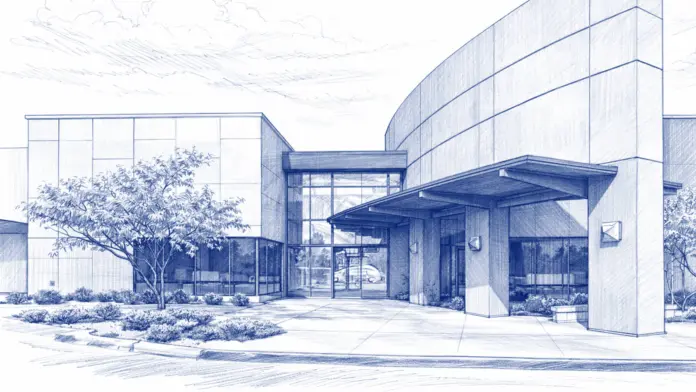
About NJ Psychotherapy Counseling Center
NJ Psychotherapy Counseling Center is an outpatient mental health clinic in Somerset, New Jersey offering therapy and medication management. With bilingual support in English and Spanish they deliver personalized and accessible mental health care through in-person and telehealth appointments statewide.
The center accepts Medicaid, Medicare, and most major insurance plans. They can treat co-occurring mental health disorders but refer clients who are in need of substance use treatment.
OCD and Anxiety Treatment with Evidence Based Care
NJ Psychotherapy Counseling Center specializes in treating OCD and anxiety disorders using Exposure and Response Prevention, CBT, and ACT. The team offers tailored interventions for excessive worry, intrusive thoughts, compulsions, and stress related symptoms.
Sessions focus on identifying thought patterns and practicing exposure exercises that reduce avoidance and build coping skills. Treatment addresses both immediate symptoms and underlying triggers empowering clients with practical strategies to manage distress and improve daily functioning between appointments.
Trauma Focused and Comprehensive Mental Health Services
The center also provides trauma focused therapy for PTSD and mood disorders, eating disorders and self harm, and behavioral concerns. Approaches include DBT and Motivational Interviewing, Solution Focused Therapy, and Person Centered Therapy with psychiatric medication management available for coordinated care.
Latest Reviews



Rehab Score
 Our Methodology


Location
Other Forms of Payment
Private insurance refers to any kind of healthcare coverage that isn't from the state or federal government. This includes individual and family plans offered by an employer or purchased from the Insurance Marketplace. Every plan will have different requirements and out of pocket costs so be sure to get the full details before you start treatment.
Sliding scale payments are based on a client's income and family size. The goal is to make treatment affordable to everyone. By taking these factors into account, addiction recovery care providers help ensure that your treatment does not become a financial burden to you or your family, eliminating one barrier to care.
Self-pay involves paying for treatment out of your own pocket. You can use savings or credit, get a personal loan, or receive help from family and friends to fund your treatment. If you don't have insurance or your insurance plan doesn't cover a specific program, self-pay can help ensure you still get the care you need.
Addiction Treatments
Levels of Care
Outpatient rehabs enable clients to receive a full continuum of care while continuing to live at home. They're often ideal for clients who are stepping down from inpatient care but some clients may prefer to transition into outpatient treatment immediately after completing detox. Many outpatient facilities also offer ambulatory medical detox for low-risk clients. Outpatient treatment generally includes psychotherapy and life skills training. Clients in opioid and/or alcohol recovery may also receive medication assisted treatment (MAT).
Treatments
Alcoholism (alcohol use disorder) is diagnosed when a person's drinking causes harm or distress and they continue to drink anyway. Often, they have a physical as well as psychological dependence on the substance. To treat alcohol addiction, medical detox is often necessary to safely withdraw from alcohol. Once this is complete, alcohol rehab in New Jersey can provide skills and supports necessary for long-term recovery.
Drug rehab in New Jersey is the process of addressing the complex issues involved with addiction. Challenges are identified and addressed through individual and group counseling. Participants learn how to manage these issues without the use of substances.
 Opioid Addiction
You can find comprehensive substance abuse treatment in New Jersey in drug and alcohol rehabs. These treatment programs typically provide a full continuum of care including medically assisted detox, inpatient, outpatient, dual-diagnosis, and intensive outpatient. With a comprehensive substance abuse evaluation, addiction experts provide individualized treatment plans to meet your specific needs. These programs address substance use disorders using evidence-based therapies, like cognitive behavioral therapy (CBT) and dialectical behavioral therapy (DBT), individual and family counseling, and recovery support groups.
Mental health often overlooked, but it's a critical component of addiction treatment and recovery. Mental health disorders can significantly impact your quality of life, relationships, and ability to function on a daily basis. Mental health conditions - depression, anxiety, bipolar disorder - and addiction require specialized treatment just like any other physical illness. When people have a mental health disorder and an addiction simultaneously, dual diagnosis treatment is essential.
Programs
The providers who specialize in the children's rehab space understand the specialized needs that this population faces. School-based and social services such as tutoring and family counseling are often central to treatment. Child programs may also address the needs of youth experiencing substance abuse in the home, including a parent's or sibling's addiction.
Adult rehab programs include therapies tailored to each client's specific needs, goals, and recovery progress. They are tailored to the specific challenges adult clients may face, including family and work pressures and commitments. From inpatient and residential treatment to various levels of outpatient services, there are many options available. Some facilities also help adults work through co-occurring conditions, like anxiety, that can accompany addiction.
Clinical Services
During individual therapy for drug addiction, patients receive a customized and tailored approach to understanding their unique circumstances and providing them with targeted interventions. These include coping skills, relapse prevention plans, and developing resilience, all of which are essential for long term recovery.
Group therapy settings offer you a diverse perspective on addiction and recovery. People from a variety of backgrounds gather together to discuss their challenges and speak openly and in a nonjudgmental atmosphere. This enriches your experience and your understanding of addiction and recovery.
Family therapy sessions address addiction related conflicts and other issues between members of the family unit. By strengthening communication and coping skills, as well as creating a nurturing environment, the family can help support their loved one's recovery.
Most experts in couples therapy are trained in several modes of treatment. This allows your therapist to draw from various techniques to personalize your therapy for your needs. This may include cognitive, emotional, and behavioral methods, which are all designed to help you strengthen your relationship.
Cognitive behavioral therapy (CBT) in New Jersey typically follows a set structure of treatment. The therapist helps clients identify their life challenges and their thoughts surrounding those challenges. The client then learns to identify unhealthy thought patterns and reshape those into healthy patterns of thinking and behavior.
Rehab.com regularly reviews this listing for accuracy but changes may occur between updates. For the most up-to-date information, please contact NJ Psychotherapy Counseling Center.
Contact Information


220 Davidson Ave suite 306, Somerset, NJ 08873
Sponsored Helpline


