






























































































They are not medically qualified to provide safe detox from opiates. they don't tell you from the start what your plan will be. It shows that they don't truly care about you and your health.
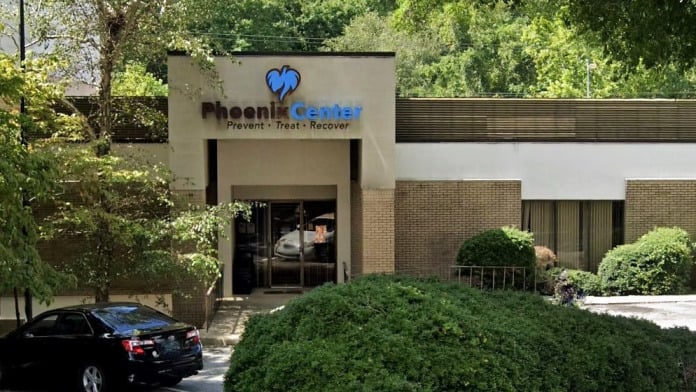
About Phoenix Center
If you need detoxification, they have a 10 bed facility onsite. During detox, you’ll have 24/7 monitoring from nurses and on call physicians. They have medication assisted treatment (MAT) if necessary. There are also counselors available. As you begin to stabilize during detox, you’ll start group therapy. It usually takes about a week to get through detox depending on your unique situation.
They have an adult residential program for men and women. You’ll get six hours of treatment daily. There’s also an outpatient program for which you can get assessed on a walk in basis Monday through Thursday at 8:15 a.m.
You can also attend Alcoholics Anonymous (AA) and Narcotics Anonymous (NA) meetings at the center. They also have family support groups. Addiction and mental health disorders create challenges for the whole family, so the center also addresses the needs of children.
There’s an adolescent outpatient program for kids ages 12-17. They’ll learn the risks of substance abuse and get intervention to avoid later substance abuse disorders. They’ll work with counselors who can help them with their emotional problems and discuss risky behaviors.
They can assess children as young as six weeks for the licensed daycare program that helps address specific issues faced by children of substance users. The daycare program works to reduce developmental problems that sometimes occur in children of substance users. They also work on parent-child bonding activities. The daycare program is licensed and is at Serenity Place and offered through the Phoenix Center.
Facility Overview
 16
16 Number of Available Beds
Latest Reviews
Mrs Amy was very helpful and sweet and did what she could to get done what I needed to do...
Had no issues getting signed up! I know some say they couldn't get checked in but you have to be here before 8 to make sure you are in line bc they can only take so many at a time. Also if you don't disclose all medications your taking yes you can fail a drug or alcohol test so disclose everything you take! I finished mine in about 4months never had issues with tests and never missed a day! They are here to help you they even have financial help if your insurance won't help pay just ask! Stay strong and know you are worth it!
They were absolutely wonderful there they were absolutely no problems with any of the people there that therapists are great I had a great experience there I recommended for anyone that is needing help with substance abuse actually from the bottom of my heart think this place because I don't know what I would have done without it

Rehab Score
 Our Methodology
Scoring is assigned by a proprietary system which helps surface key metrics that determine quality. The 10-point scale factors in categories such as operations, customer satisfaction, and trust metrics. Read Full Methodology

7.7 / 10
Gallery
Accepted Insurance
Other Forms of Payment
Private insurance refers to any kind of healthcare coverage that isn't from the state or federal government. This includes individual and family plans offered by an employer or purchased from the Insurance Marketplace. Every plan will have different requirements and out of pocket costs so be sure to get the full details before you start treatment.
Self-pay involves paying for treatment out of your own pocket. You can use savings or credit, get a personal loan, or receive help from family and friends to fund your treatment. If you don't have insurance or your insurance plan doesn't cover a specific program, self-pay can help ensure you still get the care you need.
Financial aid can take many forms. Centers may have grants or scholarships available to clients who meet eligibility requirements. Programs that receive SAMHSA grants may have financial aid available for those who need treatment as well. Grants and scholarships can help you pai for treatment without having to repay.
Sliding scale payments are based on a client's income and family size. The goal is to make treatment affordable to everyone. By taking these factors into account, addiction recovery care providers help ensure that your treatment does not become a financial burden to you or your family, eliminating one barrier to care.
Medicaid is a state based program that helps lower-income individuals and families pay for healthcare. Medicaid covers addiction treatment so those enrolled can use their coverage to pay for rehab. When a program accepts Medicaid the client often pays very little or nothing out of their own pocket.
Addiction Treatments
Levels of Care
The Phoenix Center offers outpatient services during the day and evening hours except Sundays. Their goal is to make treatment services available and convenient for our clients. Substance abuse is the kind of problem that can quickly become out of control and can negatively affect all aspects of life. The related problems may be physical, emotional, at work or school, or in relationships. At the Phoenix Center, their counselors work with adolescents, ages 12-17, who are involved in risky behaviors, have emotional problems, and/or need help with family problems. Through their Adolescent Outpatient program, adolescents are taught life-skills needed to change behaviors that could result in negative consequences.
Residential treatment programs are those that offer housing and meals in addition to substance abuse treatment. Rehab facilities that offer residential treatment allow patients to focus solely on recovery, in an environment totally separate from their lives. Some rehab centers specialize in short-term residential treatment (a few days to a week or two), while others solely provide treatment on a long-term basis (several weeks to months). Some offer both, and tailor treatment to the patient's individual requirements.
Intensive Outpatient Programs (IOP) are for those who want or need a very structured treatment program but who also wish to live at home and continue with certain responsibilities (such as work or school). IOP substance abuse treatment programs vary in duration and intensity, and certain outpatient rehab centers will offer individualized treatment programs.
Clients engaged in a rehab aftercare program are in a more advanced stage of recovery. Many have already completed inpatient detox and/or rehab and have returned to their home, workplace, and community. Rehab aftercare services are designed to support clients' recovery over the long term and typically include a broad portfolio of resources, such as peer coaching and 12 step program induction. Clients may collaborate with their case manager and care team to create their care plan.
Persons engaged in a 12 step program regularly attend group meetings in their communities, though online sessions are becoming increasingly popular. 12 step recovery is rooted in spiritual principles that enable participants to address the root causes of addiction and to foster self-awareness, compassion, acceptance, and accountability. Peer sponsors support participants as they work through the steps of recovery. Most programs are non-denominational, but specialized formats, including the faith-based Celebrate Recovery! format, are available.
Intervention services helps family or friends of addicts stage an intervention, which is a meeting in which loved ones share their concerns and attempt to get an addict into treatment. Professional intervention specialists can help loved ones organize, gather, and communicate with an addict. They can guide intervention participants in describing the damage the addict's behavior is causing and that outside help is necessary to address the addiction. The ideal outcome of an intervention is for the addict to go to rehab and get the help they need.
Drug and alcohol addiction often takes a heavy toll on one's body. Over time, a physical dependence can develop, meaning the body physiologically needs the substance to function. Detox is the process of removing drugs and/or alcohol from the body, a process that can be lethal if mismanaged. Medical detox is done by licensed medical professionals who monitor vital signs and keep you safe, healthy, and as comfortable as possible as you go through detox and withdrawal.
Treatments
The goal of treatment for alcoholism is abstinence. Those with poor social support, poor motivation, or psychiatric disorders tend to relapse within a few years of treatment. For these people, success is measured by longer periods of abstinence, reduced use of alcohol, better health, and improved social functioning. Recovery and Maintenance are usually based on 12 step programs and AA meetings.
Choosing a drug rehab in South Carolina helps you overcome drug dependency, learn how to manage cravings, and obtain the tools needed to prevent relapse. This is accomplished through individualized treatment that addresses a full spectrum of physical, social, and emotional needs.
Opioid rehabs specialize in supporting those recovering from opioid addiction. They treat those suffering from addiction to illegal opioids like heroin, as well as prescription drugs like oxycodone. These centers typically combine both physical as well as mental and emotional support to help stop addiction. Physical support often includes medical detox and subsequent medical support (including medication), and mental support includes in-depth therapy to address the underlying causes of addiction.
Substance rehabs focus on helping individuals recover from substance abuse, including alcohol and drug addiction (both illegal and prescription drugs). They often include the opportunity to engage in both individual as well as group therapy.
Programs
Adult rehab programs include therapies tailored to each client's specific needs, goals, and recovery progress. They are tailored to the specific challenges adult clients may face, including family and work pressures and commitments. From inpatient and residential treatment to various levels of outpatient services, there are many options available. Some facilities also help adults work through co-occurring conditions, like anxiety, that can accompany addiction.
Young adulthood can be an exciting, yet difficult, time of transition. Individuals in their late teens to mid-20s face unique stressors related to school, jobs, families, and social circles, which can lead to a rise in substance use. Rehab centers with dedicated young adult programs will include activities and amenities that cater to this age group, with an emphasis on specialized counseling, peer socialization, and ongoing aftercare.
Recovery is most successful when clients feel accepted and validated by their peers and treatment providers. Facilities that offer LGBTQ-inclusive programming are committed to creating a safe space where everyone can grow and recover without fear of judgment or discrimination. They will have dedicated policies in place to create a safe and supportive environment that fosters free expression.
Teen programs are designed to address the unique pressures teens face, pressures that can drive them to experiment with dangerous, addictive substances. They need programs that meet them exactly where they are and give them tools for long-term recovery. Therapy can help teenagers understand and work through underlying issues so they can reclaim the life ahead of them.
Clinical Services
The main basis of cognitive behavioral therapy in South Carolina is that all your thoughts, feelings, and behaviors are interconnected. Therefore, the therapist will help you change your thoughts, which will lead to different emotions and actions.
Group therapy is any therapeutic work that happens in a group (not one-on-one). There are a number of different group therapy modalities, including support groups, experiential therapy, psycho-education, and more. Group therapy involves treatment as well as processing interaction between group members.
In individual therapy, a patient meets one-on-one with a trained psychologist or counselor. Therapy is a pivotal part of effective substance abuse treatment, as it often covers root causes of addiction, including challenges faced by the patient in their social, family, and work/school life.
There are four fundamental processes to motivational interviewing in South Carolina. Engaging involves careful listening to understand the client's perspective. Focusing involves reaching an agreement on the purpose of the treatment. Evoking is the process of exploring the client's ideas and motivations. Planning explores how the client can make changes.
The overall goal of trauma therapy is to address and reduce the lingering physical and emotional effects that trauma has had on your life. You work within a safe space with an experienced therapist to understand your responses and develop healthier coping mechanisms.
Research clearly demonstrates that recovery is far more successful and sustainable when loved ones like family members participate in rehab and substance abuse treatment. Genetic factors may be at play when it comes to drug and alcohol addiction, as well as mental health issues. Family dynamics often play a critical role in addiction triggers, and if properly educated, family members can be a strong source of support when it comes to rehabilitation.
Recreational therapy helps you recover from drug and alcohol addiction by offering activities that improve your physical and mental health. When you participate in team sports, arts, and outdoor adventures, you engage in a positive experience that helps reduce your cravings and stress levels while giving you an opportunity to express your emotions.
Amenities
-
 Residential Setting
 -
 Private Setting
Staff & Accreditations
Staff
Becky Lee Maddox, MPA
CEO
Jessica Owens
COO
Shawn Tobin
Chief Human Resource Officer
Tricia Hackett
Finance Director
Ben Gold
Operations Manager
Amanda Davis
Prevention Manager
Michael McLain
Community Engagement Director
Kimbley Smith
Women & Children Services Director
Accreditations

The Commission on Accreditation of Rehabilitation Facilities (CARF) is a non-profit organization that specifically accredits rehab organizations. Founded in 1966, CARF's, mission is to help service providers like rehab facilities maintain high standards of care.
CARF Accreditation: Yes
Rehab.com regularly reviews this listing for accuracy but changes may occur between updates. For the most up-to-date information, please contact Phoenix Center.
Contact Information

1400 Cleveland Street
Greenville, SC 29607
Get Help Now - 864-742-7022
Sponsored Helpline
Sponsored Helpline



