








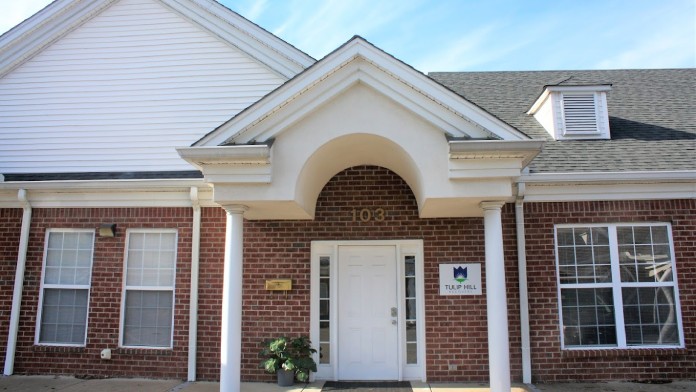
Tulip Hill Recovery
1
Top 10 Rehab Centers In Murfreesboro





















 Our Methodology


Private insurance refers to any kind of healthcare coverage that isn't from the state or federal government. This includes individual and family plans offered by an employer or purchased from the Insurance Marketplace. Every plan will have different requirements and out of pocket costs so be sure to get the full details before you start treatment.
Self-pay involves paying for treatment out of your own pocket. You can use savings or credit, get a personal loan, or receive help from family and friends to fund your treatment. If you don't have insurance or your insurance plan doesn't cover a specific program, self-pay can help ensure you still get the care you need.
Medical detox involves weaning your body off drugs and/or alcohol in an inpatient setting, and is often the first step in addiction recovery. Quitting alcohol and certain drugs (like benzodiazepines or opioids) can cause dangerous side effects once you have become physically dependent. In medically assisted detox, a team of on-site healthcare professionals will work to keep you safe and comfortable during this process. Additionally, they may administer medications when needed to alleviate any withdrawal symptoms.
A partial hospitalization program (PHP) offers short-term intensive care for drug and alcohol addiction. Often part of a step-down service, PHP treatment allows you to attend treatment on-site during the day, then return home during non-treatment hours. Plans of care typically include relapse prevention, medication management, and behavioral therapy services. Depending on your progress, the duration of a PHP can average 90 days with daily sessions running 4-8 hours per week. Most insurance providers fully or partially cover PHP treatment.
Intensive outpatient programs (IOP) support clients' return to their community following inpatient treatment and may also offer an alternative to hospitalization for clients who are relatively stable following detox. Many intensive outpatient rehabs require clients to participate in a minimum of nine and a maximum of 20 treatment hours weekly. IOP services are also highly customizable and typically include a combination of addiction counseling, recovery-focused life skills training, medication assisted treatment (MAT), and holistic therapies such as meditation.
Clients who are admitted to an outpatient rehab may be stepping down from intensive inpatient care or may be transitioning directly from a detox facility. Outpatient treatment enables clients to remain in or return to their home, workplace, and community without compromising access to care. Clients engage in addiction counseling and recovery education and may also receive evidence-based complementary therapies, such as yoga, acupuncture, and massage. Medication assisted treatment (MAT) is commonly available for clients in alcohol and/or opioid recovery.
Rehab aftercare programs support clients' long-term recovery through highly customized wraparound care aligned with clients' evolving needs. Most have been sober for a period of weeks or longer and have completed intensive inpatient rehab but may be receiving outpatient care. Many clients also receive services after being discharged from formal treatment. Long-term care plans are typically developed in collaboration with the client's case manager and care team and may include peer coaching, relapse prevention, and related services.
Individuals staying in a sober living home in Wisconsin benefit from support and friendship with others in recovery. They're also encouraged to continue rehab through support groups and outpatient treatment. Halfway house residents further benefit from increased responsibility and mutual accountability that helps them practice recovery skills. Their time at a sober living home prepares them to transition back to regular life after treatment.
Treatment for alcohol use disorder (AUD) is available in several formats and levels of care. The treatment process address various issues that contribute to a dependence on alcohol (often referred to as alcoholism). Alcohol rehab in Wisconsin provides the tools and supports you'll need to overcome AUD and maintain long-term sobriety.
The goal of drug rehab in Wisconsin is to address drug addiction as a complex issue that involves physical, mental, and relational aspects. During rehab, treatment focuses on each of these areas and gives you the tools you need to achieve and maintain sobriety.
Wisconsin has a range of dual-diagnosis addiction treatment programs for individuals with co-occurring substance use disorders and mental health conditions, available on an inpatient and outpatient basis. Therapies such as cognitive-behavioral therapy (CBT), dialectical behavior therapy (DBT), are used in conjunction with medication management and group therapy to address both disorders simultaneously. By treating both disorders at the same time, you'll improve your mental health, develop crucial skills to handle stress and resist relapse, and improve your quality of life.
 Mental Health And Substance Abuse
 Opioid Addiction
Dual-diagnosis treatment programs in Wisconsin can provide substance abuse treatment for individuals facing addiction and co-occurring mental health disorders. You can usually find treatment to suit your individual needs, whether that is inpatient, outpatient, or day treatment. These programs utilize evidence-based therapies such as cognitive-behavioral therapy (CBT), dialectical behavior therapy (DBT), and mindfulness-based interventions to help you relearn new thought patterns, develop new coping strategies, and learn the skills to maintain recovery.
Alcohol and drugs are often used to self-medicate the symptoms of mental health problems, plus they can increase your underlying risk for mental disorders. Alcohol and drug abuse can also make symptoms of a mental health problem worse. Obviously, substance abuse and mental health disorders are closely linked, which makes it essential to treat both at the same time. This specialized form of rehab is known as dual diagnosis.
Adult rehab programs include therapies tailored to each client's specific needs, goals, and recovery progress. They are tailored to the specific challenges adult clients may face, including family and work pressures and commitments. From inpatient and residential treatment to various levels of outpatient services, there are many options available. Some facilities also help adults work through co-occurring conditions, like anxiety, that can accompany addiction.
 Assertive Community Treatment
The word dialectical describes the foundation of dialectical behavior therapy (DBT). Meaning "opposite," the word refers to the treatment's focus on both acceptance and change. While learning to accept where you are and the emotions you're feeling, you also learn to grow and change to establish healthier patterns in your life.
One focus of family therapy is to create a network for the individual in recovery. Families must identify dysfunctional patterns and develop healthier ways of interacting. This can significantly improve their loved one's treatment outcome.
Conflict resolution and stress are common triggers for addictive behavior. Within a group therapy setting, participants learn to practice essential skills to improve relationships, manage conflict, and reduce stress. Each of these is a crucial factor in maintaining recovery.
 Hypnotherapy
Individual therapy offers you a tailored approach to treat drug addiction. This focuses on your unique needs and offers you personalized support outside of a group setting. You begin to understand what triggers your addictive behavior and develop coping skills that can support your recovery.
Addiction treatment in Wisconsin emphasizes life skills training to help you relearn critical capabilities for day to day life. This training helps you build healthy, positive strategies for everything from self care, to career, to interpersonal relationships.
 Art Activities
 Private Setting

The Joint Commission, formerly known as JCAHO, is a nonprofit organization that accredits rehab organizations and programs. Founded in 1951, the Joint Commision's mission is to improve the quality of patient care and demonstrating the quality of patient care.
Joint Commission Accreditation: Yes
Rehab.com regularly reviews this listing for accuracy but changes may occur between updates. For the most up-to-date information, please contact Pine Meadows Recovery.

4633 Washington Rd.
STE A
Kenosha, Wisconsin 53144
Sponsored Helpline
 Back
Sharing your insights and experiences can help others learn more about this rehab center.