





























































































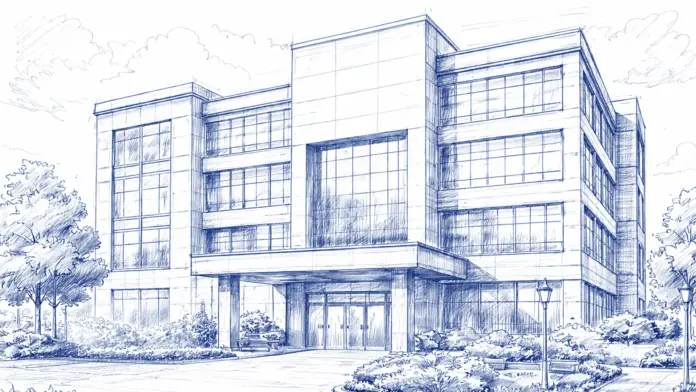
About Pittsburgh Suboxone Doctor
Pittsburgh Suboxone Doctor is an outpatient addiction treatment clinic in Bridgeville, Pennsylvania specializing in medication assisted treatment for opioid addiction. The practice offers Suboxone treatment combined with counseling and therapy to support long term recovery, with both in person and telehealth options available. Clients benefit from personalized care tailored to their needs in a convenient suburban setting.
What services are provided?
Pittsburgh Suboxone Doctor offers outpatient medication assisted treatment using Suboxone to help manage opioid dependency. Treatment includes a combination of counseling and therapy to address the psychological aspects of addiction and support sustained recovery.
Who can get treatment here?
The clinic serves individuals struggling with opioid addiction who are seeking outpatient care. Both in person visits and telehealth appointments are available to work around different schedules and preferences.
Where is the clinic located?
Pittsburgh Suboxone Doctor is located on Station Street in Bridgeville, a suburban community that offers convenient access for clients throughout the Pittsburgh area.
Do they accept insurance?
Yes, Pittsburgh Suboxone Doctor is an insurance based clinic. The team can also help clients acquire insurance coverage if needed to access treatment.
How do I get started?
Contact Pittsburgh Suboxone Doctor in Bridgeville to schedule an assessment and learn more about how Suboxone treatment and counseling can support your recovery from opioid addiction.

Rehab Score
 Our Methodology


Location
Other Forms of Payment
Private insurance refers to any kind of healthcare coverage that isn't from the state or federal government. This includes individual and family plans offered by an employer or purchased from the Insurance Marketplace. Every plan will have different requirements and out of pocket costs so be sure to get the full details before you start treatment.
Addiction Treatments
Levels of Care
Outpatient rehabs specialize in providing comprehensive care for clients who choose to remain in their homes and communities during treatment. Their services may include transitional support for clients stepping down from intensive inpatient programming. Ambulatory medical detox may be provided for clients at low risk for withdrawal complications. Many programs include evening, night, and weekend services to accommodate clients who are working professionals or caregivers. Addiction counseling and life skills training are common treatment modalities.
Telehealth increases care access to underserved communities and at-risk populations. Because it allows patients to receive care without visiting a provider in person, many barriers are removed. Telehealth eliminates transportation issues, increases convenience, and opens up options to providers who are located far away.
Treatments
 Opioid Addiction
Drug rehab in Pennsylvania is devoted to the treatment of addiction. Levels of care, treatment methods, and settings differ, but the aim of each program is to end drug dependency and empower participants to achieve long-term recovery.
In Pennsylvania, substance abuse treatment programs can help address addiction and any co-occurring mental health problems. These programs incorporate evidence-based therapies such as cognitive-behavioral therapy (CBT), dialectical behavior therapy (DBT), and psychoeducation to help you uncover the underlying causes for your substance use and develop new skills to help you manage stress and overcome future triggers which may challenge your sobriety.
If you have a mental health condition and an addiction, it is critical to address both conditions simultaneously. If you only address the mental health disorder, you'll likely continue to use drugs or alcohol, which can make your mental health issues even worse. On the other hand, if you only address the addiction, you won't have the tools to cope with your mental health disorder in a healthy way.
Pennsylvania's specialized dual-diagnosis addiction treatment programs prioritize comprehensive care for individuals with co-occurring substance use disorders and mental health conditions. Providing various levels of care, including outpatient, inpatient, and partial hospitalization, dual-diagnosis experts use evidence-based therapies, recovery support groups, and education to treat both disorders, promote mental health, and improve your quality of life.
Clinical Services
Cognitive behavioral therapy (CBT) in Pennsylvania can be helpful to individuals who are experiencing substance use disorder and various mental health conditions. It helps you identify damaging thought and behavior patterns and replace them with healthy ones.
Group therapy sessions in Pennsylvania offer you a safe space when you're struggling with drug and alcohol addiction. You can openly discuss your challenges and the progress you're making in rehabilitation. Sharing this responsibility with others in your group fosters a commitment to sobriety and helps create strong bonds with your peers.
Personalized therapy sessions in Pennsylvania typically include a safe and nonjudgmental setting in which you can express your deepest emotions and feelings and explore the factors that have contributed to addiction. Therapists tailor the sessions to help you develop healthier thought patterns and behaviors, which improve your self control and build a foundation for your long term sobriety.
Rehab.com regularly reviews this listing for accuracy but changes may occur between updates. For the most up-to-date information, please contact Pittsburgh Suboxone Doctor.
Contact Information


316 Station St Ste 100, Bridgeville, PA 15017
Sponsored Helpline


