

























































































About Pyramid Healthcare Inc. – York Outpatient Treatment Center
Their outpatient programs are well structured and they also have intensive outpatient and partial hospitalization programs if you need more intentional or robust services. They accept most insurance policies including select VA benefits.
In addition to the substance use counseling services you’ll find here, there are also addiction awareness and DUI programs as well.
If you have lost driving privileges or are navigating the legal system because of your substance use struggles then these programs can help you get back onto a path toward health and wellness. Walk-in assessments are available during select hours throughout the weekday.
Serving various states throughout the northeast, Pyramid Healthcare has experience providing quality behavioral healthcare services to individuals who are at risk, those who might not be aware they have a substance use disorder, and those who are ready to start their recovery journey.
Despite being a larger scale mental healthcare provider, the services here are individualized and structured to your needs. The clinic is near the center of the city, is easy to get to and is staffed with a personable, recovery oriented team. There’s a level of personalization to the care you’ll receive here that will allow you to feel respected and not judged as you work toward a healthier future.

Rehab Score
 Our Methodology


Gallery
Accepted Insurance




Other Forms of Payment
Medicaid is a state based program that helps lower-income individuals and families pay for healthcare. Medicaid covers addiction treatment so those enrolled can use their coverage to pay for rehab. When a program accepts Medicaid the client often pays very little or nothing out of their own pocket.
Private insurance refers to any kind of healthcare coverage that isn't from the state or federal government. This includes individual and family plans offered by an employer or purchased from the Insurance Marketplace. Every plan will have different requirements and out of pocket costs so be sure to get the full details before you start treatment.
Self-pay involves paying for treatment out of your own pocket. You can use savings or credit, get a personal loan, or receive help from family and friends to fund your treatment. If you don't have insurance or your insurance plan doesn't cover a specific program, self-pay can help ensure you still get the care you need.
Military members, veterans, and eligible dependents have access to specific insurance programs that help them get the care they need. TRICARE and VA insurance can help you access low cost or no cost addiction and mental health treatment. Programs that accept military insurance often have targeted treatment focused on the unique challenges military members, veterans, and their families face.
Addiction Treatments
Levels of Care
Their outpatient treatment programs provide individual counseling, group therapy sessions, and life skills workshops to give clients the tools necessary to live a sober and healthy lifestyle. Individuals and their families are also educated on the nature of addiction, how to avoid relapse, and strategies for maintaining a drug-free lifestyle. Clients in their outpatient treatment programs continue to live in their own homes, allowing them to uphold work, family, and academic commitments. They may not reside in a guaranteed sober environment, and may be forced to confront and cope with triggers present in their everyday lives during recovery.
Intensive Outpatient programs are for those who want or need a very structured treatment program but who also wish to live at home and continue with certain responsibilities (such as work or school). Offered at some of their outpatient treatment facilities, partial hospitalization and intensive outpatient programs are more highly structured forms of outpatient treatment. In these programs, clients attend programming three to five days per week and return home in the evenings.
With a partial hospitalization program (PHP), you can participate in intensive rehabilitation treatment with the ability to return home at the end of the day. For a weekly minimum of 20 hours, a partial hospitalization program can take place up to 5 days a week for an average of 90 days. During PHP treatment, you can receive relapse prevention strategies, medication management, individual and group therapy, and other behavioral therapy interventions.
Treatments
The goal of treatment for alcoholism is abstinence. Those with poor social support, poor motivation, or psychiatric disorders tend to relapse within a few years of treatment. For these people, success is measured by longer periods of abstinence, reduced use of alcohol, better health, and improved social functioning. Recovery and Maintenance are usually based on 12 step programs and AA meetings.
Drug rehab in Pennsylvania is devoted to the treatment of addiction. Levels of care, treatment methods, and settings differ, but the aim of each program is to end drug dependency and empower participants to achieve long-term recovery.
Opioid rehabs specialize in supporting those recovering from opioid addiction. They treat those suffering from addiction to illegal opioids like heroin, as well as prescription drugs like oxycodone. These centers typically combine both physical as well as mental and emotional support to help stop addiction. Physical support often includes medical detox and subsequent medical support (including medication), and mental support includes in-depth therapy to address the underlying causes of addiction.
Substance rehabs focus on helping individuals recover from substance abuse, including alcohol and drug addiction (both illegal and prescription drugs). They often include the opportunity to engage in both individual as well as group therapy.
Pennsylvania's specialized dual-diagnosis addiction treatment programs prioritize comprehensive care for individuals with co-occurring substance use disorders and mental health conditions. Providing various levels of care, including outpatient, inpatient, and partial hospitalization, dual-diagnosis experts use evidence-based therapies, recovery support groups, and education to treat both disorders, promote mental health, and improve your quality of life.
Programs
Adult rehab programs include therapies tailored to each client's specific needs, goals, and recovery progress. They are tailored to the specific challenges adult clients may face, including family and work pressures and commitments. From inpatient and residential treatment to various levels of outpatient services, there are many options available. Some facilities also help adults work through co-occurring conditions, like anxiety, that can accompany addiction.
Men face specific challenges and concerns when seeking addiction treatment. Gender-specific recovery programs help them tackle these issues head-on in an environment that's focused, targeted, and distraction-free. It also gives them the opportunity to connect with and learn from other men who have been through a similar journey and can offer support for the next step.
Rehabs for women provide a safe, nurturing space for female clients to heal. These treatment programs consider the specific obstacles that women can face during recovery and place a special emphasis on mental, social, physical, and reproductive health. They explore how each woman's experience has shaped the trajectory of their substance use, addressing issues such as sexual abuse and past trauma.
Clinical Services
Family involvement can be critical to a client’s success during and after treatment. Pyramid Healthcare has developed a family program designed to educate the client’s family members about the disease of addiction. This program helps both the individual in specialty treatment and their family learn skills and develop behaviors effective in minimizing the negative impact of the addiction on the familial relationship. Their family program can also open lines of communication between the client and their family members. Pyramid Healthcare counselors can provide family counseling if it is requested by the client.
Group therapy is any therapeutic work that happens in a group (not one-on-one). There are a number of different group therapy modalities, including support groups, experiential therapy, psycho-education, and more. Group therapy involves treatment as well as processing interaction between group members.
In individual therapy, a patient meets one-on-one with a trained psychologist or counselor. Therapy is a pivotal part of effective substance abuse treatment, as it often covers root causes of addiction, including challenges faced by the patient in their social, family, and work/school life.
Cognitive behavioral therapy (CBT) in Pennsylvania can be helpful to individuals who are experiencing substance use disorder and various mental health conditions. It helps you identify damaging thought and behavior patterns and replace them with healthy ones.
Motivational interviewing in Pennsylvania gives you the opportunity to share your perspective and explore your ideas and motivation for change. Your therapist will walk you through the four steps of engaging, focusing, evoking, and planning to empower you to make any desired changes in your life.
Life skills are the mental and social skills that are necessary to navigate day to day life. Addiction diminishes or eliminates these skills, so they must be relearned and practiced during drug rehab treatment in Pennsylvania.
Amenities
-
 Gym
Gym -
 Yoga Studio
 -
 Basketball Court
Staff & Accreditations
Staff
Jeanimarie Goodwin
VP of Operations
Tyler Frederick
Senior Director of Marketing
Stephanie Thomas
Regional Director of Marketing
Holly Livingston, MSW
Regional Director of Marketing
Aleisha Albertson
Regional Residential Director
Kelly Salloum
Regional Residential Director
Katherine Beidel
Regional Outpatient Director
Accreditations

The Commission on Accreditation of Rehabilitation Facilities (CARF) is a non-profit organization that specifically accredits rehab organizations. Founded in 1966, CARF's, mission is to help service providers like rehab facilities maintain high standards of care.
CARF Accreditation: Yes
Contact Information


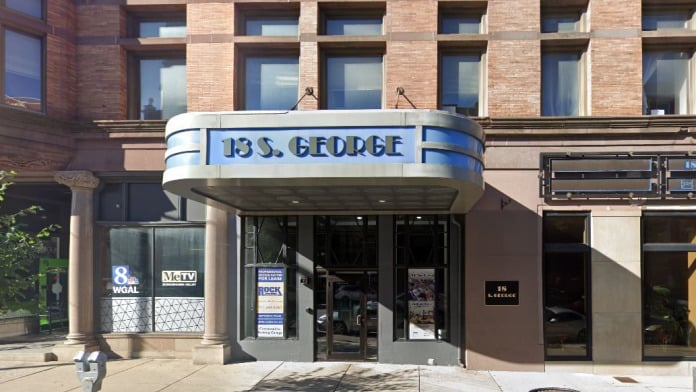
18 S George St
STE 401
York, PA 17401
Sponsored Helpline


