




























































































About Pyramid Healthcare Inc. – Ridgeview Residential Treatment Center for Young Adult Men
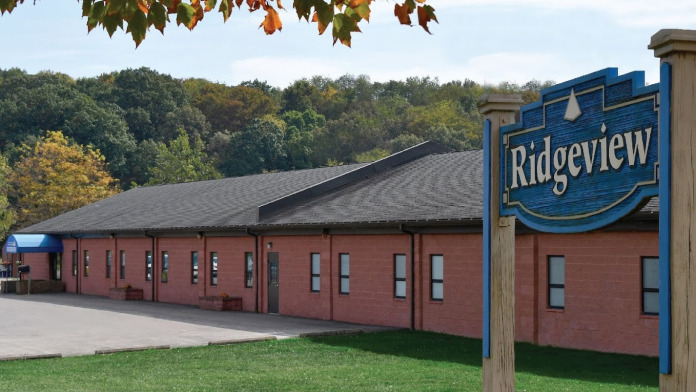
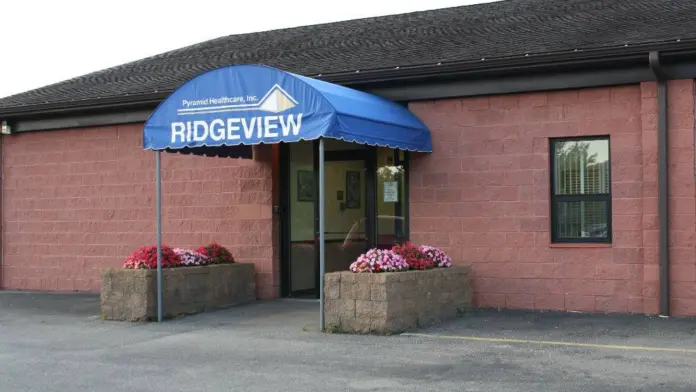
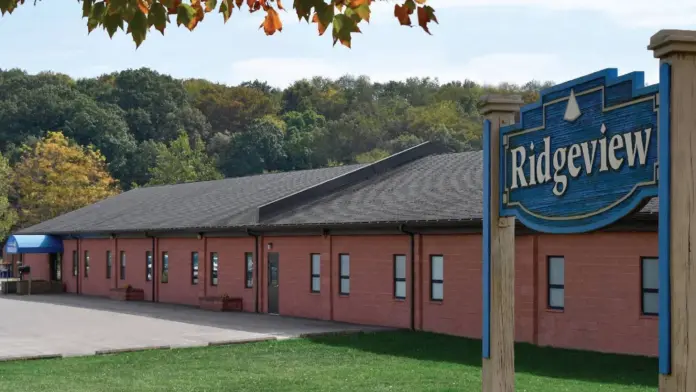
Ridgeview Residential Treatment Center, part of Pyramid Healthcare Inc., is a residential addiction treatment provider in Gibsonia, Pennsylvania.
The program offers residential substance use treatment along with support for co-occurring mental health conditions, using a mix of individual and group therapy, family involvement and peer support.
Residential Treatment at Ridgeview
Ridgeview provides residential treatment for substance use disorders, with both short and long-term care options.
Therapies may include individual and group counseling, trauma therapy, family therapy, cognitive behavioral therapy, dialectical behavior therapy, relapse prevention and 12-step facilitation.
Peer support and family involvement round out the recovery experience.
Reviewers who had positive experiences highlighted supportive staff and a strong focus on accountability.
Facility Amenities and Insurance Details
Set in a residential environment in Gibsonia, the center offers private rooms that provide personal space for reflection and rest.
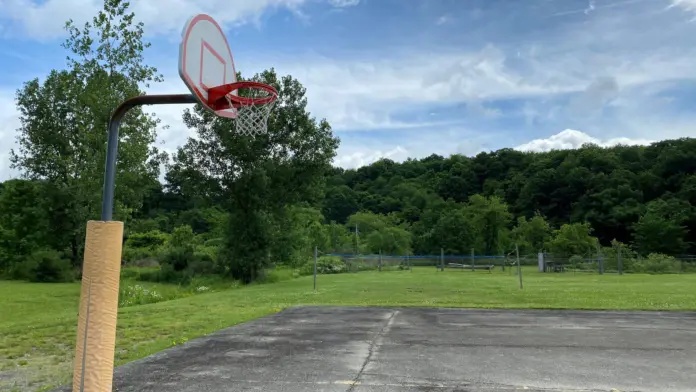
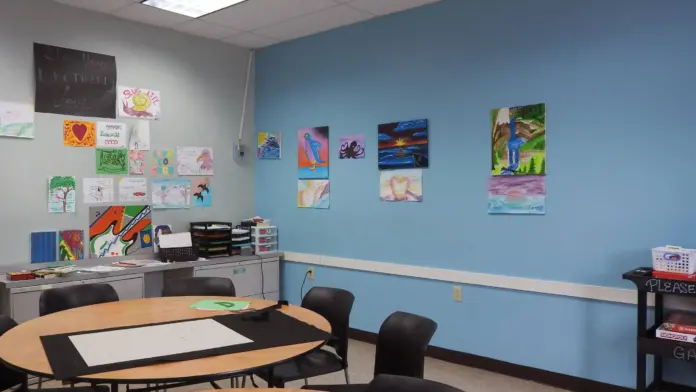
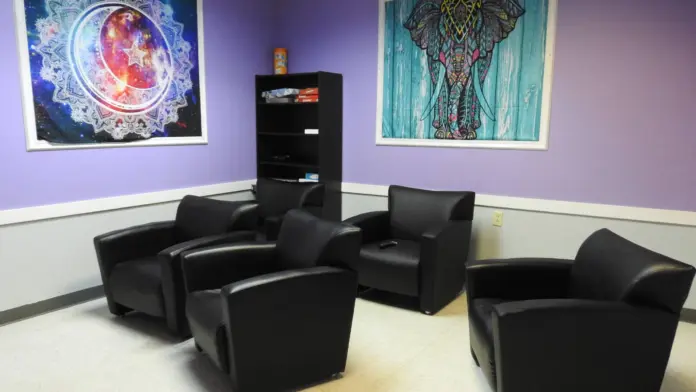
Recreational features such as a basketball court, gardens, a rec room and art activities help support stress relief and healing during treatment.
Ridgeview accepts Medicaid, most major private insurance plans and self-pay options.
Latest Reviews



Rehab Score
 Our Methodology


Gallery
Accepted Insurance


Other Forms of Payment
Private insurance refers to any kind of healthcare coverage that isn't from the state or federal government. This includes individual and family plans offered by an employer or purchased from the Insurance Marketplace. Every plan will have different requirements and out of pocket costs so be sure to get the full details before you start treatment.
Self-pay involves paying for treatment out of your own pocket. You can use savings or credit, get a personal loan, or receive help from family and friends to fund your treatment. If you don't have insurance or your insurance plan doesn't cover a specific program, self-pay can help ensure you still get the care you need.
Financial aid can take many forms. Centers may have grants or scholarships available to clients who meet eligibility requirements. Programs that receive SAMHSA grants may have financial aid available for those who need treatment as well. Grants and scholarships can help you pai for treatment without having to repay.
Medicaid is a state based program that helps lower-income individuals and families pay for healthcare. Medicaid covers addiction treatment so those enrolled can use their coverage to pay for rehab. When a program accepts Medicaid the client often pays very little or nothing out of their own pocket.
Addiction Treatments
Levels of Care
Their teen outpatient treatment programs provide therapy and counseling for teens who have completed a stay in a residential facility or who are struggling with substance abuse or addiction. They can provide professional assessments and treatment recommendations if you believe your teen needs help. These programs are less restrictive than residential treatment and allow teens to continue living at home in a familiar environment throughout their recovery process. Their outpatient programs consider all factors that may contribute to teen addiction, and address these issues through individual, family, and group therapy, among other treatment strategies.
Teens in our residential treatment programs live on-site in a structured, gender-separate setting where they will receive individual counseling and engage in group support sessions to help them recognize and address the complex developmental issues, relationships, and educational concerns that may have led them to turn to drugs or alcohol. Tjeu aim to provide a safe and supportive environment in which young people are challenged to examine their past negative behaviors and learn positive ways to cope.
Intensive Outpatient Programs (IOP) are for those who want or need a very structured treatment program but who also wish to live at home and continue with certain responsibilities (such as work or school). IOP substance abuse treatment programs vary in duration and intensity, and certain outpatient rehab centers will offer individualized treatment programs.
Clients receiving services from a rehab aftercare program are usually stable and in the maintenance phase of recovery, having completed detox and/or intensive inpatient treatment. Rehab aftercare services can vary widely based on clients' individual and evolving needs, but often include peer coaching, relapse prevention support, 12 step program induction, and medical, mental health, and social service referrals. Individual care plans are typically developed by the client in partnership with their case manager and care team.
Their inpatient residential treatment programs rely on the 12-step philosophy as an integral part of recovery. Clients attend Alcoholics Anonymous or Narcotics Anonymous as part of their treatment regimen. Beginning steps involve admitting powerlessness over the addiction and creating a spiritual basis for recovery. Middle steps including making direct amends to those who've been hurt by the addiction, and the final step is to assist others in addiction recovery in the same way.
Drug and alcohol addiction often takes a heavy toll on one's body. Over time, a physical dependence can develop, meaning the body physiologically needs the substance to function. Detox is the process of removing drugs and/or alcohol from the body, a process that can be lethal if mismanaged. Medical detox is done by licensed medical professionals who monitor vital signs and keep you safe, healthy, and as comfortable as possible as you go through detox and withdrawal.
Treatments
The goal of treatment for alcoholism is abstinence. Those with poor social support, poor motivation, or psychiatric disorders tend to relapse within a few years of treatment. For these people, success is measured by longer periods of abstinence, reduced use of alcohol, better health, and improved social functioning. Recovery and Maintenance are usually based on 12 step programs and AA meetings.
Drug rehab in Pennsylvania is devoted to the treatment of addiction. Levels of care, treatment methods, and settings differ, but the aim of each program is to end drug dependency and empower participants to achieve long-term recovery.
Opioid rehabs specialize in supporting those recovering from opioid addiction. They treat those suffering from addiction to illegal opioids like heroin, as well as prescription drugs like oxycodone. These centers typically combine both physical as well as mental and emotional support to help stop addiction. Physical support often includes medical detox and subsequent medical support (including medication), and mental support includes in-depth therapy to address the underlying causes of addiction.
Substance rehabs focus on helping individuals recover from substance abuse, including alcohol and drug addiction (both illegal and prescription drugs). They often include the opportunity to engage in both individual as well as group therapy.
Pennsylvania's specialized dual-diagnosis addiction treatment programs prioritize comprehensive care for individuals with co-occurring substance use disorders and mental health conditions. Providing various levels of care, including outpatient, inpatient, and partial hospitalization, dual-diagnosis experts use evidence-based therapies, recovery support groups, and education to treat both disorders, promote mental health, and improve your quality of life.
Programs
Young adulthood can be an exciting, yet difficult, time of transition. Individuals in their late teens to mid-20s face unique stressors related to school, jobs, families, and social circles, which can lead to a rise in substance use. Rehab centers with dedicated young adult programs will include activities and amenities that cater to this age group, with an emphasis on specialized counseling, peer socialization, and ongoing aftercare.
Clinical Services
Group therapy is any therapeutic work that happens in a group (not one-on-one). There are a number of different group therapy modalities, including support groups, experiential therapy, psycho-education, and more. Group therapy involves treatment as well as processing interaction between group members.
In individual therapy, a patient meets one-on-one with a trained psychologist or counselor. Therapy is a pivotal part of effective substance abuse treatment, as it often covers root causes of addiction, including challenges faced by the patient in their social, family, and work/school life.
Trauma therapy addresses traumatic incidents from a client's past that are likely affecting their present-day experience. Trauma is often one of the primary triggers and potential causes of addiction, and can stem from child sexual abuse, domestic violence, having a parent with a mental illness, losing one or both parents at a young age, teenage or adult sexual assault, or any number of other factors. The purpose of trauma therapy is to allow a patient to process trauma and move through and past it, with the help of trained and compassionate mental health professionals.
Couples therapy in Pennsylvania is typically short term treatment that focuses on building skills that lead to positive long term relationship changes. Sessions with the therapist may occur both jointly and individually.
Family involvement can be critical to a client’s success during and after treatment. Pyramid Healthcare has developed a family program designed to educate the client’s family members about the disease of addiction. This program helps both the individual in specialty treatment and their family learn skills and develop behaviors effective in minimizing the negative impact of the addiction on the familial relationship. Their family program can also open lines of communication between the client and their family members. Pyramid Healthcare counselors can provide family counseling if it is requested by the client. Family therapy is a critical component in the treatment of adolescents. They help family members identify contributing factors and changes that must occur within the home in order for their adolescent to achieve long-term recovery.
Assisting their clients in their search for recovery and a higher quality of life is a crucial part of their mission. In order to help individuals struggling from addiction successfully reintegrate into the community once they have completed treatment, they provide extensive life skills training at their halfway houses and residential programs. Pyramid Healthcare specialists and clinicians collaborate in an effort to provide clients with guidance and instruction on a variety of real-world topics. These include financial management, job preparation, communication skills, social etiquette, volunteerism, and the appropriate utilization of community resources.
Artistic talent is not required to participate in creative arts therapy. This form of rehab treatment in Pennsylvania simply allows you to try different art media and use the one that works best for you to express yourself. The goal is not to produce quality art but to use the creative process as an outlet for recovery.
Experiential therapy is a form of therapy in which clients are encouraged to surface and work through subconscious issues by engaging in real-time experiences. Experiential therapy departs from traditional talk therapy by involving the body, and having clients engage in activities, movements, and physical and emotional expression. This can involve role-play or using props (which can include other people). Experiential therapy can help people process trauma, memories, and emotion quickly, deeply, and in a lasting fashion, leading to substantial and impactful healing.
Cognitive behavioral therapy (CBT) in Pennsylvania can be helpful to individuals who are experiencing substance use disorder and various mental health conditions. It helps you identify damaging thought and behavior patterns and replace them with healthy ones.
Dialectical behavior therapy in Pennsylvania is an evidence based technique that involves group therapy, individual therapy, and phone coaching. Group sessions focus on learning behavioral skills. Individual therapy gives you the opportunity to apply what you're learning to your personal situations. Phone coaching allows you to call your therapist during the week for help with challenging situations.
Amenities
-
 Residential Setting
 -
 Private Rooms
 -
 Gardens
 -
 Basketball Court
Accreditations

The Commission on Accreditation of Rehabilitation Facilities (CARF) is a non-profit organization that specifically accredits rehab organizations. Founded in 1966, CARF's, mission is to help service providers like rehab facilities maintain high standards of care.
CARF Accreditation: Yes
Rehab.com regularly reviews this listing for accuracy but changes may occur between updates. For the most up-to-date information, please contact Pyramid Healthcare Inc. – Ridgeview Residential Treatment Center for Young Adult Men.
Contact Information


4447 Gibsonia Road
Gibsonia, PA 15044
Sponsored Helpline


