






























































































I am so grateful to all of the staff at ROS, they literally made the biggest effort, I will forever be grateful for each and every person there that was part of my early recovery, As of today I have continued my sobriety for over a year and I pray that I never have to live t ...
About Recovery Outreach Services, LLC
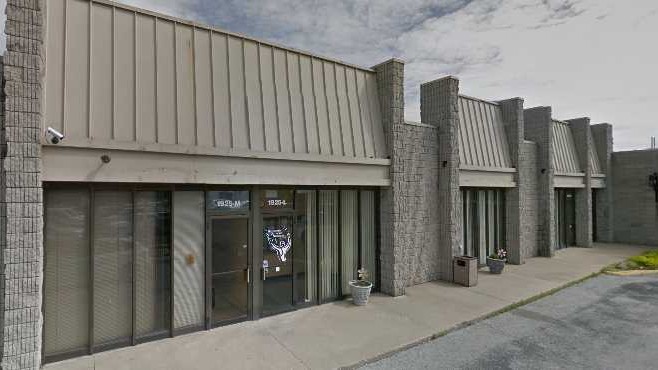
Located in Springfield, Missouri is the organization, Recovery Outreach Services, LLC. This is a counseling and treatment center that provides services to adults who are struggling with substance use. There are also driver improvement classes if you’re navigating the legal system because of your substance use struggles.
A major benefit of their customizable approach to treatment is that treatments happen on a weekly installment basis. This allows care to be more affordable because you can pay for support during the weeks you need it most.
You also don’t need to pay up front for care before you receive it either. The weekly installment plans can help alleviate the financial burden of receiving the services you need.
Customized Addiction Support
Many clients will tell you that they feel the programming here was individually tailored and that you would be able to customize your treatment plan to meet your recovery needs. The team here has more than 50 years of experience in addiction recovery and as you work through your treatment plan, you’ll receive recommendations on which therapies and services may best help you with your sobriety.
The counselors will also work with you in specific areas of your life that have been impacted by substance use. For example, there are anger management classes, literacy classes, and theft deterrent classes. You’ll also be supported through moral reconation therapy to help you reflect on the choices that have impacted your life.
Comprehensive DUI Programming
As a certified outpatient treatment program, you can also receive support here if you are facing legal challenges because of a DUI or other impaired driving convictions. You can work toward reinstating lost driving privileges when you enroll in one of the programs.
Latest Reviews
Great place. Wonderful faculty they really do care about your well-being they care about you they care about what you're doing they just completely care about you they're wonderful people and they come from the heart and that's what's most important they genuinely just super really care and I think it's a beautiful thing
These people genuinely care about your sobriety that's all I have to say about them
Reviewed on 02/13/2019
I am so grateful to all of the staff at ROS, they literally made the biggest effort, I will forever be grateful for each and every person there that was part of my early recovery, As of today I have continued my sobriety for over a year and I pray that I never have to live the way I did ever again.

Rehab Score
 Our Methodology
Scoring is assigned by a proprietary system which helps surface key metrics that determine quality. The 10-point scale factors in categories such as operations, customer satisfaction, and trust metrics. Read Full Methodology

5.6 / 10
Gallery
Other Forms of Payment
Self-pay involves paying for treatment out of your own pocket. You can use savings or credit, get a personal loan, or receive help from family and friends to fund your treatment. If you don't have insurance or your insurance plan doesn't cover a specific program, self-pay can help ensure you still get the care you need.
Financial aid can take many forms. Centers may have grants or scholarships available to clients who meet eligibility requirements. Programs that receive SAMHSA grants may have financial aid available for those who need treatment as well. Grants and scholarships can help you pai for treatment without having to repay.
Addiction Treatments
Levels of Care
Outpatient Programs (OP) are for those seeking mental rehab or drug rehab, but who also stay at home every night. The main difference between outpatient treatment (OP) and intensive outpatient treatment (IOP) lies in the amount of hours the patient spends at the facility. Most of the time an outpatient program is designed for someone who has completed an inpatient stay and is looking to continue their growth in recovery. Outpatient is not meant to be the starting point, it is commonly referred to as aftercare.
Inpatient rehabs provide a safe, supportive environment for clients to focus on their recovery secure from outside distractions, stressors, and triggers. Clients receive housing, meals, and intensive clinical supervision. They also engage in extensive addiction counseling, often including group and family therapy. Many programs prioritize recovery-focused life skills training to support clients' reintegration into their home, workplace, school, and community. Evidence-based holistic therapies, such as yoga, acupuncture, meditation, hypnotherapy, or animal therapy, may also be provided.
Intensive Outpatient Programs (IOP) are for those who want or need a very structured treatment program but who also wish to live at home and continue with certain responsibilities (such as work or school). IOP substance abuse treatment programs vary in duration and intensity, and certain outpatient rehab centers will offer individualized treatment programs.
12 step programs are designed to enable participants to understand and address the root causes of their addiction, accept responsibility for their life choices, and relinquish control over that which they cannot change. Participants are expected to regularly attend 12 step meetings and to be mentored in their recovery journey by a self-selected sponsor. Meetings are free, anonymous, and open to the public. A variety of formats are available, including programs for seniors, teens, family members, and nondenominational Christians.
A drug intervention in Missouri is a planned meeting between a person struggling with addiction and their close friends and family members. The goal of the intervention is to motivate the individual to seek treatment. To be successful, an intervention requires careful planning which may involve intervention services from an intervention specialist. Theyl can be certified by the Association of Intervention Specialists, or they may have other expertise that qualifies them for this role.
Designed for individuals who don't require 24/7 monitoring, a partial hospitalization program (PHP) provides intensive-level treatment while allowing you to stay at home. PHP treatment typically requires a commitment of at least 20 hours of treatment per week for an average duration of 90 days. Services commonly offered in PHP include medication management and evidence-based therapies, such as cognitive-behavioral therapy (CBT), and dialectical behavior therapy (DBT). Insurance coverage for PHP treatment may vary depending on your provider.
Treatments
The goal of treatment for alcoholism is abstinence. Those with poor social support, poor motivation, or psychiatric disorders tend to relapse within a few years of treatment. For these people, success is measured by longer periods of abstinence, reduced use of alcohol, better health, and improved social functioning. Recovery and Maintenance are usually based on 12 step programs and AA meetings.
Drug rehab in Missouri usually involves several phases: detox, rehab, and aftercare. The rehab phase may include a combination of inpatient and outpatient treatments, as the individual moves through a continuum of care on their recovery journey.
Many of those suffering from addiction also suffer from mental or emotional illnesses like schizophrenia, bipolar disorder, depression, or anxiety disorders. Rehab and other substance abuse facilities treating those with a dual diagnosis or co-occurring disorder administer psychiatric treatment to address the person's mental health issue in addition to drug and alcohol rehabilitation.
Opioid rehabs specialize in supporting those recovering from opioid addiction. They treat those suffering from addiction to illegal opioids like heroin, as well as prescription drugs like oxycodone. These centers typically combine both physical as well as mental and emotional support to help stop addiction. Physical support often includes medical detox and subsequent medical support (including medication), and mental support includes in-depth therapy to address the underlying causes of addiction.
Substance rehabs focus on helping individuals recover from substance abuse, including alcohol and drug addiction (both illegal and prescription drugs). They often include the opportunity to engage in both individual as well as group therapy.
Programs
Adult rehab programs include therapies tailored to each client's specific needs, goals, and recovery progress. They are tailored to the specific challenges adult clients may face, including family and work pressures and commitments. From inpatient and residential treatment to various levels of outpatient services, there are many options available. Some facilities also help adults work through co-occurring conditions, like anxiety, that can accompany addiction.
Young adulthood can be an exciting, yet difficult, time of transition. Individuals in their late teens to mid-20s face unique stressors related to school, jobs, families, and social circles, which can lead to a rise in substance use. Rehab centers with dedicated young adult programs will include activities and amenities that cater to this age group, with an emphasis on specialized counseling, peer socialization, and ongoing aftercare.
Recovery is most successful when clients feel accepted and validated by their peers and treatment providers. Facilities that offer LGBTQ-inclusive programming are committed to creating a safe space where everyone can grow and recover without fear of judgment or discrimination. They will have dedicated policies in place to create a safe and supportive environment that fosters free expression.
Serving in the military is both mentally and physically challenging, and can result in trauma that persists even after combat ends. Military programs are tailored to the specific and often complex needs of active duty personnel, veterans, and military families. Clients often access these programs through the U.S. Department of Veterans Affairs (VA).
Clinical Services
The goal of cognitive behavioral therapy in Missouri is to help clients change their thinking and behavioral patterns. Strategies of treatment include role playing, facing fears, and calming techniques.
A complete course of dialectical behavior therapy typically takes six months. Skills training happens in a group setting. You'll also attend weekly individual treatment sessions to receive coaching from a therapist. You'll work on understanding and accepting your feelings and learn how to manage them to make positive changes.
Group therapy is any therapeutic work that happens in a group (not one-on-one). There are a number of different group therapy modalities, including support groups, experiential therapy, psycho-education, and more. Group therapy involves treatment as well as processing interaction between group members.
Motivational interviewing is a short term method often used during drug rehab in Missouri. It typically lasts one or two sessions, with the goal of facilitating conversation about change. The client should leave the sessions feeling more decisive and secure in their ability to make the changes they desire in their life.
Trauma therapy addresses traumatic incidents from a client's past that are likely affecting their present-day experience. Trauma is often one of the primary triggers and potential causes of addiction, and can stem from child sexual abuse, domestic violence, having a parent with a mental illness, losing one or both parents at a young age, teenage or adult sexual assault, or any number of other factors. The purpose of trauma therapy is to allow a patient to process trauma and move through and past it, with the help of trained and compassionate mental health professionals.
Couples therapy in Missouri deals with the problems each partner has within themselves and with each other. Sessions may be held jointly and others individually to address these issues and help each partner learn how to manage challenges in healthy ways.
Research clearly demonstrates that recovery is far more successful and sustainable when loved ones like family members participate in rehab and substance abuse treatment. Genetic factors may be at play when it comes to drug and alcohol addiction, as well as mental health issues. Family dynamics often play a critical role in addiction triggers, and if properly educated, family members can be a strong source of support when it comes to rehabilitation.
Life skills give you the ability to maintain healthy relationships, complete day to day tasks, and cope with challenges. Because substance use disorder often diminishes these skills, rehab in Missouri includes integrated life skills training to rebuild and reinforce these abilities.
Amenities
-
 Residential Setting
 -
 Private Rooms
Accreditations

State Licenses are permits issued by government agencies that allow rehab organizations to conduct business legally within a certain geographical area. Typically, the kind of program a rehab facility offers, along with its physical location, determines which licenses are required to operate legally.
State License: Missouri
Rehab.com regularly reviews this listing for accuracy but changes may occur between updates. For the most up-to-date information, please contact Recovery Outreach Services, LLC.
Contact Information

1925 East Bennett street
Suite L
Springfield MO, 65804
Get Help Now - 417-289-8814
Sponsored Helpline
Sponsored Helpline



