





























































































About Village – CASA Work Perinatal Program
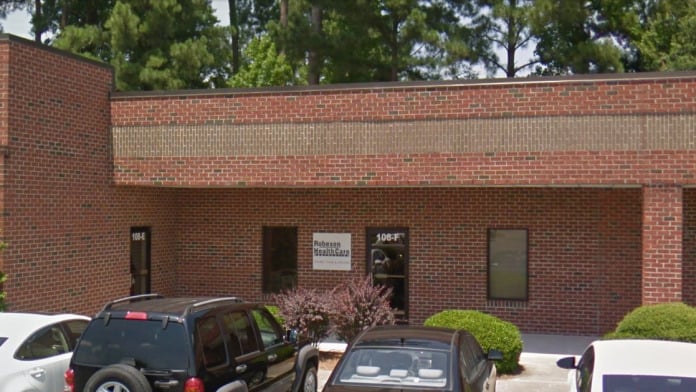
Village CASA Work Perinatal Program is a residential substance use treatment service in Winterville, North Carolina. The team treats pregnant women and mothers in recovery. Village provides a family-centered approach where mothers can live with their children while accessing structured treatment and practical wraparound services.
Residential Treatment for Mothers and Pregnant Women
Village specializes in perinatal and maternal addiction treatment with dedicated program tracks for pregnant women, new mothers and mothers parenting children under 12. The Perinatal Program supports women through pregnancy and early postpartum while the Maternal and CASA Works tracks provide extended residential care for mothers continuing recovery while raising their children.
Treatment takes place in a non-medical residential setting with 12-step participation, individual case management and mental health services. Sessions focus on recovery skills, parenting education and addressing underlying issues that contribute to substance use, with outside referrals coordinated for medical needs as required.
Wraparound Support for Long-Term Stability
Beyond clinical treatment, Village provides comprehensive support services designed to reduce barriers to recovery and promote independence. Onsite childcare, transportation assistance to work and school, job readiness training and employment support help mothers stabilize their lives while engaging in treatment.
Case managers connect residents to community resources and social services to build a foundation for sustained recovery.

Rehab Score
 Our Methodology


Gallery
Other Forms of Payment
Medicaid is a state based program that helps lower-income individuals and families pay for healthcare. Medicaid covers addiction treatment so those enrolled can use their coverage to pay for rehab. When a program accepts Medicaid the client often pays very little or nothing out of their own pocket.
Self-pay involves paying for treatment out of your own pocket. You can use savings or credit, get a personal loan, or receive help from family and friends to fund your treatment. If you don't have insurance or your insurance plan doesn't cover a specific program, self-pay can help ensure you still get the care you need.
Private insurance refers to any kind of healthcare coverage that isn't from the state or federal government. This includes individual and family plans offered by an employer or purchased from the Insurance Marketplace. Every plan will have different requirements and out of pocket costs so be sure to get the full details before you start treatment.
Addiction Treatments
Levels of Care
Residential treatment programs are those that offer housing and meals in addition to substance abuse treatment. Rehab facilities that offer residential treatment allow patients to focus solely on recovery, in an environment totally separate from their lives. Some rehab centers specialize in short-term residential treatment (a few days to a week or two), while others solely provide treatment on a long-term basis (several weeks to months). Some offer both, and tailor treatment to the patient's individual requirements.
Outpatient Programs (OP) are for those seeking mental rehab or drug rehab, but who also stay at home every night. The main difference between outpatient treatment (OP) and intensive outpatient treatment (IOP) lies in the amount of hours the patient spends at the facility. Most of the time an outpatient program is designed for someone who has completed an inpatient stay and is looking to continue their growth in recovery. Outpatient is not meant to be the starting point, it is commonly referred to as aftercare.
Intensive outpatient programs (IOP) evolve with clients' changing needs and are often well-suited for clients exiting inpatient rehab and those at an increased relapse risk. These programs typically involve between nine and 20 hours of treatment weekly, with the intensity and frequency of care decreasing as clients stabilize. Most intensive outpatient rehabs integrate a variety of treatment modalities to maintain a high level of individualized care. Services generally include counseling, recovery education, and medication assisted treatment (MAT).
Rehab aftercare programs offer a complete continuum of care for clients in the maintenance phase of recovery and are predicated on the idea that addiction disease is a chronic condition prone to relapse and warranting continuing care. Clients collaborate with their care team and case manager to access the specific rehab aftercare services they need to promote their sustained sobriety. Peer coaching, relapse prevention services, career counseling, and 12 step program induction are common in these programs.
Often used as a "step-down" option after you've completed a residential or inpatient program, the partial hospitalization program (PHP) typically involves a minimum of 20 hours of treatment per week for approximately 90 days. Programs offer structured programming that includes relapse prevention, medication management, and behavioral therapy services. Insurance coverage for PHP treatment varies among insurance providers.
Treatments
The goal of treatment for alcoholism is abstinence. Those with poor social support, poor motivation, or psychiatric disorders tend to relapse within a few years of treatment. For these people, success is measured by longer periods of abstinence, reduced use of alcohol, better health, and improved social functioning. Recovery and Maintenance are usually based on 12 step programs and AA meetings.
There are many types of drug rehab in North Carolina. To receive treatment for addiction, you can choose from many inpatient and outpatient programs. Often, participants start with detox and work through a full continuum of care that continues with ongoing support for long-term recovery.
Many of those suffering from addiction also suffer from mental or emotional illnesses like schizophrenia, bipolar disorder, depression, or anxiety disorders. Rehab and other substance abuse facilities treating those with a dual diagnosis or co-occurring disorder administer psychiatric treatment to address the person's mental health issue in addition to drug and alcohol rehabilitation.
A combined mental health and substance abuse rehab has the staff and resources available to handle individuals with both mental health and substance abuse issues. It can be challenging to determine where a specific symptom stems from (a mental health issue or an issue related to substance abuse), so mental health and substance abuse professionals are helpful in detangling symptoms and keeping treatment on track.
Opioid rehabs specialize in supporting those recovering from opioid addiction. They treat those suffering from addiction to illegal opioids like heroin, as well as prescription drugs like oxycodone. These centers typically combine both physical as well as mental and emotional support to help stop addiction. Physical support often includes medical detox and subsequent medical support (including medication), and mental support includes in-depth therapy to address the underlying causes of addiction.
Programs
Adult rehab programs include therapies tailored to each client's specific needs, goals, and recovery progress. They are tailored to the specific challenges adult clients may face, including family and work pressures and commitments. From inpatient and residential treatment to various levels of outpatient services, there are many options available. Some facilities also help adults work through co-occurring conditions, like anxiety, that can accompany addiction.
Clinical Services
Clients who receive cognitive behavioral therapy in North Carolina typically attend five to 20 sessions. During this time, they work with their therapist to learn healthier patterns of thinking, which can help them change their behavior related to substance use.
Group therapy is any therapeutic work that happens in a group (not one-on-one). There are a number of different group therapy modalities, including support groups, experiential therapy, psycho-education, and more. Group therapy involves treatment as well as processing interaction between group members.
In individual therapy, a patient meets one-on-one with a trained psychologist or counselor. Therapy is a pivotal part of effective substance abuse treatment, as it often covers root causes of addiction, including challenges faced by the patient in their social, family, and work/school life.
Family therapy sessions address the emotional toll that addiction has had on the family unit and individual members. Therapists work with families to develop better coping strategies, which in turn create a stable environment for their loved one's recovery process.
During nutrition therapy in North Carolina, you'll work with a nutritionist to develop a dietary plan. Medical professionals will provide input based on your health needs. You'll learn to create goals for nutrition and develop the skills you need to meet them.
Amenities
-
 Residential Setting
Rehab.com regularly reviews this listing for accuracy but changes may occur between updates. For the most up-to-date information, please contact Village – CASA Work Perinatal Program.
Contact Information


108 West Fire Tower Road
Units E and F
Winterville, NC 28590
Sponsored Helpline


