










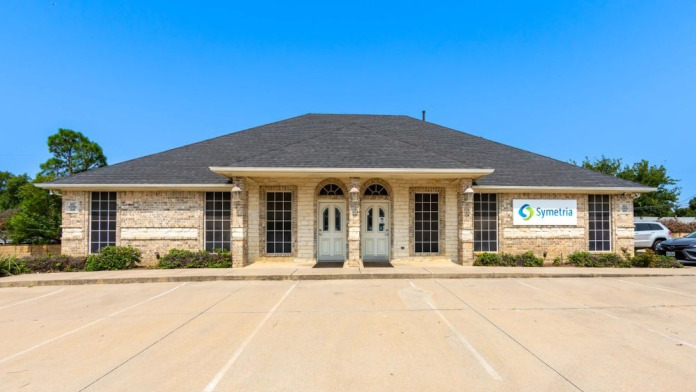
Symetria — Hurst Outpatient Rehab & Suboxone Clinic
1
Top 10 Rehab Centers In Hurst



















































































There’s something of a misconception that there is a “right way” or singular approach to rehab. But it’s not like mending a broken bone or treating a fever because the circumstances of addiction vary from person to person. Likewise, some individuals respond better to certain methods of treatment than others.
SARC recognizes this and offers a diverse range of evidence backed methods to better serve those seeking help. These include the 12 Step model, individual and group therapy, medication assisted treatment, cognitive behavioral therapy (CBT), dialectical behavioral therapy (DBT), and others. Having so many options on offer increases the odds of clients finding a method they are comfortable with.
Clients work together with their care team to develop the treatment plan that works best for them. This collaborative experience can empower clients and make them feel more involved in their recovery.

 Our Methodology



Private insurance refers to any kind of healthcare coverage that isn't from the state or federal government. This includes individual and family plans offered by an employer or purchased from the Insurance Marketplace. Every plan will have different requirements and out of pocket costs so be sure to get the full details before you start treatment.
Residential treatment programs are those that offer housing and meals in addition to substance abuse treatment. Rehab facilities that offer residential treatment allow patients to focus solely on recovery, in an environment totally separate from their lives. Some rehab centers specialize in short-term residential treatment (a few days to a week or two), while others solely provide treatment on a long-term basis (several weeks to months). Some offer both, and tailor treatment to the patient's individual requirements.
Intensive Outpatient Programs (IOP) are for those who want or need a very structured treatment program but who also wish to live at home and continue with certain responsibilities (such as work or school). IOP substance abuse treatment programs vary in duration and intensity, and certain outpatient rehab centers will offer individualized treatment programs.
Drug and alcohol addiction often takes a heavy toll on one's body. Over time, a physical dependence can develop, meaning the body physiologically needs the substance to function. Detox is the process of removing drugs and/or alcohol from the body, a process that can be lethal if mismanaged. Medical detox is done by licensed medical professionals who monitor vital signs and keep you safe, healthy, and as comfortable as possible as you go through detox and withdrawal. The length of stay at the detoxification program is determined according to the specific needs of the patient.
12-step programs are addiction recovery models based on Alcoholics Anonymous (AA). A number of substance abuse programs (including some drug and alcohol rehab centers) use the 12 steps as a basis for treatment. Beginning steps involve admitting powerlessness over the addiction and creating a spiritual basis for recovery. Middle steps including making direct amends to those who've been hurt by the addiction, and the final step is to assist others in addiction recovery in the same way. 12-Step offshoots including Narcotics Anonymous (NA), Cocaine Anonymous (CA), Dual Recovery Anonymous (DRA), Sex and Love Addicts Anonymous (SLAA) and Gamblers Anonymous (GA).
Completing a drug or alcohol rehab program shouldn't spell the end of substance abuse treatment. Aftercare involves making a sustainable plan for recovery, including ongoing support. This can include sober living arrangements like halfway houses, career counseling, and setting a patient up with community programs like Alcoholics Anonymous (AA) or Narcotics Anonymous (NA).
The goal of treatment for alcoholism is abstinence. Those with poor social support, poor motivation, or psychiatric disorders tend to relapse within a few years of treatment. For these people, success is measured by longer periods of abstinence, reduced use of alcohol, better health, and improved social functioning. Recovery and Maintenance are usually based on 12 step programs and AA meetings.
During rehab in Texas, you'll deal with underlying issues that contribute to addiction. By addressing these challenges and learning healthy ways to cope with them, you'll develop strategies that help you live a drug-free lifestyle.
Opioid rehabs specialize in supporting those recovering from opioid addiction. They treat those suffering from addiction to illegal opioids like heroin, as well as prescription drugs like oxycodone. These centers typically combine both physical as well as mental and emotional support to help stop addiction. Physical support often includes medical detox and subsequent medical support (including medication), and mental support includes in-depth therapy to address the underlying causes of addiction.
Substance rehabs focus on helping individuals recover from substance abuse, including alcohol and drug addiction (both illegal and prescription drugs). They often include the opportunity to engage in both individual as well as group therapy.
Animal therapy (aka pet therapy or animal-assisted therapy) can be very healing, as it allows patients to bond with animals, who give unconditional love. This is particularly useful for those who suffered trauma by the hands of people, who may be able to trust and form closer attachments to animals than humans at certain stages of rehabilitation.
Cognitive Behavioral Therapy (CBT) is a therapy modality that focuses on the relationship between one's thoughts, feelings, and behaviors. It is used to establish and allow for healthy responses to thoughts and feelings (instead of unhealthy responses, like using drugs or alcohol). CBT has been proven effective for recovering addicts of all kinds, and is used to strengthen a patient's own self-awareness and ability to self-regulate. CBT allows individuals to monitor their own emotional state, become more adept at communicating with others, and manage stress without needing to engage in substance abuse.
Experiential therapy is a form of therapy in which clients are encouraged to surface and work through subconscious issues by engaging in real-time experiences. Experiential therapy departs from traditional talk therapy by involving the body, and having clients engage in activities, movements, and physical and emotional expression. This can involve role-play or using props (which can include other people). Experiential therapy can help people process trauma, memories, and emotion quickly, deeply, and in a lasting fashion, leading to substantial and impactful healing.
Research clearly demonstrates that recovery is far more successful and sustainable when loved ones like family members participate in rehab and substance abuse treatment. Genetic factors may be at play when it comes to drug and alcohol addiction, as well as mental health issues. Family dynamics often play a critical role in addiction triggers, and if properly educated, family members can be a strong source of support when it comes to rehabilitation.
Group therapy is any therapeutic work that happens in a group (not one-on-one). There are a number of different group therapy modalities, including support groups, experiential therapy, psycho-education, and more. Group therapy involves treatment as well as processing interaction between group members.

The Joint Commission, formerly known as JCAHO, is a nonprofit organization that accredits rehab organizations and programs. Founded in 1951, the Joint Commision's mission is to improve the quality of patient care and demonstrating the quality of patient care.
Joint Commission Accreditation: Yes
Rehab.com regularly reviews this listing for accuracy but changes may occur between updates. For the most up-to-date information, please contact San Antonio Recovery Center in Cagnon.

8975 Cagnon Road
San Antonio, TX 78252
Sponsored Helpline

This place is very unprofessional I would recommend the culebra location this one lady is miserable yelling at me and provoking me and they treat you unfair they let people have phones but other people cannot the lady treated me very unprofessionally also they lie to your family trying to protect themselves making up a reason for me leaving so they can make themselves look good saying they discharged me because I broke the rules but in reality I was the one who decided to leave because the staff is so unprofessional. The lady taking her job to serious treating it if I was in jail She made fun of me for being in detox saying “ your the one with the drug problem not me” trying to humiliate me Lastime I completed my detox here this place failed me and caused me to relapse saying they would give me a prescription when I leave but they diddnt even do that they lied to me to get me to stay that way they have more money in their pockets and the lady was being so disrespectful . Place is so unfair and the morning staff suck they wouldn’t give me my property but threatened to call the police on me to leave .

For the first time going into rehab I must admit the staff at San Antonio recovery center at Cagnon really care thanks to them am still here and not giving up thank you so much you guys are awesome !!!!! Charles Lee Ray !!!!

San Antonio Cagnon location was my first step to getting the help I needed. Truly an amazing experience, helped save my life !!!

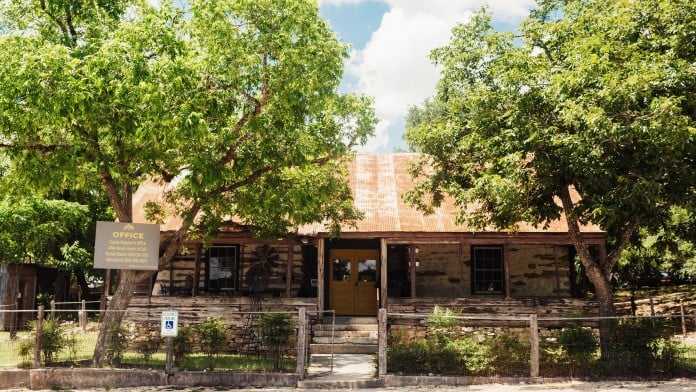
SARC was the best desision of my life. The staff went above and beyond to make sure i had everything I needed to begin putting my life together. The location on Cagnon is very peaceful and secluded which is exactly what I needed at that time ib my life. In 2 weeks, i will have 3 years clean and sober, that would not be possible without SARC.
 Back
Back
Sharing your insights and experiences can help others learn more about this rehab center.

 Written By: Terri Beth Miller
PhD Author, Award-Winning Post-Secondary Teacher
Written By: Terri Beth Miller
PhD Author, Award-Winning Post-Secondary Teacher


