





























































































About Scioto Paint Valley Mental Health
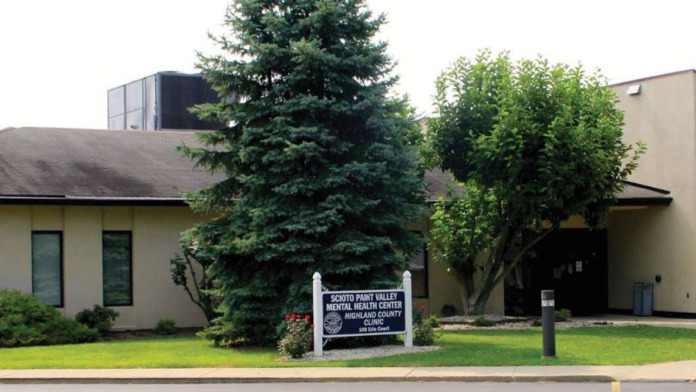
Scioto Paint Valley Mental Health’s Martha Cottrill Clinic is a CARF-accredited community behavioral health provider offering outpatient mental health and addiction services in Chillicothe, Ohio.
The clinic supports children, adolescents and adults with co-occurring mental health and substance use disorders through individual counseling, medication assisted treatment and psychiatric care.
As part of a regional network serving five Ohio counties, the Martha Cottrill Clinic connects patients to a full continuum of care that adapts as recovery needs evolve.
Stabilization and Skill Building with MAT Help
The Martha Cottrill Clinic specializes in outpatient substance use disorder treatment, with staff trained to recognize and diagnose alcohol and drug dependencies alongside co-occurring mental health conditions.
Services include diagnostic assessment, treatment planning, individual counseling, group CPST services and crisis assistance.
Medication-assisted treatment is a core offering, supported by an on-site Genoa Healthcare pharmacy that simplifies access to prescribed medications.
Sessions focus on stabilization, skill-building and addressing the underlying mental health concerns that often accompany substance use, all within a coordinated outpatient setting.
Integrated Behavioral Health and Crisis Support
Beyond addiction care, the Chillicothe campus houses central administration and a 24/7 crisis center with 988 services, allowing patients to access urgent support when they need it most.
This integrated structure makes it easier to transition between outpatient counseling, psychiatric care and crisis services without leaving the network.
Access, Insurance and Getting Started
The Martha Cottrill Clinic provides in-person outpatient care and operates under CARF accreditation held by the parent organization since 2004.
Accepted payment options include private insurance, Medicare, Medicaid, military insurance, self-pay, sliding scale and financial aid.
Latest Reviews



Rehab Score
 Our Methodology


Gallery
Other Forms of Payment
Private insurance refers to any kind of healthcare coverage that isn't from the state or federal government. This includes individual and family plans offered by an employer or purchased from the Insurance Marketplace. Every plan will have different requirements and out of pocket costs so be sure to get the full details before you start treatment.
Self-pay involves paying for treatment out of your own pocket. You can use savings or credit, get a personal loan, or receive help from family and friends to fund your treatment. If you don't have insurance or your insurance plan doesn't cover a specific program, self-pay can help ensure you still get the care you need.
Financial aid can take many forms. Centers may have grants or scholarships available to clients who meet eligibility requirements. Programs that receive SAMHSA grants may have financial aid available for those who need treatment as well. Grants and scholarships can help you pai for treatment without having to repay.
Sliding scale payments are based on a client's income and family size. The goal is to make treatment affordable to everyone. By taking these factors into account, addiction recovery care providers help ensure that your treatment does not become a financial burden to you or your family, eliminating one barrier to care.
Medicare is a federal program that provides health insurance for those 65 and older. It also serves people under 65 with chronic and disabling health challenges. To use Medicare for addiction treatment you need to find a program that accepts Medicare and is in network with your plan. Out of pocket costs and preauthorization requirements vary, so always check with your provider.
Military members, veterans, and eligible dependents have access to specific insurance programs that help them get the care they need. TRICARE and VA insurance can help you access low cost or no cost addiction and mental health treatment. Programs that accept military insurance often have targeted treatment focused on the unique challenges military members, veterans, and their families face.
Medicaid is a state based program that helps lower-income individuals and families pay for healthcare. Medicaid covers addiction treatment so those enrolled can use their coverage to pay for rehab. When a program accepts Medicaid the client often pays very little or nothing out of their own pocket.
Addiction Treatments
Levels of Care
Behavioral Health Counseling & Therapy (formerly Counseling and Psychotherapy) involves face-to-face interventions with individuals, couples, families and groups. Children and adolescents are included and may be seen individually or in groups. Parents, guardians or significant others may be seen together with children (and adolescents) or independently as is specified in the Individualized Service Plan.
Substance Abuse Intensive Outpatient means structured individual and group alcohol and drug addiction activities and services that are provided at a certified treatment program site for a minimum of eight hours per week with services provided at least three days per week.
Rehab aftercare programs are designed to ensure clients receive continuing care while in the maintenance phase of recovery. Some clients may be in outpatient treatment, which is generally considered to be an element of drug rehab aftercare. The specific services provided in these programs are often determined by the client's case manager and care team in consultation with the client. Common services include peer coaching, career counseling, and 12 step program induction.
Many treatment centers base their recovery models on the 12 step programming standard, which combines intensive peer support with spiritual, psychological, and emotional growth. Participants in 12 step recovery programs are expected to regularly attend group meetings, which are free, anonymous, peer-led, and open to the public. They are also required to select a sponsor to guide them through the recovery journey. These programs deploy spiritual principles to foster participants' self-understanding, forgiveness, acceptance, and accountability.
Transitional Services are designed to assist severely mentally ill adults to make a successful transition to the least restrictive living situation. Individuals are assisted to access the community living situation that best suits their needs including independent living, supervised living or residential care.
Designed for individuals with moderate to severe addictions, a partial hospitalization program (PHP) provides a more intensive form of outpatient therapy. PHP treatment can serve as an alternative to inpatient hospitalization or as a step-down option after being discharged from a hospital or residential program. A partial hospitalization program typically requires a minimum of 20 hours weekly for an average of 90 days. Depending on your care plan, PHPs can include relapse prevention, medication management, and behavioral therapy services.
During initial recovery, withdrawal from alcohol, opiates, and benzodiazepines can involve high health risk. Attempting detox outside of 24-hour clinical care in Ohio is not recommended. This can be life-threatening because medical staff are not available to treat severe symptoms of withdrawal that often occur. Such symptoms can include seizures, delirium tremens, and extreme dehydration. In a clinical setting, staff are on-site to immediately care for your physical, emotional, and mental health needs.
Drug and alcohol addiction often takes a heavy toll on one's body. Over time, a physical dependence can develop, meaning the body physiologically needs the substance to function. Detox is the process of removing drugs and/or alcohol from the body, a process that can be lethal if mismanaged. Medical detox is done by licensed medical professionals who monitor vital signs and keep you safe, healthy, and as comfortable as possible as you go through detox and withdrawal.
Treatments
The goal of treatment for alcoholism is abstinence. Those with poor social support, poor motivation, or psychiatric disorders tend to relapse within a few years of treatment. For these people, success is measured by longer periods of abstinence, reduced use of alcohol, better health, and improved social functioning. Recovery and Maintenance are usually based on 12 step programs and AA meetings.
Drug rehab in Ohio provides comprehensive treatment to address the physical and psychological needs of those struggling with substance use disorders. This may involve inpatient and/or outpatient care.
Many of those suffering from addiction also suffer from mental or emotional illnesses like schizophrenia, bipolar disorder, depression, or anxiety disorders. Rehab and other substance abuse facilities treating those with a dual diagnosis or co-occurring disorder administer psychiatric treatment to address the person's mental health issue in addition to drug and alcohol rehabilitation.
A combined mental health and substance abuse rehab has the staff and resources available to handle individuals with both mental health and substance abuse issues. It can be challenging to determine where a specific symptom stems from (a mental health issue or an issue related to substance abuse), so mental health and substance abuse professionals are helpful in detangling symptoms and keeping treatment on track.
Opioid rehabs specialize in supporting those recovering from opioid addiction. They treat those suffering from addiction to illegal opioids like heroin, as well as prescription drugs like oxycodone. These centers typically combine both physical as well as mental and emotional support to help stop addiction. Physical support often includes medical detox and subsequent medical support (including medication), and mental support includes in-depth therapy to address the underlying causes of addiction.
Programs
Adult rehab programs include therapies tailored to each client's specific needs, goals, and recovery progress. They are tailored to the specific challenges adult clients may face, including family and work pressures and commitments. From inpatient and residential treatment to various levels of outpatient services, there are many options available. Some facilities also help adults work through co-occurring conditions, like anxiety, that can accompany addiction.
Young adulthood can be an exciting, yet difficult, time of transition. Individuals in their late teens to mid-20s face unique stressors related to school, jobs, families, and social circles, which can lead to a rise in substance use. Rehab centers with dedicated young adult programs will include activities and amenities that cater to this age group, with an emphasis on specialized counseling, peer socialization, and ongoing aftercare.
Serving in the military is both mentally and physically challenging, and can result in trauma that persists even after combat ends. Military programs are tailored to the specific and often complex needs of active duty personnel, veterans, and military families. Clients often access these programs through the U.S. Department of Veterans Affairs (VA).
Clinical Services
Cognitive behavioral therapy in Ohio may occur in individual, group, or family sessions. It involves focusing on specific thought and behavior problems. Participants learn coping techniques and are asked to practice them as homework between sessions.
The main goals of dialectical behavior therapy are to teach you how to regulate your emotions, develop positive ways to cope with stress, improve your relationships, and live in the moment. This therapy lasts about six months and involves weekly individual and group sessions.
Substance Abuse Group Counseling means the utilization of special skills to assist two or more individuals in achieving treatment objectives through the exploration of alcohol and other drug problems and/or addiction and their ramifications, including an examination of attitudes and feelings, consideration of alternative solutions and decision making and/or discussing information related to alcohol and other drug related problems.
Counseling means the utilization of special skills to assist an individual in achieving treatment objectives through the exploration of alcohol and other drug problems and/or addiction and their ramifications, including an examination of attitudes and feelings, consideration of alternative solutions and decision making and/or discussing didactic materials with regard to alcohol and other drug related problems.
Trauma therapy addresses traumatic incidents from a client's past that are likely affecting their present-day experience. Trauma is often one of the primary triggers and potential causes of addiction, and can stem from child sexual abuse, domestic violence, having a parent with a mental illness, losing one or both parents at a young age, teenage or adult sexual assault, or any number of other factors. The purpose of trauma therapy is to allow a patient to process trauma and move through and past it, with the help of trained and compassionate mental health professionals.
Whether a marriage or other committed relationship, an intimate partnership is one of the most important aspects of a person's life. Drug and alcohol addiction affects both members of a couple in deep and meaningful ways, as does rehab and recovery. Couples therapy and other couples-focused treatment programs are significant parts of exploring triggers of addiction, as well as learning how to build healthy patterns to support ongoing sobriety.
Substance Abuse Family counseling means the utilization of special skills in sessions with individuals and their family members and/or significant others under the guidance of a counselor to address family and relationship issues related to alcohol and other drug abuse and/or dependence for the purpose of promoting recovery from addiction.
Employment/Vocational Services have the purpose and intent to promote recovery by assisting people in securing and/or maintaining employment by providing training and skill development that is goal oriented, ability based and incorporates individual choice. Anticipated outcomes of the service include the consumer obtaining and/or maintaining employment, learning new job skills, increasing self-sufficiency and contributing to the community.
Creativity is inherently healing, and can help those in recovery express thoughts or feelings they might not otherwise be able to. Creative arts therapy can include music, poetry/writing, painting, sculpting, dance, theater, sandplay, and more. Unlike traditional art, the final product matters far less than the experience of creation and expression itself.
Experiential therapy is a form of therapy in which clients are encouraged to surface and work through subconscious issues by engaging in real-time experiences. Experiential therapy departs from traditional talk therapy by involving the body, and having clients engage in activities, movements, and physical and emotional expression. This can involve role-play or using props (which can include other people). Experiential therapy can help people process trauma, memories, and emotion quickly, deeply, and in a lasting fashion, leading to substantial and impactful healing.
Staff & Accreditations
Staff
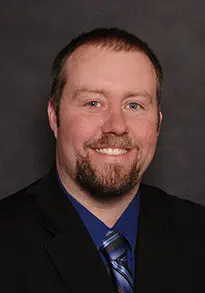
Adam Dyer
CFO
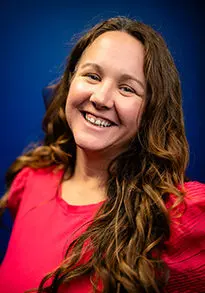
Melanie Swisher
Executive Director
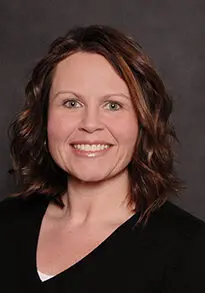
Tonya Sturgill
Chairperson
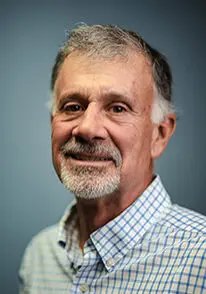
Keith Peters
Vice-Chair
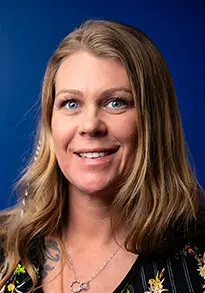
Laken Woods
Treasurer
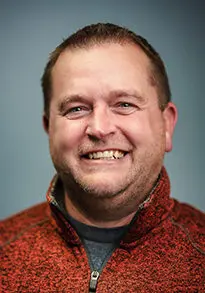
Aaron McHenry
Secretary
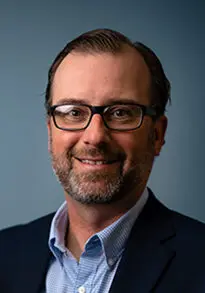
Kelly Dennis
Associate Director
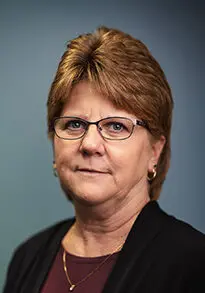
Vonda Kern
Office Manager
Accreditations

The Commission on Accreditation of Rehabilitation Facilities (CARF) is a non-profit organization that specifically accredits rehab organizations. Founded in 1966, CARF's, mission is to help service providers like rehab facilities maintain high standards of care.
CARF Accreditation: Yes
Rehab.com regularly reviews this listing for accuracy but changes may occur between updates. For the most up-to-date information, please contact Scioto Paint Valley Mental Health.
Contact Information


4449 State Route 159
First Floor
Chillicothe, OH 45601
Sponsored Helpline


