











All In Solutions Detox
1
Top 10 Rehab Centers In Simi Valley


















































































Sequoia Behavioral Health is a Joint Commission accredited treatment facility in Mesa, Arizona, specializing in mental health, substance use disorders, and co-occurring conditions. The facility offers a full continuum of care, including residential treatment, partial hospitalization (PHP), intensive outpatient programs (IOP), and detox services.
With personalized, trauma based programming, Sequoia provides compassionate care in a small, supportive environment designed to help every client facing a mental health or addiction crisis.
Sequoia Behavioral Health specializes in treating co-occurring mental health disorders such as depression, anxiety, and PTSD alongside substance use disorders, including alcohol, opioids, and stimulants. The facility’s 30 day residential program and flexible IOP options (3 or 5 days per week) are individualized to meet each person’s unique needs and goals.
Treatment integrates cognitive behavioral therapy, dialectical behavior therapy, and trauma informed care with holistic therapies like yoga and meditation. Sessions blend small group counseling with private therapy, helping clients address underlying issues while building practical coping skills. Medication Assisted Treatment is available for opioid addiction, including Suboxone and Vivitrol.
Sequoia’s trauma focused approach incorporates recreational therapy activities such as hiking, painting and yoga to support healing in both individual and group settings. This active, peer based engagement helps clients feel safe and open minded throughout the treatment process, fostering connection and long term recovery.
Sequoia Behavioral Health serves adults and adolescents ages 13 years, offering both inpatient and outpatient care with services available in English and Spanish.
The facility accepts most PPO commercial insurance plans and offers private pay options. Take the next step toward recovery by verifying your insurance and connecting with Sequoia’s compassionate care team today.

 15 - 30

 Our Methodology


Private insurance refers to any kind of healthcare coverage that isn't from the state or federal government. This includes individual and family plans offered by an employer or purchased from the Insurance Marketplace. Every plan will have different requirements and out of pocket costs so be sure to get the full details before you start treatment.
Self-pay involves paying for treatment out of your own pocket. You can use savings or credit, get a personal loan, or receive help from family and friends to fund your treatment. If you don't have insurance or your insurance plan doesn't cover a specific program, self-pay can help ensure you still get the care you need.
The safest way to remove addictive substances from your body is done under the care of licensed medical professionals. Known as medically assisted detox, this level of care is typically in an inpatient setting with a team of medical experts that may include doctors, nurses, and mental health clinicians. Medications like Suboxone, methadone, or Vivitrol may be administered to help alleviate withdrawal symptoms.
Inpatient rehab is designed primarily for persons in early recovery and those who are exiting detox programs. It's ideal for clients in crisis or at an elevated risk of relapse. Inpatient treatment centers provide housing and meals, allowing clients to focus on their recovery away from distractions and addiction triggers. Clients engage in intensive psychotherapy, and many inpatient programs feature recovery-focused life skills training and/or complementary therapies like meditation, creative arts therapy, and other holistic treatments.
Intensive inpatient programs (IOP) offer high-level support for clients in early recovery, those exiting detox or inpatient rehabs, and those at an elevated risk of relapse. Intensive outpatient treatment typically includes rigorous individual, group, and family counseling. Evidence-based complementary therapies, such as acupuncture and massage, are widely available. Medication assisted treatment (MAT) may be provided. Clients in IOP receive a minimum of nine hours of treatment per week but may engage in up to 20 treatment hours weekly.
Many clients who enroll in an outpatient rehab program are exiting intensive inpatient care and no longer require such high-level clinical supervision. Outpatient programs typically follow a step-down structure, with treatment frequency and intensity decreasing as clients progress in their recovery journey. Partial hospitalization (PHP) and intensive outpatient (IOP) levels of care are the most time-intensive and are designed primarily for clients who have just left inpatient treatment or who are at an elevated risk of relapse.
Alcohol use disorder (AUD), also referred to as alcoholism and alcohol addiction, is a chronic condition that involves craving alcohol and an inability to control drinking. A person with AUD must drink greater and greater amounts of alcohol to achieve the same effects and experiences withdrawal symptoms if they stop drinking alcohol. Several evidence-based methods are available to treat AUD through alcohol rehab in Arizona. This treatment can occur on an outpatient or inpatient basis.
 Opioid Addiction
Drug rehab in Arizona is the process of treating individuals who are dependent on a particular addictive drug. Because addiction is complex, this treatment typically includes a variety of interventions that address the many physical and emotional issues involved.
Arizona's substance abuse treatment centers can provide tailored treatment for individuals with substance use disorders and mental health conditions. Treatment programs may include medically assisted detox, 12-Step recovery, intensive outpatient programs, and aftercare support. Addiction experts employ evidence-based therapies like cognitive behavioral therapy (CBT), dialectical behavioral therapy (DBT), and talk therapy to uncover and reframe unhelpful patterns. By graduation, you'll have developed new coping strategies, learned new stress management techniques, and have the capability of sustaining your recovery.
Treatment for addiction includes mental health services that are provided while during your stay at the facility. This may be a hospital, clinic, or a luxury treatment center setting. You receive 24-hour support and monitoring by mental health counselors and clinical staff. Most inpatient programs last 30 days, but some can last for two months or longer. Mental health is addressed during treatment via group and individual counseling, addiction education programming, and often recreational activities.
Dual-diagnosis addiction treatment in Arizona provides integrated care for individuals with co-occurring substance use disorders and mental health conditions. Services may include medically assisted detox, 12-Step recovery, intensive outpatient programs, and aftercare support. Addiction experts use evidence-based therapies, like cognitive behavioral therapy, or dialectical behavioral therapy, and trauma-focused therapy, to simultaneously address substance use and mental health disorders. This comprehensive approach to treatment helps to ensure sustained recovery.
Teen programs are designed to address the unique pressures teens face, pressures that can drive them to experiment with dangerous, addictive substances. They need programs that meet them exactly where they are and give them tools for long-term recovery. Therapy can help teenagers understand and work through underlying issues so they can reclaim the life ahead of them.
Adult rehab programs include therapies tailored to each client's specific needs, goals, and recovery progress. They are tailored to the specific challenges adult clients may face, including family and work pressures and commitments. From inpatient and residential treatment to various levels of outpatient services, there are many options available. Some facilities also help adults work through co-occurring conditions, like anxiety, that can accompany addiction.
Serving in the military is both mentally and physically challenging, and can result in trauma that persists even after combat ends. Military programs are tailored to the specific and often complex needs of active duty personnel, veterans, and military families. Clients often access these programs through the U.S. Department of Veterans Affairs (VA).
Rehabs for women provide a safe, nurturing space for female clients to heal. These treatment programs consider the specific obstacles that women can face during recovery and place a special emphasis on mental, social, physical, and reproductive health. They explore how each woman's experience has shaped the trajectory of their substance use, addressing issues such as sexual abuse and past trauma.
Also known as CBT, cognitive behavioral therapy in Arizona is one of the most common types of psychotherapy. It offers a structured method of counseling that effectively treats substance use disorder and dual diagnosis disorders.
Dialectical behavior therapy in Arizona focuses on acceptance of your reality and behaviors while also attempting to make changes in unhealthy behaviors. It has been shown to be effective for the treatment of anxiety, depression, PTSD, and substance use disorder.
Trauma therapy focuses on helping you understand and manage emotional and physical responses to past trauma. Using therapeutic interventions, you learn to reframe the experience. This helps reduce your anxiety and gives you greater control over your life.

The Joint Commission, formerly known as JCAHO, is a nonprofit organization that accredits rehab organizations and programs. Founded in 1951, the Joint Commision's mission is to improve the quality of patient care and demonstrating the quality of patient care.
Joint Commission Accreditation: Yes
Rehab.com regularly reviews this listing for accuracy but changes may occur between updates. For the most up-to-date information, please contact Sequoia Behavioral Health.

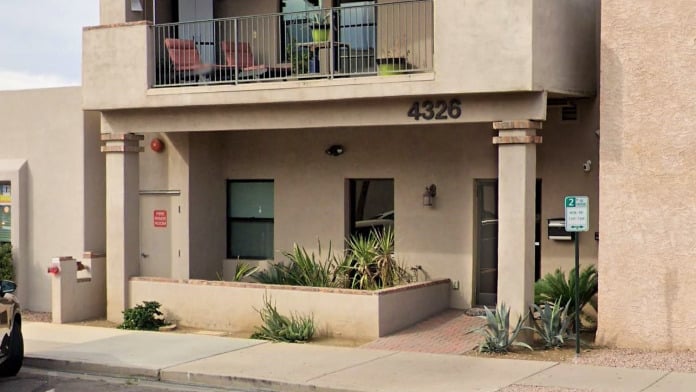
5525 S Coyote Canyon, Mesa, AZ 85212
Sponsored Helpline

loved it

I love this facility. I've been for five different places in the valley throughout my life. From the age of 29 to now being 46 this program these loving people and the therapist Porsche changed my life.

It's taken me a LONG time to write this review, since I truly couldn't put my feelings into words. This place saved my life. It changed it. The things I learned here, the connections I made... I've never felt such safety, or community, & it gave me the most intensely immersive space to start healing from everything keeping me "dead". I learned what it was to feel alive again, & more importantly, I made the choice to never let that feeling go again. It's been 1.5 years & my life has changed tremendously from the skills I learned here. I drive now, I have a job, friends, hobbies I engage in. I have a new baby nephew who never would've known me. Sequoia is a beautiful, magical place that truly supports, uplifts, & inspires you. I'll never forget crying in a group huddle, laughing until I ached all over, watching the sun peek through the blinds during Morning Meditation, the dinners on the couch while we watched our favorite movies, the games, the FUN while we were all in the worst phases of our lives. While there, the BHT's talked a lot about "defrosting", when your nervous system has been so dis-regulated for so long you have to go through all the stages of shut down, to anger/activation/anxiety, to peace. Sequoia was, for me, the best possible place to go through this process, with the brightest, warmest souls all around me. I miss this place every day, but because of Sequoia, I no longer live in the past. My future is bright & my present is felt, embraced with open arms. I can't promise anyone else that their experience here will be as mine was. Different people, processes, etc. all factor in. All I can say is, again, I walked into this house a walking corpse, a shell of a person. I walked out hopeful, smiling, color to my face & lightness in my feet. There have been setbacks since leaving, but for the most part, I have held onto the person I walked out as. I am healing, I likely forever will be, & Sequoia Behavioral Health was the catalyst. I pray for the best for anyone reading this, & to give this place the chance to change you, as it did me. P.S: I'm not sure who is still there, but shout out to Ally, Rocky, Ty, Chris, Cherish, & Cierra!!! I will never ever forget you all, I will forever be grateful for what you did for me. YOU made up Sequoia for me. I love you all so much.

 Back
Sharing your insights and experiences can help others learn more about this rehab center.


 Written By: Gayle Morris
BSN, MSN

