






























































































Well organized, professional and life changing! Saved my life, family and employment.. from rock bottom to sober and healthy, I learned from desert hope how to change my life! Thank you Sober Living!
About Sober Living – Russell Street Men’s House
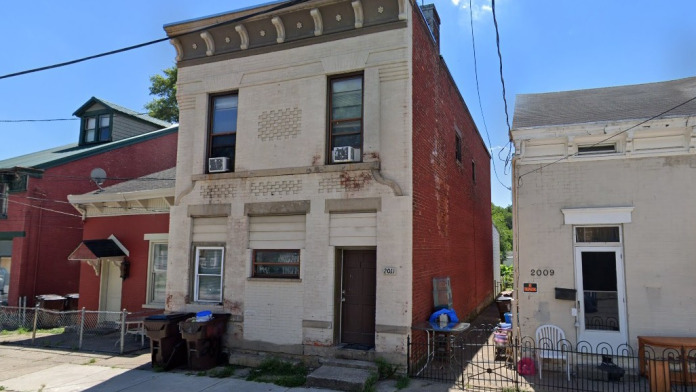
Russell Street Men’s House is a men’s sober living home in Covington, Kentucky.
The residence provides a safe, affordable and accountability focused environment that supports sustained sobriety through peer community and 12 step engagement.
The program emphasizes structure, responsibility and practical reintegration into daily life.
Recovery Housing and Sober Living Support
Residents enter a fully furnished sober living environment designed to bridge the gap between treatment and independent living.
The house centers on mandatory in house 12 step meetings and daily outside recovery meeting attendance.
Residents may access individual therapy, group therapy, life skills training, recreational activities and employment or volunteer expectations.
GED access and mental health support through qualified board members are also referenced, reinforcing the program’s focus on long term stability.
Quick Facts
- Level of care: Men’s sober living and recovery housing
- Who they serve: Adult men recovering from alcoholism, opioid addiction and other substance use concerns
- Approach: Structured 12-step recovery with accountability, employment and volunteer expectations
- Amenities: Furnished beds, laundry, house phones, lounge areas, basketball and picnic spaces
- Transportation: Bus line access, bus tokens for employment needs and rides to AA meetings
- Affordability: Described as affordable housing for men in recovery

Rehab Score
 Our Methodology
Scoring is assigned by a proprietary system which helps surface key metrics that determine quality. The 10-point scale factors in categories such as operations, customer satisfaction, and trust metrics. Read Full Methodology

4.8 / 10
Gallery
Other Forms of Payment
Self-pay involves paying for treatment out of your own pocket. You can use savings or credit, get a personal loan, or receive help from family and friends to fund your treatment. If you don't have insurance or your insurance plan doesn't cover a specific program, self-pay can help ensure you still get the care you need.
Addiction Treatments
Levels of Care
Inpatient rehab is designed primarily for clients exiting detox, those in early recovery, and those in crisis situations that may increase their risk of relapse. Clients reside at the inpatient treatment center for the length of the program, which may range from two weeks to more than 18 months, depending on the program design. Inpatient treatment typically includes 24-hour clinical care and extensive addiction counseling and recovery education using CBT, DBT, RBT, motivational interviewing or other psychotherapeutic approaches.
Sober Living Houses (SLHs), aka sober homes or halfway houses, are safe, substance-free, supportive living facilities for those recovering from substance abuse. Ideal for those who've just been through inpatient or outpatient treatment, SLHs are supervised environments with rules that support sobriety, such as curfews, shared chores, and therapeutic meetings. Residents are also often trained on life skills and coping skills to make it easier to transition into society. SLHs also provide a strong sense of community that can lead to the kind of deep and lasting connections with other sober individuals that supports a new, healthy lifestyle.
Treatments
The goal of treatment for alcoholism is abstinence. Those with poor social support, poor motivation, or psychiatric disorders tend to relapse within a few years of treatment. For these people, success is measured by longer periods of abstinence, reduced use of alcohol, better health, and improved social functioning. Recovery and Maintenance are usually based on 12 step programs and AA meetings.
Drug rehab in Kentucky often starts with detox, then includes inpatient or outpatient treatment, and continues with aftercare support. Specific methods used during each of these phases varies, but often include individual and group counseling, medication, and recreational therapies.
Opioid rehabs specialize in supporting those recovering from opioid addiction. They treat those suffering from addiction to illegal opioids like heroin, as well as prescription drugs like oxycodone. These centers typically combine both physical as well as mental and emotional support to help stop addiction. Physical support often includes medical detox and subsequent medical support (including medication), and mental support includes in-depth therapy to address the underlying causes of addiction.
Substance rehabs focus on helping individuals recover from substance abuse, including alcohol and drug addiction (both illegal and prescription drugs). They often include the opportunity to engage in both individual as well as group therapy.
Programs
Adult rehab programs include therapies tailored to each client's specific needs, goals, and recovery progress. They are tailored to the specific challenges adult clients may face, including family and work pressures and commitments. From inpatient and residential treatment to various levels of outpatient services, there are many options available. Some facilities also help adults work through co-occurring conditions, like anxiety, that can accompany addiction.
Young adulthood can be an exciting, yet difficult, time of transition. Individuals in their late teens to mid-20s face unique stressors related to school, jobs, families, and social circles, which can lead to a rise in substance use. Rehab centers with dedicated young adult programs will include activities and amenities that cater to this age group, with an emphasis on specialized counseling, peer socialization, and ongoing aftercare.
Clinical Services
Group therapy is any therapeutic work that happens in a group (not one-on-one). There are a number of different group therapy modalities, including support groups, experiential therapy, psycho-education, and more. Group therapy involves treatment as well as processing interaction between group members.
In individual therapy, a patient meets one-on-one with a trained psychologist or counselor. Therapy is a pivotal part of effective substance abuse treatment, as it often covers root causes of addiction, including challenges faced by the patient in their social, family, and work/school life. Mental health services are available on individual basis through qualified board members.
Life skills trainings involve all the skills a person must have in order to function successfully in the world. These include time management, career guidance, money management, and effective communication. Truly successful addiction recovery is based on the ability to not only live substance-free, but to thrive. Life skills teaches the practical necessities of functioning in society, which sets clients up for success in life, and therefore sobriety.
Recreational therapy (aka therapeutic recreation) uses creative and fun activities to help with addiction recovery. Recreational therapists lead patients in entertaining and engaging activities like sports or games; art (drawing, painting, sculpture); drama, music, and dance; and/or community outings (field trips) to improve patients' physical, social, and emotional well-being.
Rehab.com regularly reviews this listing for accuracy but changes may occur between updates. For the most up-to-date information, please contact Sober Living – Russell Street Men’s House.
Contact Information

2011 Russell St.
Covington, KY 41014
Get Help Now - 859-592-2997
Sponsored Helpline
Sponsored Helpline
