















































































































About Spero Health
Their specialty is medication assisted treatment. The MAT technique uses FDA approved medicine and counseling to support recovery. The prescribed medicine will depend on your unique condition following your individualized treatment plan. Their choice of medicine are Suboxone, Subutex and Vivitrol. These medications can help alleviate the pain of withdrawal, minimize cravings and lower your risk of relapse.
They’ll refer you to a methadone clinic or inpatient facility if your condition necessitates that. These medicines stabilize you by minimizing withdrawal symptoms and curbing cravings. This allows you to undergo individual and group counseling.
Their counseling is provided by compassionate and trained addiction counselors. The goal is to uncover the root of your opioid addiction and build solid coping strategies. This facilitates relapse prevention and fosters lasting recovery. Combining physical care with psychological care can help set the stage for long term sobriety.
Spero Health is reputed for its quality and individualized treatment. Their accreditation by CARF confirms their commitment to quality care. Their outpatient program includes recovery skill building, peer support services and healthcare. This is in addition to their social services such as employment, housing and educational assistance. It’s financially convenient that they accept Medicaid. Comments from past clients reflect an overwhelmingly positive experience and exceptional quality of care.
Latest Reviews



Rehab Score
 Our Methodology


Gallery
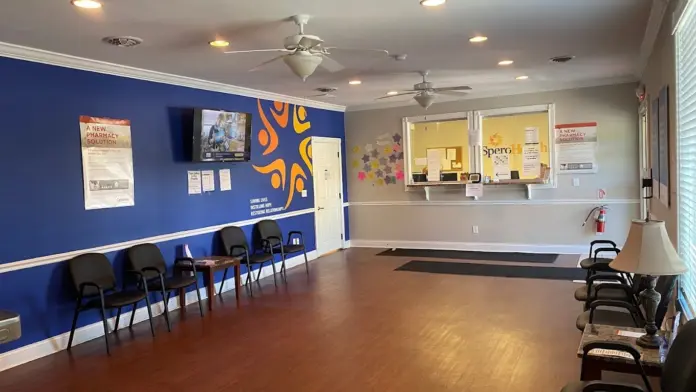
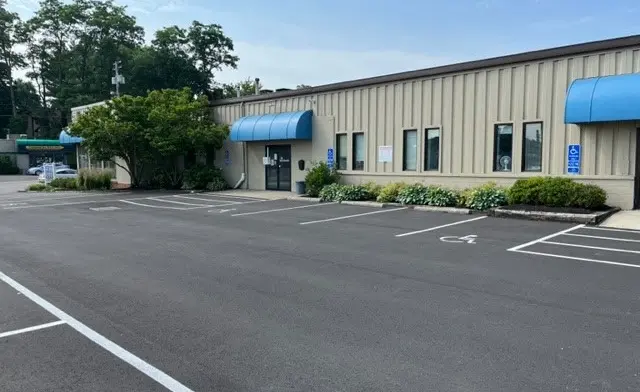
Other Forms of Payment
Private insurance refers to any kind of healthcare coverage that isn't from the state or federal government. This includes individual and family plans offered by an employer or purchased from the Insurance Marketplace. Every plan will have different requirements and out of pocket costs so be sure to get the full details before you start treatment.
Medicaid is a state based program that helps lower-income individuals and families pay for healthcare. Medicaid covers addiction treatment so those enrolled can use their coverage to pay for rehab. When a program accepts Medicaid the client often pays very little or nothing out of their own pocket.
Self-pay involves paying for treatment out of your own pocket. You can use savings or credit, get a personal loan, or receive help from family and friends to fund your treatment. If you don't have insurance or your insurance plan doesn't cover a specific program, self-pay can help ensure you still get the care you need.
Addiction Treatments
Levels of Care
Medical detox involves clearing your body of drugs and/or alcohol under the 24/7 care of licensed medical professionals. If you've become dependent on alcohol or drugs (like benzodiazepines or opioids), quitting abruptly can have uncomfortable and even dangerous side effects. The purpose of medically assisted detox is to keep you as safe and comfortable as possible during this process. Medications like Suboxone or Vivitrol may be provided if necessary to mitigate any withdrawal symptoms.
Intensive Outpatient Programs (IOP) are for those who want or need a very structured treatment program but who also wish to live at home and continue with certain responsibilities (such as work or school). IOP substance abuse treatment programs vary in duration and intensity, and certain outpatient rehab centers will offer individualized treatment programs.
Completing a drug or alcohol rehab program shouldn't spell the end of substance abuse treatment. Aftercare involves making a sustainable plan for recovery, including ongoing support. This can include sober living arrangements like halfway houses, career counseling, and setting a patient up with community programs like Alcoholics Anonymous (AA) or Narcotics Anonymous (NA).
Outpatient Programs (OP) are for those seeking mental rehab or drug rehab, but who also stay at home every night. The main difference between outpatient treatment (OP) and intensive outpatient treatment (IOP) lies in the amount of hours the patient spends at the facility. Most of the time an outpatient program is designed for someone who has completed an inpatient stay and is looking to continue their growth in recovery. Outpatient is not meant to be the starting point, it is commonly referred to as aftercare.
Treatments
The goal of treatment for alcoholism is abstinence. Those with poor social support, poor motivation, or psychiatric disorders tend to relapse within a few years of treatment. For these people, success is measured by longer periods of abstinence, reduced use of alcohol, better health, and improved social functioning. Recovery and Maintenance are usually based on 12 step programs and AA meetings.
Drug rehab in Ohio provides comprehensive treatment to address the physical and psychological needs of those struggling with substance use disorders. This may involve inpatient and/or outpatient care.
Substance rehabs focus on helping individuals recover from substance abuse, including alcohol and drug addiction (both illegal and prescription drugs). They often include the opportunity to engage in both individual as well as group therapy.
Programs
Adult rehab programs include therapies tailored to each client's specific needs, goals, and recovery progress. They are tailored to the specific challenges adult clients may face, including family and work pressures and commitments. From inpatient and residential treatment to various levels of outpatient services, there are many options available. Some facilities also help adults work through co-occurring conditions, like anxiety, that can accompany addiction.
Clinical Services
Family therapy offers a group time to collectively make an effort to understand and combat the issues and challenges associated with addiction. Therapists work with family members to establish healthy boundaries between each other and their loved one who is addicted, improve emotional support systems, and work together toward a sustained long term recovery.
Group therapy is any therapeutic work that happens in a group (not one-on-one). There are a number of different group therapy modalities, including support groups, experiential therapy, psycho-education, and more. Group therapy involves treatment as well as processing interaction between group members.
In individual therapy, a patient meets one-on-one with a trained psychologist or counselor. Therapy is a pivotal part of effective substance abuse treatment, as it often covers root causes of addiction, including challenges faced by the patient in their social, family, and work/school life.
Therapists who apply motivational interviewing in Ohio don't try to confront clients or force advice onto them. Instead, they listen and come alongside clients to help them explore why and how they might decide to make changes for themselves.
With trauma therapy, you can reclaim your life after witnessing or experiencing a traumatic event. Therapists help you process the memories, which promotes emotional healing and enables you to build resilience to navigate future challenges and triggers.
Amenities
-
 Private Rooms
Staff & Accreditations
Staff
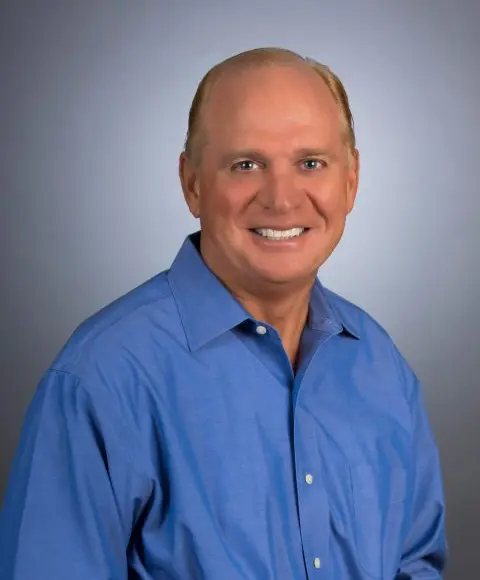
Steve Priest
President & CEO
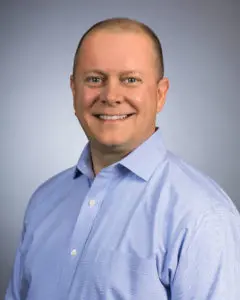
Rick Adams
CFO
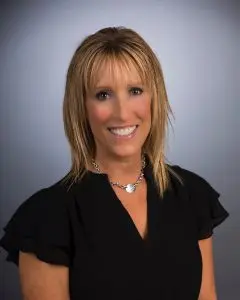
Dena Levine
Chief People Officer
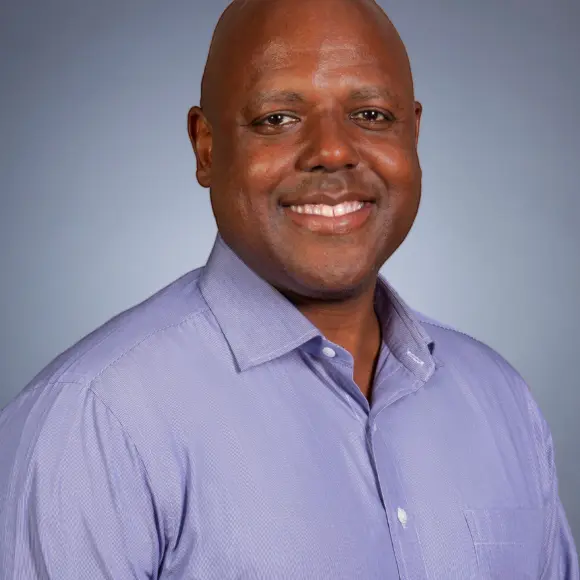
Edward Littlejohn
COO
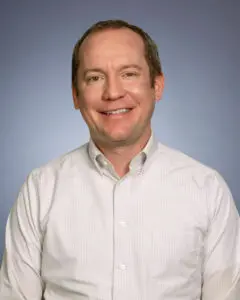
Justin Page
Chief Legal Officer
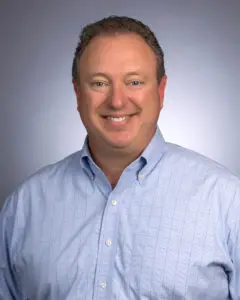
Mark Rappé
Senior VP, Development
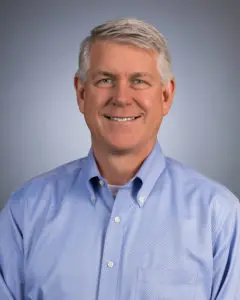
Jim Andrews
VP, Revenue Operations
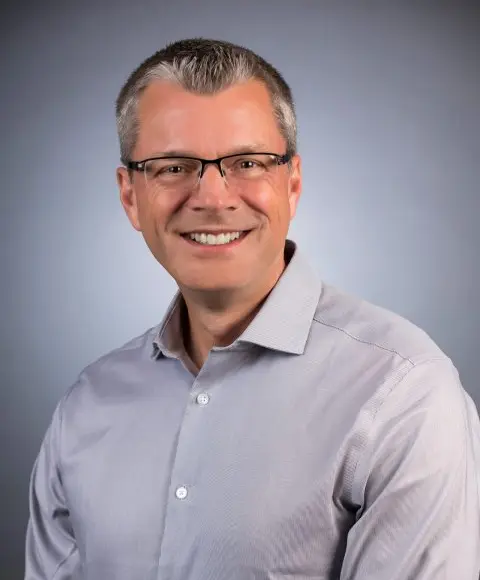
David Hayden, MA, LCADC
Senor VP, Clinical Services
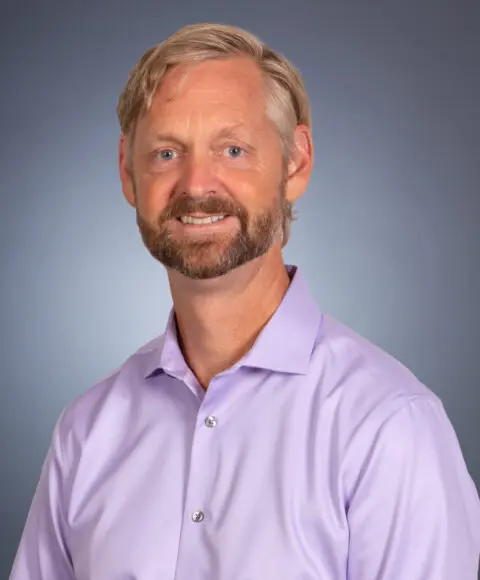
Dave Hoerman
VP, Spero University
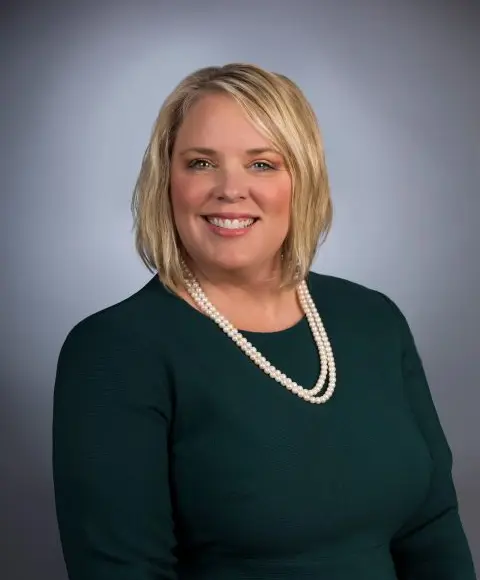
Ginger Jackson
VP, Marketing & Communications
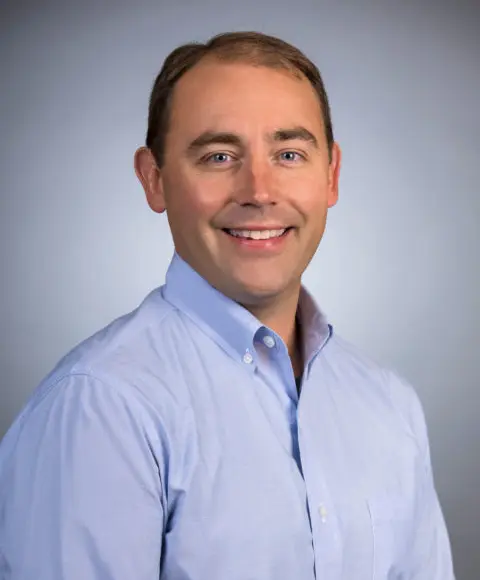
Matt Sirasky
VP, Finance
Accreditations

The Commission on Accreditation of Rehabilitation Facilities (CARF) is a non-profit organization that specifically accredits rehab organizations. Founded in 1966, CARF's, mission is to help service providers like rehab facilities maintain high standards of care.
CARF Accreditation: Yes
Rehab.com regularly reviews this listing for accuracy but changes may occur between updates. For the most up-to-date information, please contact Spero Health.
Contact Information


270 Lexington Ave
Suite 108
Mansfield, OH 44907
Sponsored Helpline


