





























































































About Starting Point Clinic – Methadone Clinic & Suboxone Clinic
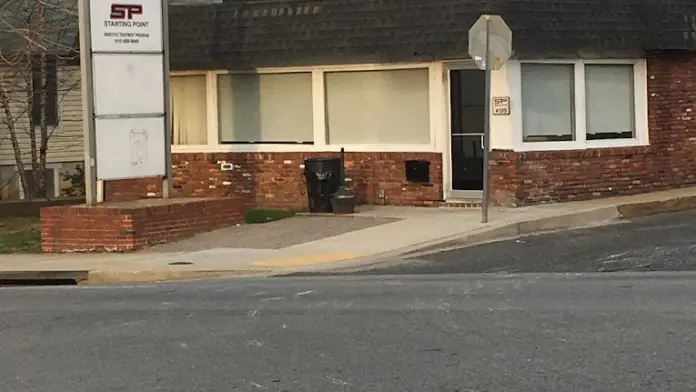
Starting Point is an outpatient addiction treatment center in Brooklyn, Maryland providing substance use disorder care through counseling and medication assisted treatment.
The team takes a coordinated recovery focused approach that combines clinical treatment with case management and community based supports.
Methadone Treatment and Educational Assistance
Care typically begins with regular or intensive outpatient programming with options for medication assisted treatment using methadone or Suboxone (buprenorphine) when clinically appropriate.
Clients can expect a structured mix of counseling and treatment planning focused on recovery skills and relapse prevention. Additional supports include drug testing and referrals as well as assistance with educational, employment, and social service needs.
Quick Facts About Starting Point
- Location: Ritchie Highway in Brooklyn, Maryland, serving the greater Anne Arundel County area.
- Levels of care: Outpatient, intensive outpatient, and medication assisted treatment.
- Who they treat: Adults with substance use disorders, with an emphasis on opioid use disorder.
- Approach: Evidence based counseling combined with MAT, case management, and recovery support.
- Specialty services: Methadone and Suboxone treatment, drug testing, and relapse prevention counseling.
- Wraparound supports: Referrals to community resources, employment and educational assistance, and social service coordination.
Latest Reviews



Rehab Score
 Our Methodology


Gallery
Other Forms of Payment
Self-pay involves paying for treatment out of your own pocket. You can use savings or credit, get a personal loan, or receive help from family and friends to fund your treatment. If you don't have insurance or your insurance plan doesn't cover a specific program, self-pay can help ensure you still get the care you need.
Private insurance refers to any kind of healthcare coverage that isn't from the state or federal government. This includes individual and family plans offered by an employer or purchased from the Insurance Marketplace. Every plan will have different requirements and out of pocket costs so be sure to get the full details before you start treatment.
Medicaid is a state based program that helps lower-income individuals and families pay for healthcare. Medicaid covers addiction treatment so those enrolled can use their coverage to pay for rehab. When a program accepts Medicaid the client often pays very little or nothing out of their own pocket.
Addiction Treatments
Levels of Care
Clients who are exiting detox or intensive inpatient treatment often enroll in outpatient rehab programs to ensure a robust continuity of care. Outpatient programs allow clients to remain in or return to their homes and workplaces while continuing to receive treatment, which typically includes addiction counseling and recovery-focused life skills training. Clients in opioid and/or alcohol recovery may also receive medication assisted treatment (MAT), including medication induction and maintenance, at an outpatient facility.
Clients who are leaving inpatient rehab often choose to transition into an intensive outpatient program (IOP) to receive high-level support as they reintegrate into their home, workplace, and community. Intensive outpatient rehab also benefits those at risk of relapse. Clients typically participate in nine to 20 hours of treatment weekly, with modalities ranging from psychotherapy to addiction and recovery education. Many programs also provide medication assisted treatment (MAT) and complementary care, such as nutrition counseling, and acupuncture.
Quitting drugs and alcohol on your own can cause uncomfortable and even dangerous side effects caused by the withdrawal process. In medically assisted detox, a team of licensed medical professionals will monitor your health, provide medication for potential withdrawal symptoms, and work to keep you safe and comfortable. Most people transition to an inpatient program or a maintenance program that uses medication assisted treatment (MAT).
Treatments
Once a person has become addicted to a substance, drug rehab in Maryland is often necessary to overcome that addiction. These programs provide the tools individuals need to manage the physical, mental, and emotional issues involved and begin a successful recovery journey.
 Opioid Addiction
In Maryland, substance abuse treatment programs support individuals struggling with drugs or alcohol, and those who also have mental health conditions. These rehab programs vary, depending on the level of care you need. That might include inpatient rehab, or an outpatient program. Typically, substance abuse treatment includes evidence-based therapies such as cognitive-behavioral therapy (CBT), dialectical behavior therapy (DBT), recovery support meetings, and skills groups to equip you with new coping strategies when you leave rehab.
Programs
Adult rehab programs include therapies tailored to each client's specific needs, goals, and recovery progress. They are tailored to the specific challenges adult clients may face, including family and work pressures and commitments. From inpatient and residential treatment to various levels of outpatient services, there are many options available. Some facilities also help adults work through co-occurring conditions, like anxiety, that can accompany addiction.
Young adulthood can be an exciting, yet difficult, time of transition. Individuals in their late teens to mid-20s face unique stressors related to school, jobs, families, and social circles, which can lead to a rise in substance use. Rehab centers with dedicated young adult programs will include activities and amenities that cater to this age group, with an emphasis on specialized counseling, peer socialization, and ongoing aftercare.
Clinical Services
Cognitive behavioral therapy and motivational interviewing techniques are often part of group therapy sessions. These are evidence based techniques that address thinking and behavioral patterns that trigger addictive behavior. Learning how to address these thought patterns can help create lasting change.
Individualized one on one therapy allows the therapist to focus on your specific challenges and strengths. Using a personalized approach enables the therapist to help you develop effective coping mechanisms and build a more stable and fulfilling substance free life.
Families in Maryland address the impact of addiction during family therapy. Your therapist fosters open communication between family members to help resolve conflicts and create a supportive environment. By improving relationships, you aid the recovery of the individual struggling with addiction.
Amenities
-
 Residential Setting
 -
 Private Rooms
Accreditations

The Substance Abuse and Mental Health Services Administration (SAMHSA) is a branch of the U.S. Department of Health and Human Services. Established in 1992 by congress, SAMHSA's mission is to reduce the impact of substance abuse and mental illness on American's communities.
SAMHSA Listed: Yes

The Commission on Accreditation of Rehabilitation Facilities (CARF) is a non-profit organization that specifically accredits rehab organizations. Founded in 1966, CARF's, mission is to help service providers like rehab facilities maintain high standards of care.
CARF Accreditation: Yes
Rehab.com regularly reviews this listing for accuracy but changes may occur between updates. For the most up-to-date information, please contact Starting Point Clinic – Methadone Clinic & Suboxone Clinic.
Contact Information


4109 Ritchie Highway
Brooklyn Park, MD 21225
Sponsored Helpline

