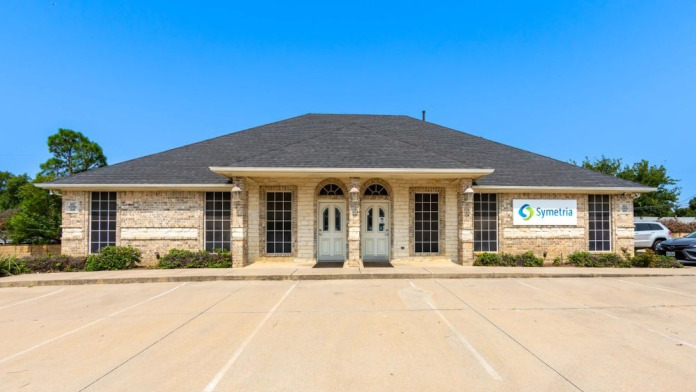
Symetria — Hurst Outpatient Rehab & Suboxone Clinic
1
Top 10 Rehab Centers In Hurst



















































































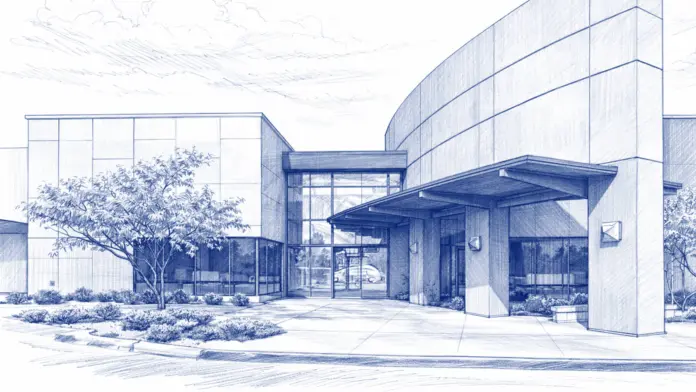
The Family Abuse Center is a Waco based nonprofit serving Central Texas with shelter, counseling, advocacy and education for individuals and families impacted by domestic violence.
The organization supports adults, children and rural community members through emergency shelter, individual and group counseling, legal advocacy and life skills programming.
Its mission centers on eliminating domestic violence by providing free, safe and confidential support that helps survivors rebuild stability and hope.
The Family Abuse Center provides 24/7 emergency shelter for adults and children fleeing domestic violence, along with non residential services for clients who do not need to stay on site.
Survivors receive case management, counseling and support groups, housing assistance and help navigating protective orders and victims’ compensation.
Counseling sessions address trauma and boundaries, self esteem and financial planning, and may be offered in a safe and undisclosed location when needed.
Recognizing children as primary victims of domestic violence, the center offers therapeutic and educational groups, enrichment activities, school coordination, and play therapy elements.
The HOPES program supports McLennan County parents of children ages 0 to 5, while staff travel into surrounding rural counties to extend services across a seven county area.
The Family Abuse Center is located in Waco, Texas and serves Central Texas through both in person and outreach based services, including a 24 hour hotline.
All services are available free of charge for individuals and families impacted by domestic violence.

 Our Methodology


 Free
FreeMedicaid is a state based program that helps lower-income individuals and families pay for healthcare. Medicaid covers addiction treatment so those enrolled can use their coverage to pay for rehab. When a program accepts Medicaid the client often pays very little or nothing out of their own pocket.
Medicare is a federal program that provides health insurance for those 65 and older. It also serves people under 65 with chronic and disabling health challenges. To use Medicare for addiction treatment you need to find a program that accepts Medicare and is in network with your plan. Out of pocket costs and preauthorization requirements vary, so always check with your provider.
Outpatient Programs (OP) are for those seeking mental rehab or drug rehab, but who also stay at home every night. The main difference between outpatient treatment (OP) and intensive outpatient treatment (IOP) lies in the amount of hours the patient spends at the facility. Most of the time an outpatient program is designed for someone who has completed an inpatient stay and is looking to continue their growth in recovery. Outpatient is not meant to be the starting point, it is commonly referred to as aftercare.
Mental health rehabs focus on helping individuals recover from mental illnesses like bipolar disorder, clinical depression, anxiety disorders, schizophrenia, and more. Mental health professionals at these facilities are trained to understand and treat mental health issues, both in individual and group settings.
Adult rehab programs include therapies tailored to each client's specific needs, goals, and recovery progress. They are tailored to the specific challenges adult clients may face, including family and work pressures and commitments. From inpatient and residential treatment to various levels of outpatient services, there are many options available. Some facilities also help adults work through co-occurring conditions, like anxiety, that can accompany addiction.
Recovery is most successful when clients feel accepted and validated by their peers and treatment providers. Facilities that offer LGBTQ-inclusive programming are committed to creating a safe space where everyone can grow and recover without fear of judgment or discrimination. They will have dedicated policies in place to create a safe and supportive environment that fosters free expression.
Group therapy is any therapeutic work that happens in a group (not one-on-one). There are a number of different group therapy modalities, including support groups, experiential therapy, psycho-education, and more. Group therapy involves treatment as well as processing interaction between group members.
In individual therapy, a patient meets one-on-one with a trained psychologist or counselor. Therapy is a pivotal part of effective substance abuse treatment, as it often covers root causes of addiction, including challenges faced by the patient in their social, family, and work/school life.
Trauma therapy addresses traumatic incidents from a client's past that are likely affecting their present-day experience. Trauma is often one of the primary triggers and potential causes of addiction, and can stem from child sexual abuse, domestic violence, having a parent with a mental illness, losing one or both parents at a young age, teenage or adult sexual assault, or any number of other factors. The purpose of trauma therapy is to allow a patient to process trauma and move through and past it, with the help of trained and compassionate mental health professionals.
Couples therapy helps couples learn to control emotions, trust each other, and communicate more effectively. It can be useful for short term intervention for a specific issue or for working on the relationship long term.
Research clearly demonstrates that recovery is far more successful and sustainable when loved ones like family members participate in rehab and substance abuse treatment. Genetic factors may be at play when it comes to drug and alcohol addiction, as well as mental health issues. Family dynamics often play a critical role in addiction triggers, and if properly educated, family members can be a strong source of support when it comes to rehabilitation.
Life skills trainings involve all the skills a person must have in order to function successfully in the world. These include time management, career guidance, money management, and effective communication. Truly successful addiction recovery is based on the ability to not only live substance-free, but to thrive. Life skills teaches the practical necessities of functioning in society, which sets clients up for success in life, and therefore sobriety.
Executive Director
Case Manager
Rehab.com regularly reviews this listing for accuracy but changes may occur between updates. For the most up-to-date information, please contact The Family Abuse Center.

1020 Elm street
Waco TX, 76704
Sponsored Helpline

We have been doing some swim practice here with the local YMCA pool under renovation. Their facility, although small, is new and a great place for us to be during the wait. They have been extra friendly and accommodating to our swim club. Their facilities are very nice, parking is ample, and their front desk staff is friendly and helpful. I like that there is an option for us to sit outside during practice.

Haven’t been yet


Great pool! So thankful to live close by! Great price points and the staff were super kind! Will be going all the time! Highly recommend!
 Back
Back
Sharing your insights and experiences can help others learn more about this rehab center.