































































































They do not care about their patients once hospitalized; they are treated like prisoners in jail! I would not recommend it.
About The Ridge Behavioral Health System
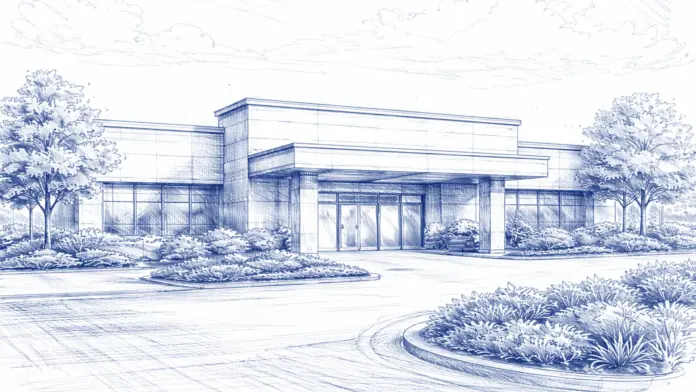
The Ridge Behavioral Health System is a drug and alcohol rehab in Lexington, Kentucky, offering psychiatric and substance use treatment across a full continuum of care.
Located on Rio Dosa Drive, this 110-bed hospital provides medically monitored detox, inpatient care, partial hospitalization and intensive outpatient programs for children, adolescents, adults and seniors.
The Ridge delivers evidence based, family focused care in a safe, structured environment designed to support stabilization and lasting recovery.
Addiction Treatment Programs at The Ridge Behavioral Health System
Treatment often begins with medically monitored detox or acute inpatient stabilization, where patients receive 24/7 care, medication management and discharge planning.
From there, clients can step down into partial hospitalization (PHP) and intensive outpatient (IOP) services that support ongoing recovery and mental wellness.
Patients participate in group therapy, individual therapy and family therapy, along with evidence based interventions tailored to their needs.
The Ridge also provides dual diagnosis treatment for those managing co-occurring substance use and mental health disorders, including mood disorders, anxiety and trauma.
Quick Facts About The Ridge
- Location: Lexington, Kentucky, on a spacious campus designed for healing
- Levels of care: Medically monitored detox, inpatient, PHP and IOP
- Who they treat: Children, adolescents, adults and seniors, including dual diagnosis patients
- Approach: Evidence based, trauma informed care with family involvement
- Payment options: Accepts Medicaid, Medicare and most major insurance plans
- Amenities: Supervised units, group and dining spaces, on-site meals and expressive therapies
- Accreditation: Accredited by The Joint Commission and licensed by the state of Kentucky
Latest Reviews
Nice people and helpful but communication needs to improve. When someone asks for a doctor to call, one should call and not wait for 4 days to do so. Other than that, wasn't bad at all.
Response from the owner2 days ago
Thank you for sharing your feedback and for the kind words about our team. We’re glad you found everyone helpful, and we appreciate your comments about communication. Thank you for your review and for bringing your concerns to our attention. We'd like to follow up with you directly so that we can further address them. At your convenience, please provide us with your contact information by visiting https://ridgebhs.com/contact-us. We hope to hear from you soon.
My son was admitted for psychiatric treatment which was great.. i sent in his medicine, clothes, etc. only problem is during discharge i was given back a spilled bottle that can't be refilled yet!. There's no way my son took 1 full bottle of medication that is prescribed by an outside doctor when he was only there for a week!!! It's impossible!!! But overall, anything else that went on with him i was always updated!
Response from the owner2 days ago
Thank you for sharing your feedback and for noting that you felt informed about your son’s updates. Thank you for bringing your concerns to our attention. We'd like to follow up with you directly so that we can further address them. At your convenience, please provide us with your contact information by visiting https://ridgebhs.com/contact-us. We hope to hear from you soon.
This place is everything they say they are and more. Treated with dignity and not just a patient. They go out of there way to help everyone. I'd recommend this place for anyone struggling with mental health or needing detox.
Response from the owner2 days ago
Thank you for sharing this thoughtful feedback about our team. We appreciate your recommendation and are glad to know you felt treated with dignity and respect. 
Rehab Score
 Our Methodology
Scoring is assigned by a proprietary system which helps surface key metrics that determine quality. The 10-point scale factors in categories such as operations, customer satisfaction, and trust metrics. Read Full Methodology

6.7 / 10
Location
Other Forms of Payment
Medicaid is a state based program that helps lower-income individuals and families pay for healthcare. Medicaid covers addiction treatment so those enrolled can use their coverage to pay for rehab. When a program accepts Medicaid the client often pays very little or nothing out of their own pocket.
Private insurance refers to any kind of healthcare coverage that isn't from the state or federal government. This includes individual and family plans offered by an employer or purchased from the Insurance Marketplace. Every plan will have different requirements and out of pocket costs so be sure to get the full details before you start treatment.
Self-pay involves paying for treatment out of your own pocket. You can use savings or credit, get a personal loan, or receive help from family and friends to fund your treatment. If you don't have insurance or your insurance plan doesn't cover a specific program, self-pay can help ensure you still get the care you need.
Medicare is a federal program that provides health insurance for those 65 and older. It also serves people under 65 with chronic and disabling health challenges. To use Medicare for addiction treatment you need to find a program that accepts Medicare and is in network with your plan. Out of pocket costs and preauthorization requirements vary, so always check with your provider.
Military members, veterans, and eligible dependents have access to specific insurance programs that help them get the care they need. TRICARE and VA insurance can help you access low cost or no cost addiction and mental health treatment. Programs that accept military insurance often have targeted treatment focused on the unique challenges military members, veterans, and their families face.
Addiction Treatments
Levels of Care
Outpatient and partial hospitalization services are provided on a six-day per week basis, days and evenings. The Outpatient Treatment offers a psychiatric evaluation, ongoing medication management, an Intensive Outpatient Program, and a Partial Hospitalization Program (PHP). The treatment process encourages disclosure, acknowledgement, and acceptance to allow and promote change. Participation and attendance are required and both are critical to your success. Your progress is constantly monitored; more intensive or less intensive treatment will be recommended as needed.
Residential treatment programs are those that offer housing and meals in addition to substance abuse treatment. Rehab facilities that offer residential treatment allow patients to focus solely on recovery, in an environment totally separate from their lives. Some rehab centers specialize in short-term residential treatment (a few days to a week or two), while others solely provide treatment on a long-term basis (several weeks to months). Some offer both, and tailor treatment to the patient's individual requirements.
The Ridge Opiate Addiction Detoxification (ROAD) program is designed to address the needs of individuals struggling with the use of heroin and other opiates. We provide medication-assisted treatment to promote recovery with benefits that can include: less discomfort during withdrawal, reduced cravings, better results following treatment, and successful abstinence from drugs.
At certain points in the recovery process, it's important to have support available 24/7. 24-hour clinical care offers a safe environment in which to recover from drug or alcohol addiction in peace, knowing medical detox and other treatment will happen with professionals on hand.
Intensive Outpatient Programs (IOP) are for those who want or need a very structured treatment program but who also wish to live at home and continue with certain responsibilities (such as work or school). IOP substance abuse treatment programs vary in duration and intensity, and certain outpatient rehab centers will offer individualized treatment programs.
The Ridge Outpatient Center will deliver an Early-Intervention phase of treatment for adolescents presenting with problems related to substance use. This program will target the population that lacks prior treatment attempts and may not meet criteria for higher levels of care. The goal of this program is to intervene with youth before drug and alcohol use interferes with more areas of their functioning. At the completion of the four group sessions, a discharge evaluation will be completed by the therapist. If this program does not satisfy a patient’s level of care need, a referral will then be made to the level of care correlating with the symptoms identified during this phase of treatment.
Recovery Dynamics is a researched method of treatment for alcoholism and addiction. This new, enhanced program offers a clear and concise explanation of the 12-Step Program and is uniquely presented in a goal-oriented format that guides each individual to an understanding of the “Problem”, the “Solution”, and the “Plan”.
Completing a drug or alcohol rehab program shouldn't spell the end of substance abuse treatment. Aftercare involves making a sustainable plan for recovery, including ongoing support. This can include sober living arrangements like halfway houses, career counseling, and setting a patient up with community programs like Alcoholics Anonymous (AA) or Narcotics Anonymous (NA).
Treatments
The goal of treatment for alcoholism is abstinence. Those with poor social support, poor motivation, or psychiatric disorders tend to relapse within a few years of treatment. For these people, success is measured by longer periods of abstinence, reduced use of alcohol, better health, and improved social functioning. Recovery and Maintenance are usually based on 12 step programs and AA meetings.
Drug rehab in Kentucky often starts with detox, then includes inpatient or outpatient treatment, and continues with aftercare support. Specific methods used during each of these phases varies, but often include individual and group counseling, medication, and recreational therapies.
The Ridge Recovery Center (RRC) is designed to serve adults over the age of 18 diagnosed with co-occurring disorders. They specialize in the treatment of adults diagnosed with both mental health and substance abuse disorders. In their continued efforts to provide the best possible care for their patients, they have extended the length of their Ridge Recovery Center program to up to 28 days so patients can transition from initial detoxification and stabilization to Inpatient Rehabilitation at The Ridge.
Opioid rehabs specialize in supporting those recovering from opioid addiction. They treat those suffering from addiction to illegal opioids like heroin, as well as prescription drugs like oxycodone. These centers typically combine both physical as well as mental and emotional support to help stop addiction. Physical support often includes medical detox and subsequent medical support (including medication), and mental support includes in-depth therapy to address the underlying causes of addiction.
Substance rehabs focus on helping individuals recover from substance abuse, including alcohol and drug addiction (both illegal and prescription drugs). They often include the opportunity to engage in both individual as well as group therapy.
Programs
Young adulthood can be an exciting, yet difficult, time of transition. Individuals in their late teens to mid-20s face unique stressors related to school, jobs, families, and social circles, which can lead to a rise in substance use. Rehab centers with dedicated young adult programs will include activities and amenities that cater to this age group, with an emphasis on specialized counseling, peer socialization, and ongoing aftercare.
Clinical Services
Animal therapy (aka pet therapy or animal-assisted therapy) can be very healing, as it allows patients to bond with animals, who give unconditional love. This is particularly useful for those who suffered trauma by the hands of people, who may be able to trust and form closer attachments to animals than humans at certain stages of rehabilitation.
Dialectical Behavior Therapy (DBT) is a modified form of Cognitive Behavioral Therapy (CBT), a treatment designed to help people understand and ultimately affect the relationship between their thoughts, feelings, and behaviors. DBT is often used for individuals who struggle with self-harm behaviors, such as self-mutilation (cutting) and suicidal thoughts, urges, or attempts. It has been proven clinically effective for those who struggle with out-of-control emotions and mental health illnesses like Borderline Personality Disorder.
For those struggling with treatment resistant depression, mania, and other forms of mental illness, ECT (Electro-Convulsive Therapy) is available at The Ridge Behavioral Health System. Led by their ECT Medical Director, Dr. David Shraberg and the use of state of the art technology, their ECT Treatment Team will provide patients with an effective treatment program that brings hope and relief of their symptoms.
Experiential therapy is a form of therapy in which clients are encouraged to surface and work through subconscious issues by engaging in real-time experiences. Experiential therapy departs from traditional talk therapy by involving the body, and having clients engage in activities, movements, and physical and emotional expression. This can involve role-play or using props (which can include other people). Experiential therapy can help people process trauma, memories, and emotion quickly, deeply, and in a lasting fashion, leading to substantial and impactful healing.
Research clearly demonstrates that recovery is far more successful and sustainable when loved ones like family members participate in rehab and substance abuse treatment. Genetic factors may be at play when it comes to drug and alcohol addiction, as well as mental health issues. Family dynamics often play a critical role in addiction triggers, and if properly educated, family members can be a strong source of support when it comes to rehabilitation.
Group therapy is any therapeutic work that happens in a group (not one-on-one). There are a number of different group therapy modalities, including support groups, experiential therapy, psycho-education, and more. Group therapy involves treatment as well as processing interaction between group members.
In individual therapy, a patient meets one-on-one with a trained psychologist or counselor. Therapy is a pivotal part of effective substance abuse treatment, as it often covers root causes of addiction, including challenges faced by the patient in their social, family, and work/school life.
Life skills trainings involve all the skills a person must have in order to function successfully in the world. These include time management, career guidance, money management, and effective communication. Truly successful addiction recovery is based on the ability to not only live substance-free, but to thrive. Life skills teaches the practical necessities of functioning in society, which sets clients up for success in life, and therefore sobriety.
Amenities
-
 Residential Setting
 -
 Private Setting
Staff & Accreditations
Staff
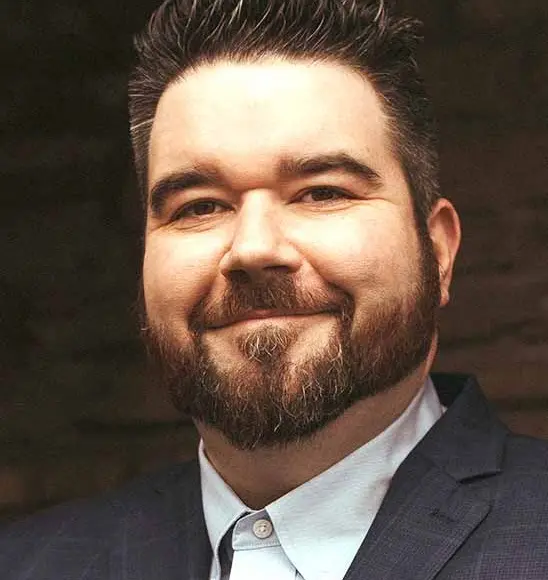
Keith Rankin
CEO
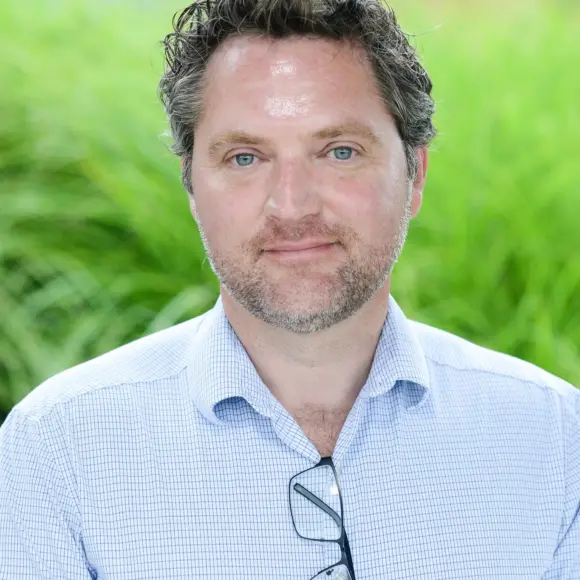
Brian Greenlee, MD
Medical Director
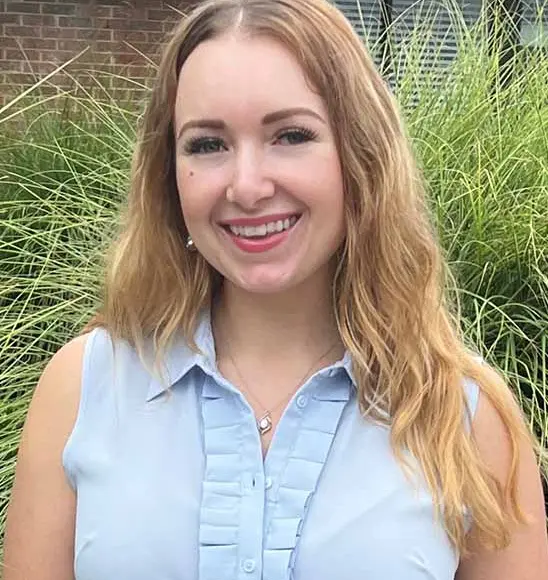
Daniella Gavito, MD
Medical Director
Accreditations

The Joint Commission, formerly known as JCAHO, is a nonprofit organization that accredits rehab organizations and programs. Founded in 1951, the Joint Commision's mission is to improve the quality of patient care and demonstrating the quality of patient care.
Joint Commission Accreditation: Yes
Rehab.com regularly reviews this listing for accuracy but changes may occur between updates. For the most up-to-date information, please contact The Ridge Behavioral Health System.
Contact Information

403 Gibson Lane
Richmond, KY 40475
Get Help Now - 859-592-2997
Sponsored Helpline
Sponsored Helpline


