Symetria — Hurst Outpatient Rehab & Suboxone Clinic
1
Top 10 Rehab Centers In Hurst



















































































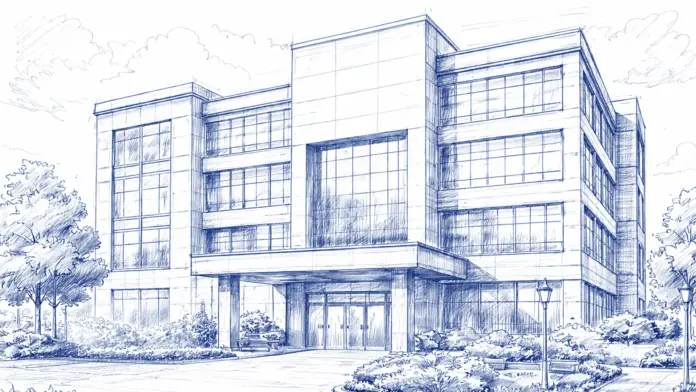
The Virtue Center offers substance addiction and mental health treatment serving Norman, Oklahoma through trauma-informed, evidence-based care. The center’s walk-in screening model lowers barriers to care, helping adults, teens, women and families start recovery quickly while maintaining daily responsibilities.
The Virtue Center’s outpatient services form the backbone of its addiction treatment programming. The center partners with Solace Psychiatry to deliver coordinated medication assisted treatment using FDA-approved medications like Suboxone or Vivitrol, paired with individual, group, and family counseling under one roof.
The medications help reduce drug cravings and lessen withdrawal symptoms while allowing guests to focus on their recovery in comfort. Treatment combines trauma-informed behavioral support with personalized planning that addresses the physical and emotional roots of substance use.
The center offers Peer Recovery Support Services led by trained specialists with lived recovery experience, creating connection and hope alongside clinical treatment. Specialized groups address opioid recovery, women’s recovery, and problem gambling, while family therapy helps loved ones heal together.
Evening group sessions accommodate work and family schedules, with virtual options available for flexibility. As a nonprofit provider, the center accepts most major insurance plans.

 Our Methodology


Financial aid can take many forms. Centers may have grants or scholarships available to clients who meet eligibility requirements. Programs that receive SAMHSA grants may have financial aid available for those who need treatment as well. Grants and scholarships can help you pai for treatment without having to repay.
Sliding scale payments are based on a client's income and family size. The goal is to make treatment affordable to everyone. By taking these factors into account, addiction recovery care providers help ensure that your treatment does not become a financial burden to you or your family, eliminating one barrier to care.
Clients participating in an intensive outpatient program (IOP) receive frequent, high-level care while living at home. Many enter intensive outpatient treatment immediately after leaving inpatient rehab, but some transition directly from detox into IOP. Treatment generally involves nine to 20 therapeutic hours per week and a combination of addiction counseling, recovery-focused life skills training, and evidence-based complementary care. Many outpatient rehabs also offer medication assisted treatment (MAT) for clients with alcohol and/or opioid addiction.
Clients seeking care in an outpatient rehab are often stepping down from intensive inpatient treatment or have chosen to remain in their home while in treatment. Outpatient programs offer a variety of services to provide clients with a full continuum of care. Partial hospitalization (PHP) and intensive outpatient (IOP) programs are high frequency and intensity services for clients who require robust structure, supervision, and support. Outpatient treatment typically consists of psychotherapy, recovery education, and medication assisted treatment (MAT).
Due to telehealth options, you can now connect with your healthcare provider even when in-person visits aren't possible. You can consult with a specialist, get information about a condition, get a prescription, or receive a diagnosis via telehealth care.
People with alcoholism (also known as alcohol dependence or alcohol use disorder) do not have reliable control of their alcohol use. They experience withdrawal symptoms if drinking suddenly stops. Due to these symptoms, medical detox is often best for those who seek treatment for alcohol addiction. Once this supervised process is complete, alcohol rehab in Oklahoma can provide further treatment and follow-up for recovery.
 Opioid Addiction
To address the issues of addiction, each drug rehab in Oklahoma is tailored to meet the individual's needs. Treatment may occur in a residential or outpatient setting, and may last from a few days to several months.
Addiction treatment programs in Oklahoma help individuals to address substance abuse problems. With various programs available, including outpatient, inpatient, and partial hospitalization, you can find the right level of care. Typically, you can expect treatment programs to incorporate evidence-based therapies, such as cognitive-behavioral therapy (CBT), skills training, recovery meetings, and mindfulness-based therapy. When integrated, these therapeutic interventions can help you successfully overcome substance abuse and continue to enjoy long-term mental health.
Mental health therapists will help you learn to identify your personal triggers and develop healthy coping mechanisms for stress and anxiety management. You will also learn how to maintain healthy relationships and develop a positive outlook on life, which are essential for mental health.
Oklahoma's dual-diagnosis addiction treatment programs prioritize comprehensive care for individuals with co-occurring substance use disorders and mental health conditions. Levels of care include medical detox, intensive outpatient, and residential drug and alcohol rehab. Programs usually include 24-hour medical care, a mental health assessment and individual treatment plan, evidence-based therapies, and recovery support groups. A successful dual-diagnosis treatment plan should be tailored to support your diagnosis and address your unique needs.
Teen programs are designed to address the unique pressures teens face, pressures that can drive them to experiment with dangerous, addictive substances. They need programs that meet them exactly where they are and give them tools for long-term recovery. Therapy can help teenagers understand and work through underlying issues so they can reclaim the life ahead of them.
Adult rehab programs include therapies tailored to each client's specific needs, goals, and recovery progress. They are tailored to the specific challenges adult clients may face, including family and work pressures and commitments. From inpatient and residential treatment to various levels of outpatient services, there are many options available. Some facilities also help adults work through co-occurring conditions, like anxiety, that can accompany addiction.
Serving in the military is both mentally and physically challenging, and can result in trauma that persists even after combat ends. Military programs are tailored to the specific and often complex needs of active duty personnel, veterans, and military families. Clients often access these programs through the U.S. Department of Veterans Affairs (VA).
If you participate in cognitive behavioral therapy in Oklahoma, you can expect to attend somewhere between five and 20 sessions. This short term method is an effective way to learn healthy coping strategies that help you change your thinking and behavior patterns.
Men and women in group therapy for drug and alcohol addiction experience peer support, including empathy and encouragement from peers who understand their journey. This helps people to better understand and manage addictive behaviors.
Motivational interviewing may be used on its own or in conjunction with other treatment approaches. It is designed as a mode of communication rather than an intervention. It involves asking questions, listening, and encouraging clients to come to their own conclusions and feel empowered to make changes in their lives.

The Joint Commission, formerly known as JCAHO, is a nonprofit organization that accredits rehab organizations and programs. Founded in 1951, the Joint Commision's mission is to improve the quality of patient care and demonstrating the quality of patient care.
Joint Commission Accreditation: Yes
Rehab.com regularly reviews this listing for accuracy but changes may occur between updates. For the most up-to-date information, please contact The Virtue Center.

2457 Wilcox Dr, Norman, OK 73069
Sponsored Helpline


They are rude and not helpful at all


if you're looking for a DUI assessment in Oklahoma this is the place to come. You can pay and complete it online & if you really want help with what got you here in the first place, they can help you figure out why your drinking or using is out of control & help you find your way to the better life you and your family deserve. You can do it if I can. <3
 Back
Back
Sharing your insights and experiences can help others learn more about this rehab center.