





























































































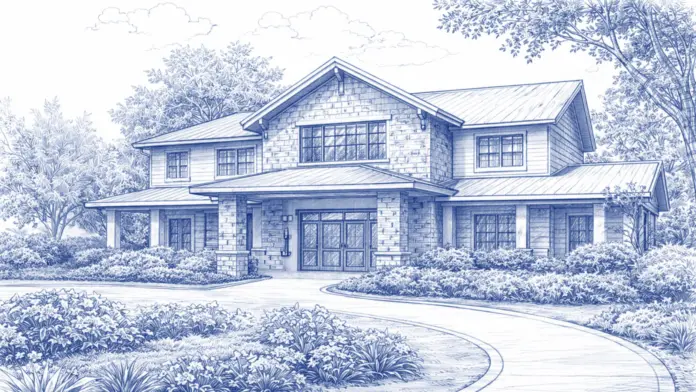
About Turning Point Recovery Centers
Turning Point Recovery Centers is a substance use treatment program in Bowling Green, Missouri, operating as part of Mark Twain Behavioral Health, a not-for-profit Certified Community Behavioral Health Clinic serving Northeast Missouri since 1975.
The Bowling Green office offers outpatient addiction treatment with access to a broader network of recovery services for adults facing alcohol, opioid and other substance use challenges.
Its care is rooted in individualized treatment planning, integrated co-occurring support and a philosophy that meets clients where they are.
Detox with High Intensity Residential Treatment
Clients typically begin with an assessment that guides placement into the appropriate level of care.
Through the Mark Twain Behavioral Health network, services may include supervised medical detox, clinically managed residential withdrawal management, high-intensity residential treatment and outpatient programming.
At the Bowling Green location, outpatient services feature individual counseling, group therapy, educational groups, relapse prevention, codependency counseling for loved ones and anger management.
Integrated treatment for co-occurring mental health and substance use disorders is available, with support for either abstinence based or harm reduction goals.
Quick Facts: Turning Point Recovery Centers
- Location: 1420 Business 61 South, Unit G, Bowling Green, Missouri
- Levels of care: Outpatient counseling, with access to detox and residential services through the wider network
- Who they treat: Adult men and women, including gender-specific programs
- Approach: Individualized, integrated care for co-occurring disorders supporting abstinence or harm reduction
- Accreditation: CARF accredited and SAMHSA listed
- Payment options: Accepts major private insurance including Blue Cross Blue Shield, UnitedHealthcare, Aetna, Cigna and Humana

Rehab Score
 Our Methodology


Location
Accepted Insurance
Other Forms of Payment
Medicaid is a state based program that helps lower-income individuals and families pay for healthcare. Medicaid covers addiction treatment so those enrolled can use their coverage to pay for rehab. When a program accepts Medicaid the client often pays very little or nothing out of their own pocket.
Private insurance refers to any kind of healthcare coverage that isn't from the state or federal government. This includes individual and family plans offered by an employer or purchased from the Insurance Marketplace. Every plan will have different requirements and out of pocket costs so be sure to get the full details before you start treatment.
Self-pay involves paying for treatment out of your own pocket. You can use savings or credit, get a personal loan, or receive help from family and friends to fund your treatment. If you don't have insurance or your insurance plan doesn't cover a specific program, self-pay can help ensure you still get the care you need.
Financial aid can take many forms. Centers may have grants or scholarships available to clients who meet eligibility requirements. Programs that receive SAMHSA grants may have financial aid available for those who need treatment as well. Grants and scholarships can help you pai for treatment without having to repay.
Sliding scale payments are based on a client's income and family size. The goal is to make treatment affordable to everyone. By taking these factors into account, addiction recovery care providers help ensure that your treatment does not become a financial burden to you or your family, eliminating one barrier to care.
Military members, veterans, and eligible dependents have access to specific insurance programs that help them get the care they need. TRICARE and VA insurance can help you access low cost or no cost addiction and mental health treatment. Programs that accept military insurance often have targeted treatment focused on the unique challenges military members, veterans, and their families face.
Medicare is a federal program that provides health insurance for those 65 and older. It also serves people under 65 with chronic and disabling health challenges. To use Medicare for addiction treatment you need to find a program that accepts Medicare and is in network with your plan. Out of pocket costs and preauthorization requirements vary, so always check with your provider.
Addiction Treatments
Levels of Care
Both group and Individual counseling is available on an outpatient basis. Additionally, educational groups and relapse prevention are available through Outpatient services. All services are driven by an individual treatment plan, which guides the frequency and duration of services. Codependency counseling is offered to significant others, wives, family of consumers. Anger management classes are offered at each location when there are enough consumer requests to warrant developing a group.
Drug and alcohol addiction often takes a heavy toll on one's body. Over time, a physical dependence can develop, meaning the body physiologically needs the substance to function. Detox is the process of removing drugs and/or alcohol from the body, a process that can be lethal if mismanaged. Medical detox is done by licensed medical professionals who monitor vital signs and keep you safe, healthy, and as comfortable as possible as you go through detox and withdrawal.
Treatments
The goal of treatment for alcoholism is abstinence. Those with poor social support, poor motivation, or psychiatric disorders tend to relapse within a few years of treatment. For these people, success is measured by longer periods of abstinence, reduced use of alcohol, better health, and improved social functioning. Recovery and Maintenance are usually based on 12 step programs and AA meetings.
Drug rehab in Missouri usually involves several phases: detox, rehab, and aftercare. The rehab phase may include a combination of inpatient and outpatient treatments, as the individual moves through a continuum of care on their recovery journey.
Opioid rehabs specialize in supporting those recovering from opioid addiction. They treat those suffering from addiction to illegal opioids like heroin, as well as prescription drugs like oxycodone. These centers typically combine both physical as well as mental and emotional support to help stop addiction. Physical support often includes medical detox and subsequent medical support (including medication), and mental support includes in-depth therapy to address the underlying causes of addiction.
Substance rehabs focus on helping individuals recover from substance abuse, including alcohol and drug addiction (both illegal and prescription drugs). They often include the opportunity to engage in both individual as well as group therapy.
Programs
Adult rehab programs include therapies tailored to each client's specific needs, goals, and recovery progress. They are tailored to the specific challenges adult clients may face, including family and work pressures and commitments. From inpatient and residential treatment to various levels of outpatient services, there are many options available. Some facilities also help adults work through co-occurring conditions, like anxiety, that can accompany addiction.
Young adulthood can be an exciting, yet difficult, time of transition. Individuals in their late teens to mid-20s face unique stressors related to school, jobs, families, and social circles, which can lead to a rise in substance use. Rehab centers with dedicated young adult programs will include activities and amenities that cater to this age group, with an emphasis on specialized counseling, peer socialization, and ongoing aftercare.
Clinical Services
Family members are encouraged to participate in the consumer’s treatment through attending Family Groups on Sundays and family conferences with a counselor while the consumer is in treatment. Family members are also encouraged to participate in local Al-Anon groups for support.
Group therapy is any therapeutic work that happens in a group (not one-on-one). There are a number of different group therapy modalities, including support groups, experiential therapy, psycho-education, and more. Group therapy involves treatment as well as processing interaction between group members.
In individual therapy, a patient meets one-on-one with a trained psychologist or counselor. Therapy is a pivotal part of effective substance abuse treatment, as it often covers root causes of addiction, including challenges faced by the patient in their social, family, and work/school life.
Accreditations

The Commission on Accreditation of Rehabilitation Facilities (CARF) is a non-profit organization that specifically accredits rehab organizations. Founded in 1966, CARF's, mission is to help service providers like rehab facilities maintain high standards of care.
CARF Accreditation: Yes

The Substance Abuse and Mental Health Services Administration (SAMHSA) is a branch of the U.S. Department of Health and Human Services. Established in 1992 by congress, SAMHSA's mission is to reduce the impact of substance abuse and mental illness on American's communities.
SAMHSA Listed: Yes
Rehab.com regularly reviews this listing for accuracy but changes may occur between updates. For the most up-to-date information, please contact Turning Point Recovery Centers.
Contact Information


1420 Business 61 South
Unit G
Bowling Green, MO 63334
Sponsored Helpline
