





























































































About University of Cincinnati – Addiction Sciences
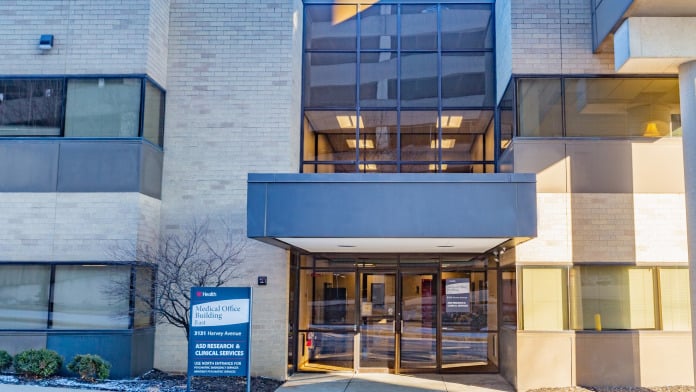
University of Cincinnati’s Addiction Science Center champions evidence-based substance-use treatment grounded in research and a commitment to transforming how addiction is understood and treated. This facility is located on Harvey Avenue in Cincinnati, Ohio, about a mile three miles east of the Cincinnati Museum Center at Union Terminal. It’s at the East Building just off Martin Luther King Drive and near UC Medical Center with easy access from I-71 and neighboring communities.
Seeking care at this facility places you in the hands of seasoned interdisciplinary professionals. This team includes researchers, educators and clinicians with over 10 years of experience in addiction sciences.
As part of the National Institute on Drug Abuse’s Clinical Trials Network, you’ll benefit from cutting-edge treatment strategies that are proven effective. You may even have the opportunity to participate in clinical trials that are shaping the future of addiction care.
Coordinated Opioids Recovery Using Methadone
People who turn to this center for help with opioid use receive wraparound care that addresses both body and mind. This coordinated care combines medication-assisted treatment with medically managed outpatient therapy and case management to support long-term healing. Following your intake assessment, you may be prescribed methadone as part of a personalized recovery plan to ease withdrawal symptoms and reduce physiological cravings.
This methadone maintenance treatment involves six days of weekly dosing. At the same time, you’ll receive therapeutic support to help you work through underlying emotional issues and build effective strategies for preventing relapse. As part of medically managed outpatient care, you’ll receive close medical oversight, including regular monitoring, assessments and treatment adjustments by physicians or nurse practitioners.
Additional Services For Effective Healing
Clients will also receive psychiatric medication management to help you address co-occurring mental health challenges and regain emotional stability. A case manager will help you navigate practical challenges like housing, transportation and employment, making sure you stay supported even as you move forward. A reviewer complimented the facility for providing world class treatment and really caring about their patients.
Latest Reviews



Rehab Score
 Our Methodology


Gallery
Accepted Insurance
Other Forms of Payment
Self-pay involves paying for treatment out of your own pocket. You can use savings or credit, get a personal loan, or receive help from family and friends to fund your treatment. If you don't have insurance or your insurance plan doesn't cover a specific program, self-pay can help ensure you still get the care you need.
Medicare is a federal program that provides health insurance for those 65 and older. It also serves people under 65 with chronic and disabling health challenges. To use Medicare for addiction treatment you need to find a program that accepts Medicare and is in network with your plan. Out of pocket costs and preauthorization requirements vary, so always check with your provider.
Private insurance refers to any kind of healthcare coverage that isn't from the state or federal government. This includes individual and family plans offered by an employer or purchased from the Insurance Marketplace. Every plan will have different requirements and out of pocket costs so be sure to get the full details before you start treatment.
Addiction Treatments
Levels of Care
Drug and alcohol addiction often takes a heavy toll on one's body. Over time, a physical dependence can develop, meaning the body physiologically needs the substance to function. Detox is the process of removing drugs and/or alcohol from the body, a process that can be lethal if mismanaged. Medical detox is done by licensed medical professionals who monitor vital signs and keep you safe, healthy, and as comfortable as possible as you go through detox and withdrawal.
Outpatient Programs (OP) are for those seeking mental rehab or drug rehab, but who also stay at home every night. The main difference between outpatient treatment (OP) and intensive outpatient treatment (IOP) lies in the amount of hours the patient spends at the facility. Most of the time an outpatient program is designed for someone who has completed an inpatient stay and is looking to continue their growth in recovery. Outpatient is not meant to be the starting point, it is commonly referred to as aftercare.
Treatments
The goal of treatment for alcoholism is abstinence. Those with poor social support, poor motivation, or psychiatric disorders tend to relapse within a few years of treatment. For these people, success is measured by longer periods of abstinence, reduced use of alcohol, better health, and improved social functioning. Recovery and Maintenance are usually based on 12 step programs and AA meetings.
Drug rehab in Ohio provides comprehensive treatment to address the physical and psychological needs of those struggling with substance use disorders. This may involve inpatient and/or outpatient care.
Many of those suffering from addiction also suffer from mental or emotional illnesses like schizophrenia, bipolar disorder, depression, or anxiety disorders. Rehab and other substance abuse facilities treating those with a dual diagnosis or co-occurring disorder administer psychiatric treatment to address the person's mental health issue in addition to drug and alcohol rehabilitation.
A combined mental health and substance abuse rehab has the staff and resources available to handle individuals with both mental health and substance abuse issues. It can be challenging to determine where a specific symptom stems from (a mental health issue or an issue related to substance abuse), so mental health and substance abuse professionals are helpful in detangling symptoms and keeping treatment on track.
Opioid rehabs specialize in supporting those recovering from opioid addiction. They treat those suffering from addiction to illegal opioids like heroin, as well as prescription drugs like oxycodone. These centers typically combine both physical as well as mental and emotional support to help stop addiction. Physical support often includes medical detox and subsequent medical support (including medication), and mental support includes in-depth therapy to address the underlying causes of addiction.
Programs
Adult rehab programs include therapies tailored to each client's specific needs, goals, and recovery progress. They are tailored to the specific challenges adult clients may face, including family and work pressures and commitments. From inpatient and residential treatment to various levels of outpatient services, there are many options available. Some facilities also help adults work through co-occurring conditions, like anxiety, that can accompany addiction.
Young adulthood can be an exciting, yet difficult, time of transition. Individuals in their late teens to mid-20s face unique stressors related to school, jobs, families, and social circles, which can lead to a rise in substance use. Rehab centers with dedicated young adult programs will include activities and amenities that cater to this age group, with an emphasis on specialized counseling, peer socialization, and ongoing aftercare.
Clinical Services
Group therapy is any therapeutic work that happens in a group (not one-on-one). There are a number of different group therapy modalities, including support groups, experiential therapy, psycho-education, and more. Group therapy involves treatment as well as processing interaction between group members.
Staff & Accreditations
Staff
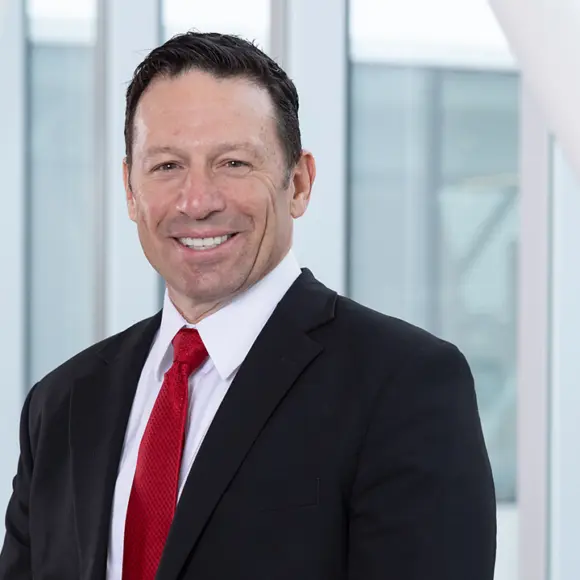
Cory D. Shaw
President & CEO
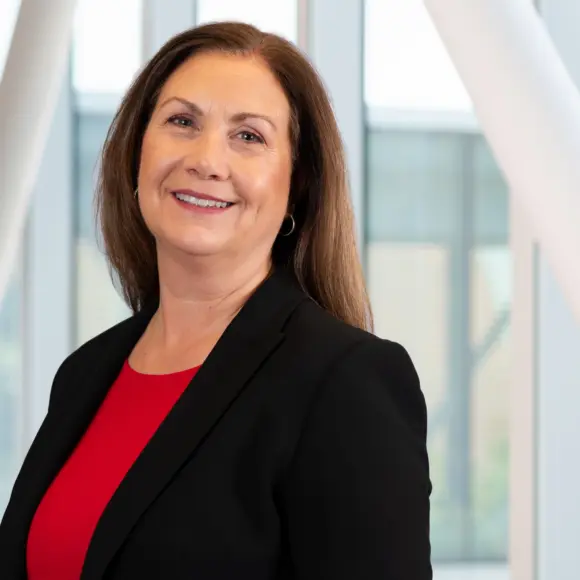
Katrina M. English
SVP & Chief Administrative Officer

Rick Hinds
SVP & CFO

Arthur Pancioli, MD
SVP & Chief Clinical Officer
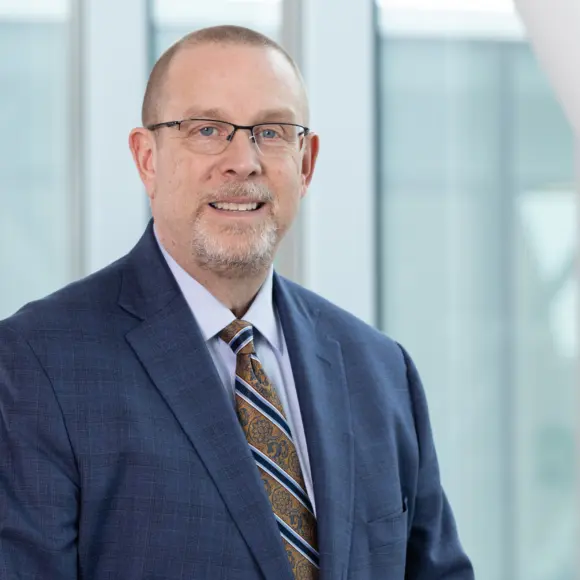
Robert J. Wiehe
SVP & COO
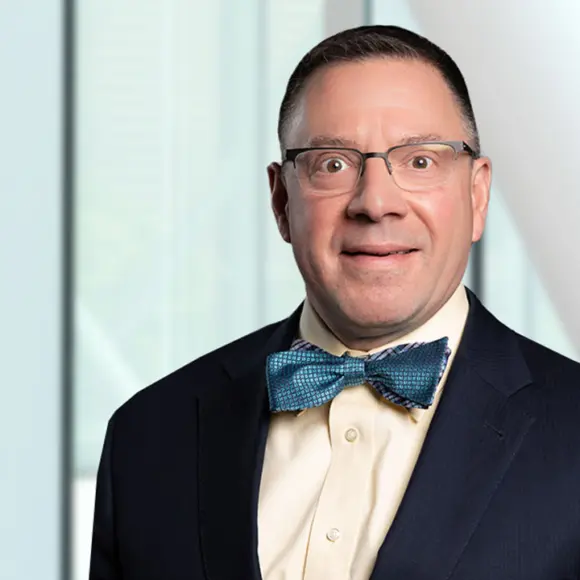
Jay Brown
VP & Chief Information Officer

Umberto Tachinardi, MD
SVP & Chief Health Digital Officer
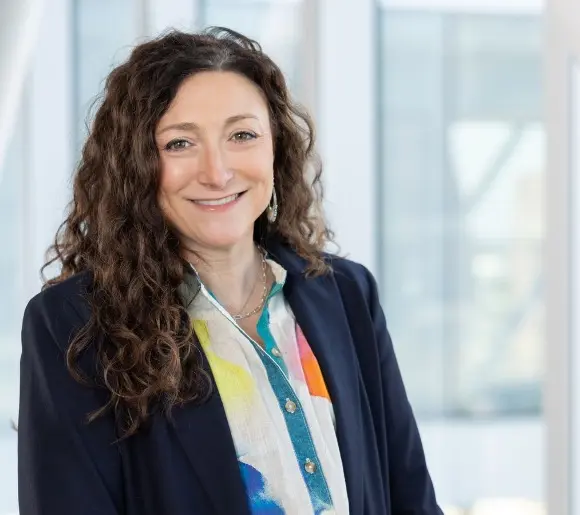
Margie Zyble
SVP & Chief Human Resources Officer
Accreditations

The Substance Abuse and Mental Health Services Administration (SAMHSA) is a branch of the U.S. Department of Health and Human Services. Established in 1992 by congress, SAMHSA's mission is to reduce the impact of substance abuse and mental illness on American's communities.
SAMHSA Listed: Yes
Rehab.com regularly reviews this listing for accuracy but changes may occur between updates. For the most up-to-date information, please contact University of Cincinnati – Addiction Sciences.
Contact Information


3131 Harvey Avenue
Cincinnati, OH 45229
Sponsored Helpline



