






























































































Westport House is well managed and well run. It has all the amenities you could ask for, with resources to get every aspect of your life back on track. The management and staff cares about you, and that's important when trying to better yourself. They really give you an uppe ...
About Westport House
Westport House, located in Stamford, Connecticut is a private alcohol and drug rehab that offers treatment for a variety of substance abuse addictions including alcoholism, co-occurring mental health disorders, and opiate addiction. They offer supervised medical treatment to safely manage withdrawal symptoms during detoxification, residential care providing long term support for addiction recovery, as well as flexible outpatient addiction therapy allowing patients to live at home while receiving regular treatment. Additional levels of care offered include intensive outpatient, relapse prevention, and recovery housing.
Specialty rehab programs at Westport House include tailored care focusing on women's specific needs and experiences, gender-specific addiction treatment addressing unique challenges faced by men, and inclusive treatment respecting diverse sexual orientations and gender identities.
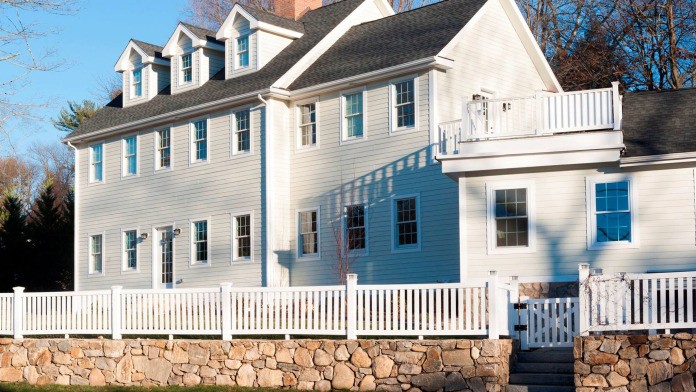
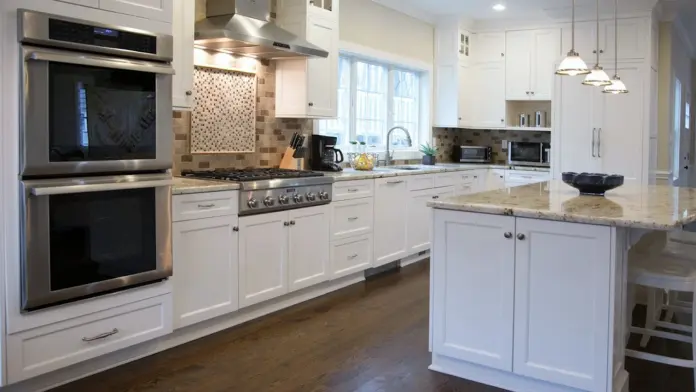
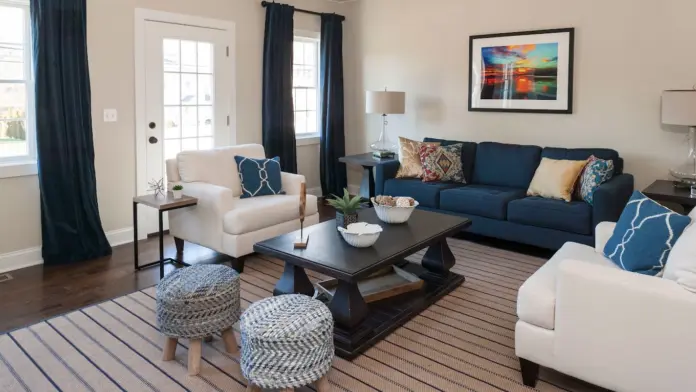
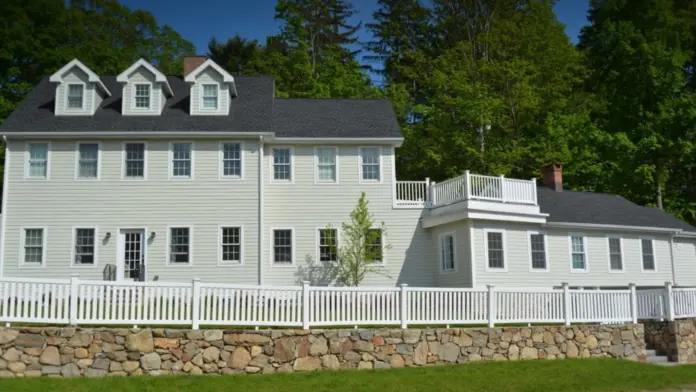
Patients at Westport House will find the residential setting creates an immersive environment promoting full engagement in recovery away from daily triggers and the private rooms that give personal space for reflection and undisturbed rest during treatment. The natural setting lets patients get immersed in nature to reduce stress and begin their healing process in a holistic manner. For recreation, patients can unwind in the rec room after a lengthy day of therapy, use the gym to stay healthy and build a strong foundation for recovery, or express themselves creatively with art activities.
Westport House has received accreditations from CARF, LegitScript, and The NAATP.
Latest Reviews
Reviewed on 09/19/2019
Westport House is well managed and well run. It has all the amenities you could ask for, with resources to get every aspect of your life back on track. The management and staff cares about you, and that's important when trying to better yourself. They really give you an upper hand. I hope I don't need to, but I would recommend anyone to stay here to get their life back on track, and I would again in a heartbeat.
Reviewed on 09/19/2019
After years of trying everything we could think of, my wife and I finally found Westport House. Our son was admitted quickly and efficiently, and, from that point on, our experience was incredible. After a couple of months we saw a noticeable change in our son. The staff was very timely in their correspondence with us and always treated us appropriately. During his time there, our son became actively involved in Alcoholics Anonymous, obtained employment, and began treating us and others with a level of respect we did not know he was capable of. He stayed there for 7 months, and I can say, it was very much worth every penny. Our son is still sober today and continues to attend the AA meetings that he went to during his time at Westport House. We cannot thank Westport House enough for giving us our son back. After 7 painful years, the change that he was able to make in his life is incredible, and it is all thanks to the great staff and services at Westport House.
Reviewed on 09/19/2019
After being in and out of many different rehabs, it was at Westport House that I learned how to live a brand new life. The staff was kind, loving, and compassionate. They showed me the way up and out of the horrible rut I was in. They also helped my family understand addiction, and what they needed to do to help me, and themselves. The atmosphere is relaxed, comfortable, and the incredibly supportive! Being able to see their therapists and clinical team was also essential in aiding my recovery. I'm so grateful for the life Westport House gave me.

Rehab Score
 Our Methodology
Scoring is assigned by a proprietary system which helps surface key metrics that determine quality. The 10-point scale factors in categories such as operations, customer satisfaction, and trust metrics. Read Full Methodology

7.6 / 10
Gallery


Accepted Insurance
Other Forms of Payment
Private insurance refers to any kind of healthcare coverage that isn't from the state or federal government. This includes individual and family plans offered by an employer or purchased from the Insurance Marketplace. Every plan will have different requirements and out of pocket costs so be sure to get the full details before you start treatment.
Self-pay involves paying for treatment out of your own pocket. You can use savings or credit, get a personal loan, or receive help from family and friends to fund your treatment. If you don't have insurance or your insurance plan doesn't cover a specific program, self-pay can help ensure you still get the care you need.
Addiction Treatments
Levels of Care
Outpatient rehabs offer a wide variety of therapeutic programs to address clients' unique and evolving needs. They are generally most effective for clients who have completed inpatient treatment and are medically stable. Most outpatient treatment centers prioritize addiction counseling and recovery-focused life skills training. Many also provide medication assisted treatment (MAT) for clients in alcohol and opioid recovery. Evening, night, and weekend sessions are commonly offered to accommodate clients' schedules.
Inpatient rehab offers intensive treatment for clients who are transitioning out of detox, in early recovery, and at risk of relapse. Housing and meals are provided, and most facilities offer round-the-clock clinical care. Clients engage in multiple counseling and therapy sessions each week, along with extensive recovery-focused life skills training. Many inpatient drug rehab programs include evidence-based complementary therapies, such as meditation, massage, creative arts therapy, nutrition therapy, and experiential therapy.
Intensive Outpatient programs are for those who want or need a very structured treatment program but who also wish to live at home and continue with certain responsibilities (such as work or school). IOP substance abuse treatment programs vary in duration and intensity, and certain outpatient rehab centers will offer individualized treatment programs. Westport House's program provides individual, group, and family therapy. Clients attend groups three days per week for eight to twelve weeks, where they practice coping skills, participate in sober activities, and develop recovery action plans.
Rehab aftercare programs promote clients' long-term sobriety through a suite of services designed to provide a complete continuum of care. Drug rehab aftercare typically begins as soon as patients exit inpatient care and often includes formal outpatient treatment. Clients who no longer require outpatient counseling, education, or other treatment generally continue to receive rehab aftercare services, such as peer coaching, career counseling, or 12 step program induction. Clients typically develop their program in collaboration with their case manager.
12-step programs are addiction recovery models based on Alcoholics Anonymous (AA). A number of substance abuse programs (including some drug and alcohol rehab centers) use the 12 steps as a basis for treatment. Beginning steps involve admitting powerlessness over the addiction and creating a spiritual basis for recovery. Middle steps including making direct amends to those who've been hurt by the addiction, and the final step is to assist others in addiction recovery in the same way. 12-Step offshoots including Narcotics Anonymous (NA), Cocaine Anonymous (CA), Dual Recovery Anonymous (DRA), Sex and Love Addicts Anonymous (SLAA) and Gamblers Anonymous (GA).
Sober Living Houses (SLHs), aka sober homes or halfway houses, are safe, substance-free, supportive living facilities for those recovering from substance abuse. Ideal for those who've just been through inpatient or outpatient treatment, SLHs are supervised environments with rules that support sobriety, such as curfews, shared chores, and therapeutic meetings. Residents are also often trained on life skills and coping skills to make it easier to transition into society. SLHs also provide a strong sense of community that can lead to the kind of deep and lasting connections with other sober individuals that supports a new, healthy lifestyle.
Typically seen as a first step in the recovery process, medically assisted detox generally takes place in an inpatient setting under the 24/7 supervision of licensed medical professionals. It is considered the safest way to remove addictive drugs from your body. The length of a medical detox program is individualized, but it often takes around 5-7 days.
Treatments
The goal of treatment for alcoholism is abstinence. Those with poor social support, poor motivation, or psychiatric disorders tend to relapse within a few years of treatment. For these people, success is measured by longer periods of abstinence, reduced use of alcohol, better health, and improved social functioning. Recovery and Maintenance are usually based on 12 step programs and AA meetings.
Drug rehab in Connecticut provides the professional support that is often necessary to break free from drug dependency. With proper treatment, individuals can make changes that restore balance and health to their lives and achieve long-term recovery.
Many of those suffering from addiction also suffer from mental or emotional illnesses like schizophrenia, bipolar disorder, depression, or anxiety disorders. Rehab and other substance abuse facilities treating those with a dual diagnosis or co-occurring disorder administer psychiatric treatment to address the person's mental health issue in addition to drug and alcohol rehabilitation.
A combined mental health and substance abuse rehab has the staff and resources available to handle individuals with both mental health and substance abuse issues. It can be challenging to determine where a specific symptom stems from (a mental health issue or an issue related to substance abuse), so mental health and substance abuse professionals are helpful in detangling symptoms and keeping treatment on track.
Opioid rehabs specialize in supporting those recovering from opioid addiction. They treat those suffering from addiction to illegal opioids like heroin, as well as prescription drugs like oxycodone. These centers typically combine both physical as well as mental and emotional support to help stop addiction. Physical support often includes medical detox and subsequent medical support (including medication), and mental support includes in-depth therapy to address the underlying causes of addiction.
Programs
Adult rehab programs include therapies tailored to each client's specific needs, goals, and recovery progress. They are tailored to the specific challenges adult clients may face, including family and work pressures and commitments. From inpatient and residential treatment to various levels of outpatient services, there are many options available. Some facilities also help adults work through co-occurring conditions, like anxiety, that can accompany addiction.
Young adulthood can be an exciting, yet difficult, time of transition. Individuals in their late teens to mid-20s face unique stressors related to school, jobs, families, and social circles, which can lead to a rise in substance use. Rehab centers with dedicated young adult programs will include activities and amenities that cater to this age group, with an emphasis on specialized counseling, peer socialization, and ongoing aftercare.
Recovery is most successful when clients feel accepted and validated by their peers and treatment providers. Facilities that offer LGBTQ-inclusive programming are committed to creating a safe space where everyone can grow and recover without fear of judgment or discrimination. They will have dedicated policies in place to create a safe and supportive environment that fosters free expression.
Clinical Services
According to cognitive behavioral therapy in Connecticut, individuals can change their behaviors by changing their thoughts. Applied to substance use disorder, this can be an effective treatment method to help patients transform their thoughts and lives.
Dialectical Behavior Therapy (DBT) is a modified form of Cognitive Behavioral Therapy (CBT), a treatment designed to help people understand and ultimately affect the relationship between their thoughts, feelings, and behaviors. DBT is often used for individuals who struggle with self-harm behaviors, such as self-mutilation (cutting) and suicidal thoughts, urges, or attempts. It has been proven clinically effective for those who struggle with out-of-control emotions and mental health illnesses like Borderline Personality Disorder. Westport House helps clients practice skills aimed at mastering their emotions, managing their interactions with others, and accepting a certain amount of discomfort in their lives.
Group therapy is any therapeutic work that happens in a group (not one-on-one). There are a number of different group therapy modalities, including support groups, experiential therapy, psycho-education, and more. Group therapy involves treatment as well as processing interaction between group members.
In individual therapy, a patient meets one-on-one with a trained psychologist or counselor. Therapy is a pivotal part of effective substance abuse treatment, as it often covers root causes of addiction, including challenges faced by the patient in their social, family, and work/school life.
Motivational interviewing in Connecticut is a method of communication designed to stimulate motivation and commitment to change. It encourages clients to move toward goals by exploring their own motivations for change rather than coercing them to change through advice, warnings, or judgment.
Trauma therapy offers you a safe space to process a traumatic experience as therapists use trauma informed care. Your therapist works to support your understanding of your emotional and physical responses to the trauma while developing healthier coping skills. This helps to foster a sense of empowerment that leads to recovery.
During couples therapy in Connecticut, you will learn skills such as problem solving, conflict resolution, and anger management. The goal is to develop techniques that will help you successfully navigate relationship challenges.
 Eye Movement Desensitization And Reprocessing
Research clearly demonstrates that recovery is far more successful and sustainable when loved ones like family members participate in rehab and substance abuse treatment. Genetic factors may be at play when it comes to drug and alcohol addiction, as well as mental health issues. Family dynamics often play a critical role in addiction triggers, and if properly educated, family members can be a strong source of support when it comes to rehabilitation.
Life skills trainings involve all the skills a person must have in order to function successfully in the world. These include time management, career guidance, money management, and effective communication. Truly successful addiction recovery is based on the ability to not only live substance-free, but to thrive. Life skills teaches the practical necessities of functioning in society, which sets clients up for success in life, and therefore sobriety.
Recreational therapy is a dynamic approach to addiction recovery in Connecticut. It integrates activities like music therapy, team sports, and creative writing as a therapeutic outlet to express your emotions and feelings. These activities also improve your physical health and help you develop new skills that support a sober lifestyle.
Many forms of creative arts therapy in Connecticut are available to help you work through life's challenges. Options include listening to music, writing poetry, drama, drawing, and dancing. You can engage in this type of therapy on an individual or group basis.
Experiential therapy is a form of therapy in which clients are encouraged to surface and work through subconscious issues by engaging in real-time experiences. Experiential therapy departs from traditional talk therapy by involving the body, and having clients engage in activities, movements, and physical and emotional expression. This can involve role-play or using props (which can include other people). Experiential therapy can help people process trauma, memories, and emotion quickly, deeply, and in a lasting fashion, leading to substantial and impactful healing.
Amenities
-
 Gym
Gym -
 Yoga Studio
 -
 Residential Setting
 -
 Private Rooms
Staff & Accreditations
Staff

David Vieau
Founder & Chief Executive Officer

Brett Tiberio
President

Jamie Hazelton
Executive Vice President

Bill Simmons, CAC
Vice President of Operations

Gordon Dickler, CAC, ICADC
Vice President of Admissions

Jack Britton, LPC
Vice President of Clinical Services

Dr. Hassan Minhas, MD
Medical Director
Accreditations

The Commission on Accreditation of Rehabilitation Facilities (CARF) is a non-profit organization that specifically accredits rehab organizations. Founded in 1966, CARF's, mission is to help service providers like rehab facilities maintain high standards of care.
CARF Accreditation: Yes

LegitScript has reviewed Westport House as part of their certification program, and has determined that it meets the LegitScript standards for legality, safety and transparency.
LegitScript verified in

The National Association of Addiction Treatment Providers (NAATP) is a professional association that represents organizations in the field of addiction services. Founded in 1978, NAATP's mission is to advance addiction services and ensure that high-quality addiction treatment is available and accessible.
NAATP Member: Yes
Member ID: 637
Rehab.com regularly reviews this listing for accuracy but changes may occur between updates. For the most up-to-date information, please contact Westport House.
Contact Information

162 Kings Hwy N
Westport, CT 06880
Get Help Now - 860-264-6018
Sponsored Helpline
Sponsored Helpline


