





























































































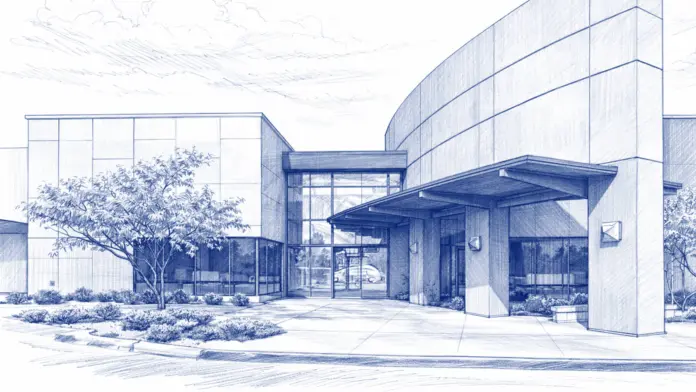
About Wey of Life Peer Recovery Center
Wey of Life Peer Recovery Center in Weymouth, Massachusetts offers free services to individuals and families affected by substance use disorders. The center provides a welcoming space where people can connect, build skills and access resources that support lasting recovery without financial barriers.
Family Support and Skills Training
Wey of Life specializes in family-centered recovery support. The core focus is on CRAFT (Community Reinforcement and Family Training) skills groups.
These small group programs are limited to 12 participants. They teach communication strategies and engagement techniques that help loved ones support someone struggling with addiction while maintaining their own wellbeing.
Sessions are offered in a hybrid format with both in-person and virtual options. The flexibility makes care accessible to families across the South Shore region.
The structured curriculum emphasizes building practical skills families can use immediately while empowering participants to shift relationship dynamics and encourage positive change in a compassionate, evidence-informed way.
Peer Recovery Support
Beyond family programming, Wey of Life offers peer-led support groups, one-on-one recovery coaching, and holistic wellness services including free acupuncture and meditation sessions. These complementary offerings provide a well-rounded support system for individuals at any stage of their recovery journey.
Wey of Life serves the Weymouth and South Shore community from its accessible location on Bridge Street in North Weymouth, with on-site parking and handicap accessibility.

Rehab Score
 Our Methodology


Location
Other Forms of Payment
 Free
FreeAddiction Treatments
Levels of Care
Telehealth in Massachusetts allows patients to receive care in one location from a specialist who is at a separate location. This allows the patient to save time and money on healthcare visits. The added convenience can make treatment more accessible.
Treatments
A person who has alcohol use disorder (alcoholism) builds up a physical tolerance to alcohol. If they try to stop drinking, they experience withdrawal symptoms. Treatment is available for this condition, through alcohol rehab in Massachusetts. Treatment options include AA, detox, counseling, medication, residential programs, and outpatient treatment. Social and family support systems are crucial during and after treatment of any kind.
 Opioid Addiction
Addiction is a highly complex problem, and drug rehab in Massachusetts is often necessary to address it. These programs treat physical, mental, and relational issues that are involved. Treatment empowers individuals to manage these issues without the use of drugs.
In Massachusetts, substance abuse treatment programs can help to address addiction and, if relevant, any co-occurring mental health conditions. Programs include outpatient, inpatient, dual-diagnosis, and partial hospitalization. You'll receive therapies like cognitive behavioral therapy, or dialectical behavioral therapy, and sometimes complementary therapies like acupuncture and mindfulness-based therapy. By attending skills training and recovery groups you'll build a strong foundation for your recovery and strengthen your support network, increasing your chances of long-term recovery success.
Mental health services are essential during treatment for drug and alcohol addiction, whether you receive treatment in an inpatient or outpatient setting. While receiving inpatient care, you can expect to have round-the-clock access to mental health therapists and medical staff. Additionally, you will likely receive a number of different therapies and mental health options like individual and group counseling, addiction and relapse prevention education, and coping skills training.
In Massachusetts, dual-diagnosis addiction treatment programs provide specialized care for individuals with co-occurring substance use disorders and mental health conditions. Levels of care include detox, residential drug and alcohol rehab, and outpatient programs. Each program and level of care includes a comprehensive assessment, individualized treatment plan, and evidence-based therapies, like cognitive behavioral therapy, or dialectical behavioral therapy. You'll also attend recovery support groups, receive family counseling, and beneficial skills training to help you promote your mental health and sustain long-term recovery.
Rehab.com regularly reviews this listing for accuracy but changes may occur between updates. For the most up-to-date information, please contact Wey of Life Peer Recovery Center.
Contact Information


383 Bridge St Unit 2, Weymouth, MA 02191
Sponsored Helpline


