





























































































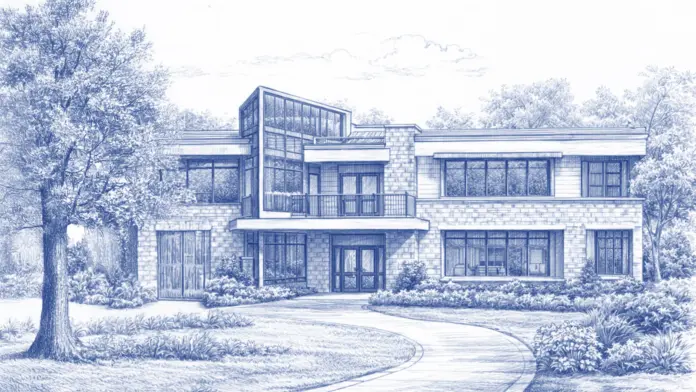
About Williamson Detox
Facility Overview
 5 - 7
5 - 7 
Rehab Score
 Our Methodology


Location
Accepted Insurance
Other Forms of Payment
Medicaid is a state based program that helps lower-income individuals and families pay for healthcare. Medicaid covers addiction treatment so those enrolled can use their coverage to pay for rehab. When a program accepts Medicaid the client often pays very little or nothing out of their own pocket.
Military members, veterans, and eligible dependents have access to specific insurance programs that help them get the care they need. TRICARE and VA insurance can help you access low cost or no cost addiction and mental health treatment. Programs that accept military insurance often have targeted treatment focused on the unique challenges military members, veterans, and their families face.
Private insurance refers to any kind of healthcare coverage that isn't from the state or federal government. This includes individual and family plans offered by an employer or purchased from the Insurance Marketplace. Every plan will have different requirements and out of pocket costs so be sure to get the full details before you start treatment.
Self-pay involves paying for treatment out of your own pocket. You can use savings or credit, get a personal loan, or receive help from family and friends to fund your treatment. If you don't have insurance or your insurance plan doesn't cover a specific program, self-pay can help ensure you still get the care you need.
Addiction Treatments
Levels of Care
Ridding your body of alcohol and drugs in a medically supervised environment is known as medically supervised detox. During this period of inpatient care, you are monitored by a team of medical professionals whose job it is to help keep you as safe and comfortable as possible while addressing any withdrawal symptoms. Medically supervised detox is typically the first step in the recovery process, and usually takes an average of 5-7 days.
Inpatient rehab provides a highly structured and supportive environment for clients at an increased risk of relapse, including clients exiting detox, those in early recovery, and those experiencing crisis. Many inpatient treatment centers offer round-the-clock clinical care. Their principal treatment modality is usually psychotherapy, including individual, group, and family counseling. Clients may also participate in extensive life skills training to support their long-term sobriety. Some rehabs offer holistic therapies, including massage, meditation, and nutrition therapy.
Clients receiving addiction treatment in an intensive outpatient program (IOP) typically have completed inpatient rehab or have chosen to forgo hospitalization following detox. The high-level care provided by intensive outpatient rehabs is particularly suited to clients in early recovery, those in crisis, and those at an elevated relapse risk. Clients engage in nine to 20 hours of treatment per week on average. Common services include psychotherapy, recovery education, holistic therapies, and medication assisted treatment (MAT).
Outpatient rehabs provide addiction treatment aligned with clients' unique schedule and evolving needs. Many programs offer evening, night, morning, and weekend services to accommodate clients who are working professionals or full-time caregivers. They also provide a full continuum of care, including psychotherapy, recovery-focused life skills training, and, for clients in alcohol and/or opioid recovery, medication assisted treatment (MAT).
Treatments
When a person is unable to control their drinking despite negative effects in their life, they are experiencing alcoholism (alcohol use disorder). Recovering from alcohol addiction typically requires professional intervention such as alcohol rehab in Nevada. This may occur in a residential program, intensive outpatient program, partial hospitalization program, or support groups. Recovery typically begins with detox and continues long after rehab with ongoing supports.
When you enter drug rehab in Nevada, you receive professional assistance to remove drugs from your body and cease your body's need for the substance. You learn coping strategies and receive support to prevent relapse and enjoy long-term sobriety.
 Opioid Addiction
Specialized substance abuse treatment in Nevada can support individuals who need help for substance abuse. Care levels include outpatient, inpatient, and partial hospitalization programs. By incorporating evidence-based therapies such as cognitive-behavioral therapy (CBT), dialectical behavior therapy (DBT), counseling, clinicians can help you to get to the root cause of your addiction and equip you with the tools to maintain your recovery.
Clinical Services
Substance abuse counselors may apply cognitive behavioral therapy in Nevada during individual, family, or group sessions. Using a goal oriented approach, the therapist will help participants change negative thinking and behavioral patterns to address substance use and related challenges.
If you're experiencing substance use disorder, dialectical behavior therapy in Nevada can help you reduce cravings, learn healthier ways to manage stress, and avoid situations that can lead to substance abuse. Treatment includes one on one sessions with your therapist as well as group sessions to practice the skills you're learning.
Accreditations

State Licenses are permits issued by government agencies that allow rehab organizations to conduct business legally within a certain geographical area. Typically, the kind of program a rehab facility offers, along with its physical location, determines which licenses are required to operate legally.
State License: Nevada
Rehab.com regularly reviews this listing for accuracy but changes may occur between updates. For the most up-to-date information, please contact Williamson Detox.
Contact Information


N Green Valley Pkwy, Henderson, NV 89014
Sponsored Helpline
