





























































































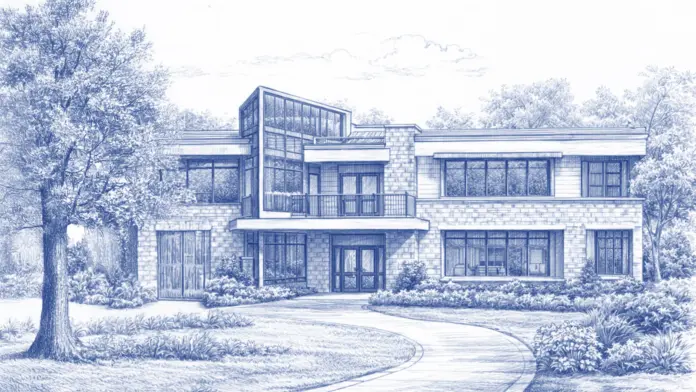
About Adult Addiction Clinic
Adult Addiction Clinic is a substance use treatment provider in Glen Burnie, Maryland offering outpatient care for adults navigating recovery. Clients benefit from a combination of counseling and group support with evidence based medication options.
As part of the Anne Arundel County Department of Health the clinic provides intensive outpatient and standard outpatient services, Medication Assisted Treatment, and support for co-occurring mental health conditions.
What kinds of addiction treatment does Adult Addiction Clinic offer?
The clinic provides intensive outpatient treatment and standard outpatient services for substance use disorders. Care counseling and Medication Assisted Treatment using FDA approved medications for opioid use disorders. Co-occurring mental health conditions are also addressed as part of treatment.
Who can get help here?
Adult Addiction Clinic serves adults 18 years and older welcoming both men and women. The clinic offers specialized gender specific and age specific programming and services are provided in English with interpretation available for other languages.
Do they take insurance or offer financial help?
Adult Addiction Clinic accepts Maryland Medicaid, Medicare, and CareFirst Insurance with fees based on insurance eligibility. A sliding scale based on family income is available and eligible Anne Arundel County residents may access the Opportunity for Recovery Fund.
Latest Reviews



Rehab Score
 Our Methodology


Location
Accepted Insurance
Other Forms of Payment
Financial aid can take many forms. Centers may have grants or scholarships available to clients who meet eligibility requirements. Programs that receive SAMHSA grants may have financial aid available for those who need treatment as well. Grants and scholarships can help you pai for treatment without having to repay.
Medicaid is a state based program that helps lower-income individuals and families pay for healthcare. Medicaid covers addiction treatment so those enrolled can use their coverage to pay for rehab. When a program accepts Medicaid the client often pays very little or nothing out of their own pocket.
Medicare is a federal program that provides health insurance for those 65 and older. It also serves people under 65 with chronic and disabling health challenges. To use Medicare for addiction treatment you need to find a program that accepts Medicare and is in network with your plan. Out of pocket costs and preauthorization requirements vary, so always check with your provider.
Sliding scale payments are based on a client's income and family size. The goal is to make treatment affordable to everyone. By taking these factors into account, addiction recovery care providers help ensure that your treatment does not become a financial burden to you or your family, eliminating one barrier to care.
Addiction Treatments
Levels of Care
Clients who are leaving inpatient rehab often choose to transition into an intensive outpatient program (IOP) to receive high-level support as they reintegrate into their home, workplace, and community. Intensive outpatient rehab also benefits those at risk of relapse. Clients typically participate in nine to 20 hours of treatment weekly, with modalities ranging from psychotherapy to addiction and recovery education. Many programs also provide medication assisted treatment (MAT) and complementary care, such as nutrition counseling, and acupuncture.
Clients who are exiting detox or intensive inpatient treatment often enroll in outpatient rehab programs to ensure a robust continuity of care. Outpatient programs allow clients to remain in or return to their homes and workplaces while continuing to receive treatment, which typically includes addiction counseling and recovery-focused life skills training. Clients in opioid and/or alcohol recovery may also receive medication assisted treatment (MAT), including medication induction and maintenance, at an outpatient facility.
Treatments
Alcohol use disorder (AUD), commonly referred to as alcoholism, can be classified as mild, moderate, or severe. Each category involves unhealthy patterns of alcohol consumption and can cause harmful effects. To treat alcohol addiction at any level, alcohol rehab in Maryland is often necessary. These treatment programs provide psychological, social, and medical supports that help individuals overcome alcohol addiction and maintain long-term recovery.
 Opioid Addiction
Once a person has become addicted to a substance, drug rehab in Maryland is often necessary to overcome that addiction. These programs provide the tools individuals need to manage the physical, mental, and emotional issues involved and begin a successful recovery journey.
In Maryland, substance abuse treatment programs support individuals struggling with drugs or alcohol, and those who also have mental health conditions. These rehab programs vary, depending on the level of care you need. That might include inpatient rehab, or an outpatient program. Typically, substance abuse treatment includes evidence-based therapies such as cognitive-behavioral therapy (CBT), dialectical behavior therapy (DBT), recovery support meetings, and skills groups to equip you with new coping strategies when you leave rehab.
Treatment for drug and alcohol addiction often centers on improving mental health. Inpatient care is ideal for people who need closer monitoring while receiving therapeutic and mental health services. Standard therapies include group and individual counseling, relapse prevention education, coping skills training, cognitive-behavioral therapy (CBT), motivational interviewing and family support groups. With all critical therapies combined, there is a greater chance for improving mental health and achieving sustained recovery.
Maryland's addiction experts understand the importance of dual-diagnosis addiction treatment in their inpatient and outpatient recovery programs. Dual-diagnosis means having two mental health disorders at the same time, like addiction and depression. By treating individuals with co-occurring substance use disorders and mental health conditions simultaneously, they can enhance recovery outcomes and improve overall health, reducing the risk of relapse. Programs include evidence-based therapies, family counseling, recovery support groups, and skills training. Additional services may include medically assisted detox, 12-Step facilitation, equine therapy, complementary treatments, and alumni programs.
Programs
Adult rehab programs include therapies tailored to each client's specific needs, goals, and recovery progress. They are tailored to the specific challenges adult clients may face, including family and work pressures and commitments. From inpatient and residential treatment to various levels of outpatient services, there are many options available. Some facilities also help adults work through co-occurring conditions, like anxiety, that can accompany addiction.
Clinical Services
Cognitive behavioral therapy in Maryland emphasizes your current life rather than what has happened in the past. Your therapist will help you develop methods to deal with current and future challenges so you can cope in healthy ways that don't involve substances.
Cognitive behavioral therapy and motivational interviewing techniques are often part of group therapy sessions. These are evidence based techniques that address thinking and behavioral patterns that trigger addictive behavior. Learning how to address these thought patterns can help create lasting change.
Individualized one on one therapy allows the therapist to focus on your specific challenges and strengths. Using a personalized approach enables the therapist to help you develop effective coping mechanisms and build a more stable and fulfilling substance free life.
Rehab.com regularly reviews this listing for accuracy but changes may occur between updates. For the most up-to-date information, please contact Adult Addiction Clinic.
Contact Information


122 N Langley Rd, Glen Burnie, MD 21060
Sponsored Helpline


